
Beautiful Plants For Your Interior
Beautiful Plants For Your Interior
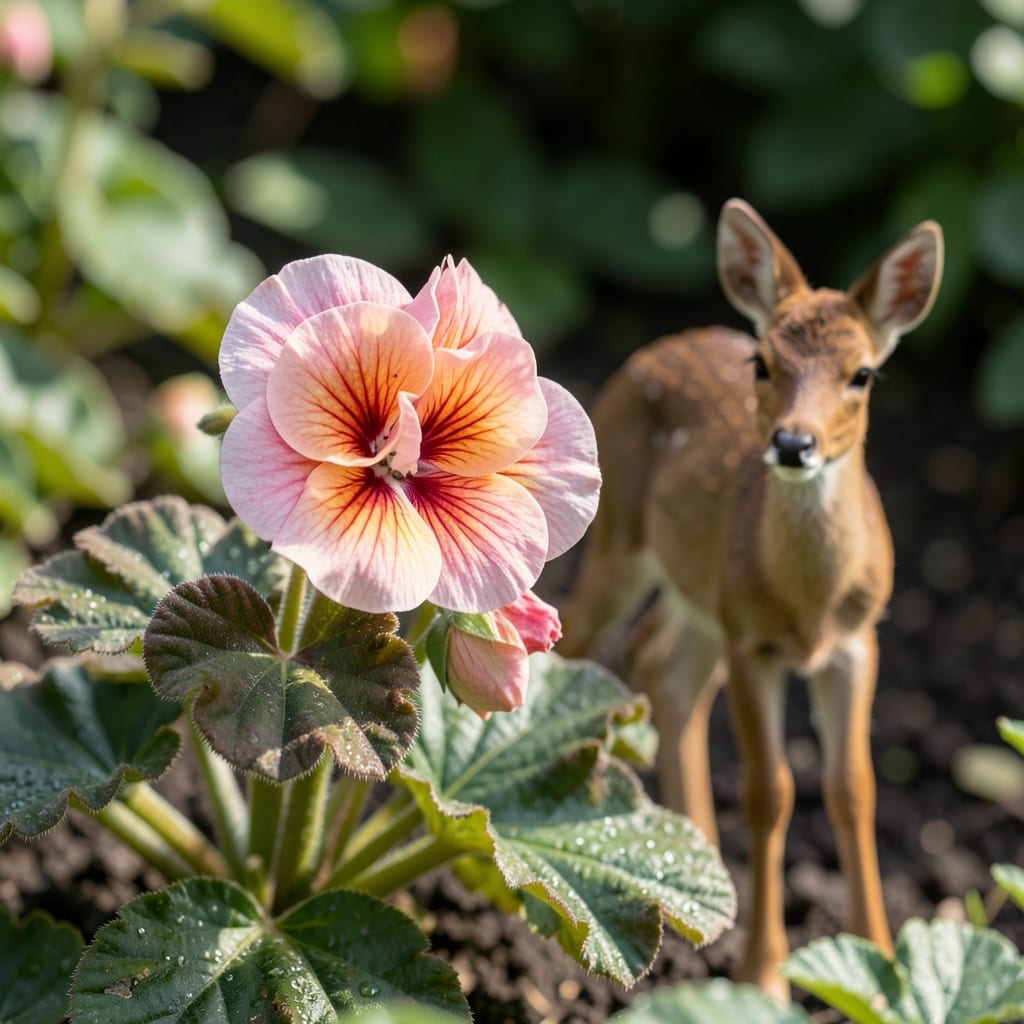
If deer are turning your garden into a buffet, you might be surprised to learn that Begonias 🌸 can be your secret weapon. These vibrant flowers aren’t just beautiful—they’re one of the few plants deer actively avoid.
I’ve watched too many gardeners struggle with deer damage, only to discover that the right plants can make all the difference. Begonias contain compounds that deer simply dislike, making them a natural deterrent.
Whether you’re protecting your prized roses or just want a low-maintenance solution, these flowers could be the answer. They thrive in Zone 6a and add color without the constant battle against wildlife.
Let me show you how to use them effectively and keep your garden looking its best, deer-free.
I’ve spent years battling deer in my garden, and begonias have become my go-to defense. These colorful plants contain oxalic acid, a compound that gives them a bitter taste deer can’t stand. It’s nature’s way of keeping them safe from grazing.
What’s fascinating is that deer rely heavily on smell to choose their meals. Begonias emit a subtle, unappealing scent that signals “stay away” to these hungry visitors. This makes them a natural deer repellent without any effort on your part.
| Deer-Resistant Feature | How It Works |
|---|---|
| Oxalic Acid | Creates a bitter taste deer dislike |
| Strong Scent | Acts as a natural deterrent via smell |
| Texture | Some varieties have fuzzy leaves deer avoid |
It’s not just begonias that deer avoid. Plants like lavender, marigolds, and rosemary share similar traits. These plants often have strong fragrances or textures that make them unappealing to deer, creating a protective barrier for your garden.
I’ve noticed that deer are creatures of habit. Once they learn that a particular plant tastes bad, they’ll avoid it—and often the surrounding area—entirely. This learned behavior works in your favor when you strategically place deer-resistant plants like begonias.
Another advantage is that begonias thrive in partial shade, making them perfect for those tricky spots where other plants struggle. This means you can create a deer-proof garden even in areas with limited sunlight.
If you’re dealing with persistent deer, consider combining begonias with other deterrents. For example, planting them alongside daffodils or Russian sage can enhance their effectiveness. diversity in your garden’s defenses keeps deer guessing.
I also recommend adding physical barriers like low fences for extra protection. While begonias do a great job on their own, layering your defenses ensures that deer won’t stand a chance at reaching your prized plants.
One thing to remember is that no plant is 100% deer-proof. In times of extreme hunger, deer might nibble on anything. But in my experience, begonias are about as close as you can get to a surefire deterrent. ☀️
Finally, if you’re planting begonias specifically for deer resistance, choose varieties like wax begonias or tuberous begonias. These are among the most effective at keeping deer at bay while adding vibrant color to your garden. 🌸
I’ve found that begonias work wonders as a natural deer barrier in gardens. Their bitter taste and toxic compounds make them unappealing to deer, so strategically planting them can protect more vulnerable plants nearby.
One of the simplest methods is creating a begonia border around your garden’s perimeter. This acts like a living fence that deer are reluctant to cross, keeping your prized roses or hostas safe from grazing.
For container barriers, I recommend using tuberous begonias in large pots near garden entrances. Their vibrant blooms add beauty while deterring deer from entering the space.
Another effective approach is interplanting begonias with other deer-resistant species like lavender or marigolds. This creates a layered defense that confuses and deters deer from finding their favorite snacks.
Remember that consistency matters—a few scattered begonias won’t be as effective as a concentrated planting. I’ve seen the best results when they’re placed in groups of at least 3-5 plants together.
Finally, combine this with other deer deterrents like motion-activated sprinklers for even better protection. This multi-layered approach ensures your garden stays lush and deer-free all season long. 🌸