
Beautiful Plants For Your Interior
Beautiful Plants For Your Interior
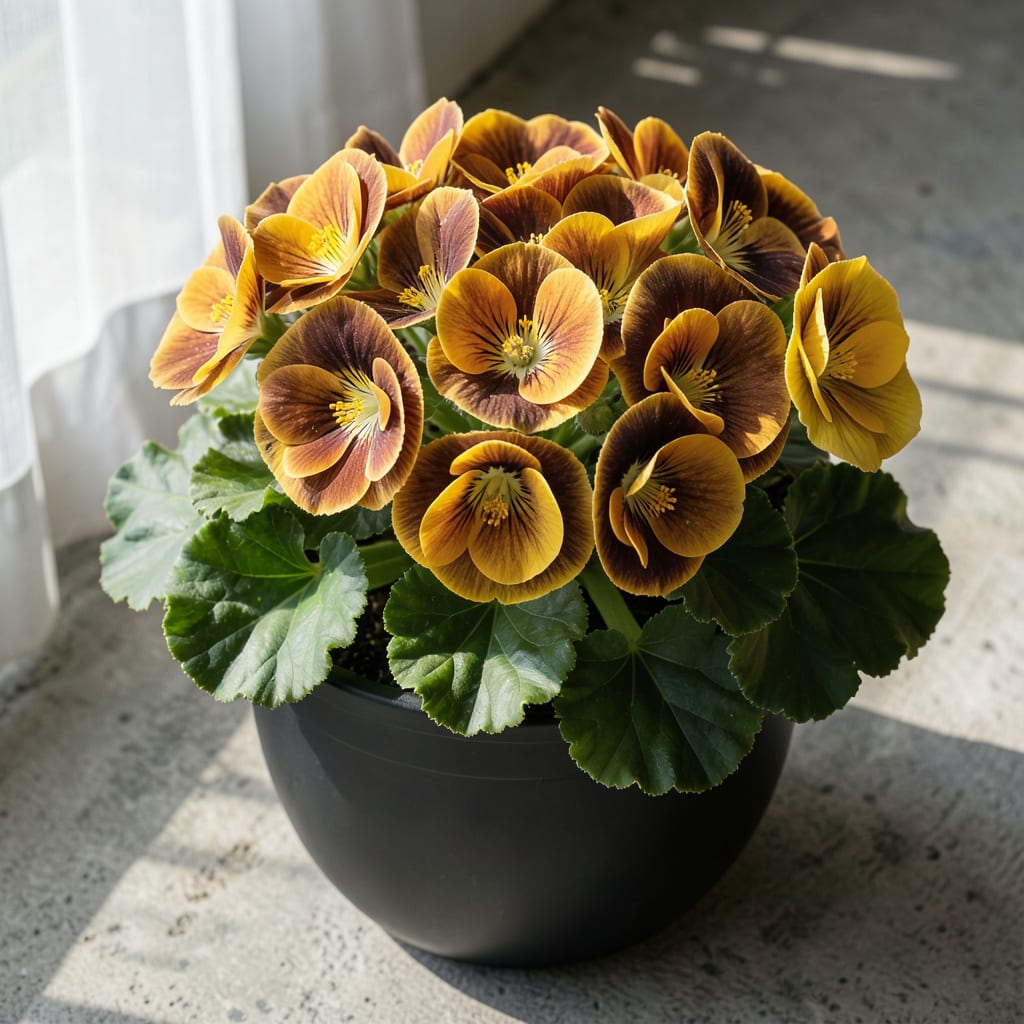
This begonia changed my summer garden game. Nonstop Mocca Yellow delivers exactly what its name promises—constant blooms in the brightest yellow that don’t quit until frost.
It’s a foolproof choice for containers or beds, thriving in partial shade with minimal fuss. The deep bronze foliage makes those yellow flowers pop even more, and it handles heat better than most begonias I’ve grown.
📚 In This Guide
Here’s the method I’ve refined over years for vibrant, continuous blooms in any garden setting.
Choose a site with partial shade to full shade, as these begonias thrive in filtered light. Direct afternoon sun will scorch their delicate foliage, so a north or east-facing exposure works best. The soil should be well-draining, rich in organic matter, and slightly acidic with a pH between 5.5 and 6.5.
If planting in containers, ensure pots have drainage holes and are at least 8-10 inches deep. I’ve found that shallow containers restrict root growth, leading to stunted plants and fewer blooms. Test drainage by filling the pot with water—it should empty within 10-15 minutes.
Amend the planting area with compost or well-rotted manure to improve fertility and drainage. Dig a hole twice as wide as the root ball but no deeper. Place the begonia in the hole, ensuring the top of the root ball sits ½ inch above the soil line to prevent rot.
Space plants 10-12 inches apart to allow for air circulation, which reduces the risk of fungal diseases. Water thoroughly after planting to settle the soil around the roots. Avoid wetting the foliage, as this can invite powdery mildew. I always use a watering can with a narrow spout for precision.
Keep the soil consistently moist but not soggy. Begonias are sensitive to both drought and overwatering. I check the soil daily by inserting my finger 1 inch deep—if it feels dry, it’s time to water. Early morning is the best time to water, as it allows foliage to dry before evening, reducing disease risk.
During extreme heat, you may need to water twice daily, but always let the top layer of soil dry slightly between waterings. Mulching with a 1-2 inch layer of organic material, like pine bark, helps retain moisture and regulate soil temperature.
Begin fertilizing 2-3 weeks after planting with a balanced, water-soluble fertilizer (10-10-10 or 20-20-20) diluted to half strength. I apply it every 2-4 weeks throughout the growing season. Over-fertilizing leads to lush foliage at the expense of flowers, so stick to the schedule.
For a more organic approach, use a slow-release fertilizer or compost tea. Watch for signs of nutrient deficiency, such as yellowing leaves, which often indicate a need for nitrogen. Adjust your feeding routine accordingly, but always err on the side of caution—begonias respond better to under- than over-feeding.
Remove spent blooms regularly to encourage continuous flowering. Simply pinch off faded flowers at the base of the stem. This redirects the plant’s energy toward producing new blooms rather than seeds. I make it a habit to deadhead every 3-4 days during peak blooming periods.
If the plant becomes leggy or overgrown, prune it back by one-third to promote bushier growth. Use clean, sharp pruners to avoid tearing the stems. After pruning, reduce watering slightly until new growth appears, usually within 7-10 days. This keeps the plant compact and floriferous.
These subtle adjustments will help you coax the most vibrant, long-lasting blooms from your plants.
Planting Precision: In Step 2, that ½ inch of root ball above soil line is non-negotiable. I learned this the hard way after losing several plants to rot. Even in well-draining soil, this small elevation prevents water from pooling at the stem base where it can cause fatal decay.
Drainage Test: For container planting in Step 1, don’t skip the 10-15 minute drainage test. Fill the pot completely with water and time how long it takes to empty through the holes. Anything over 15 minutes means your container is too shallow or the drainage holes are inadequate.
Watering Wisdom: The 1 inch deep finger test in Step 3 works perfectly, but here’s what nobody tells you—begonias often wilt dramatically when thirsty, then bounce back within hours of watering. Don’t panic and overwater when you see this temporary droop.
Pruning Timing: After pruning back by one-third in Step 5, that 7-10 day window for new growth is when you’ll see the magic happen. Reduce watering during this period, but don’t stop completely—the roots still need moisture to support the regrowth.
Water when the top inch of soil feels dry, typically every 5-7 days in moderate climates. Avoid overwatering—soggy soil can lead to root rot.
They thrive in partial shade or bright, indirect light. Too much direct sun can scorch the leaves, while low light reduces blooming.
Expect vibrant yellow flowers from late spring to frost. Deadheading spent blooms encourages continuous flowering.
Yes! They’re perfect for pots, hanging baskets, or window boxes. Ensure containers have drainage holes to prevent waterlogging.
Lack of light, over-fertilizing, or extreme temperatures may be the cause. Adjust care and ensure a balanced fertilizer (10-10-10) every 2-4 weeks.
