
Beautiful Plants For Your Interior
Beautiful Plants For Your Interior
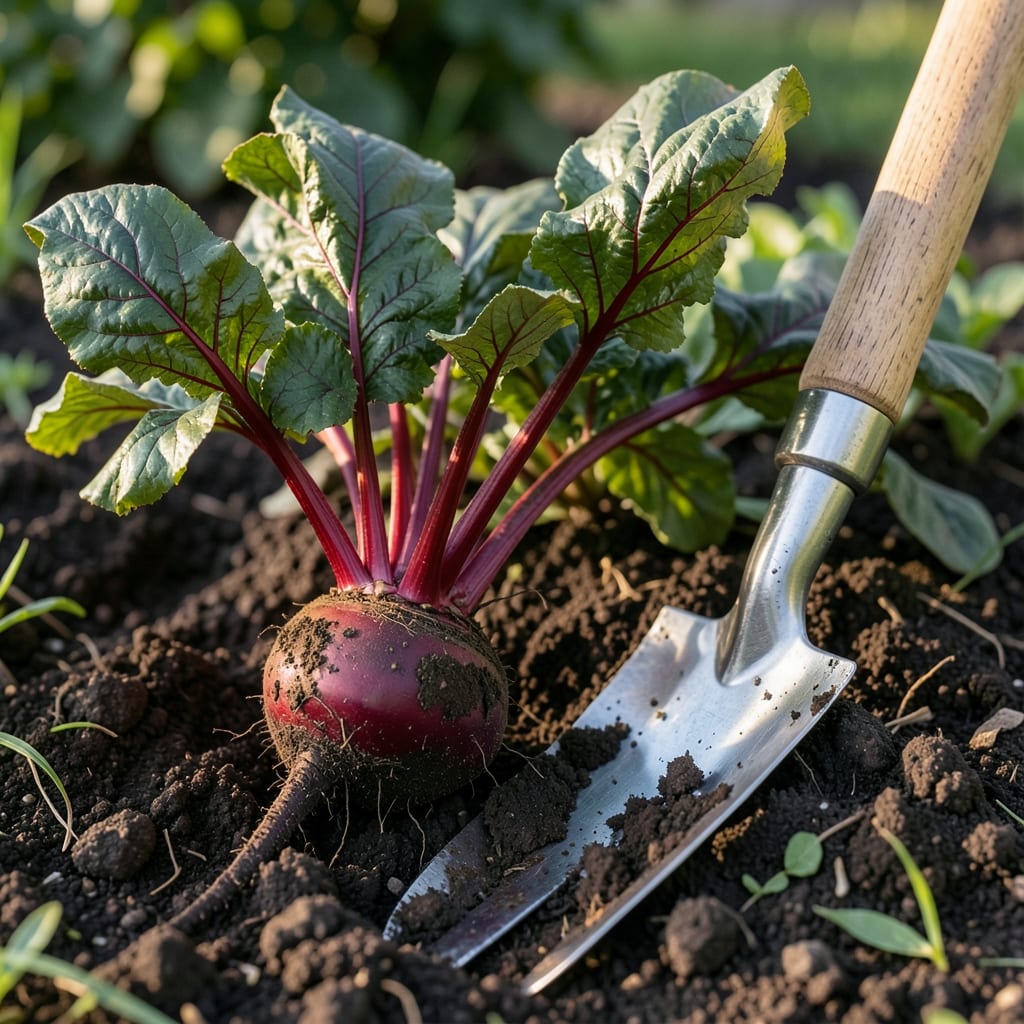
Red or pink urine after eating beets is usually harmless, caused by betalain pigments. It’s normal in 10-14% of people and fades within 48 hours. See a doctor if it persists or you have other symptoms.
I’ve seen this catch people off guard, but it’s just your body processing the vibrant compounds in beets. 🔥 The intensity can vary based on hydration levels and how much you ate. What’s fascinating is that this harmless effect only appears in some individuals due to differences in gut bacteria and stomach acidity.
💡 In This Article
The vibrant red or pink color in urine comes from betalain pigments, specifically betacyanins and betaxanthins, which give beets their deep hue. These water-soluble compounds are absorbed in the intestines and pass through the kidneys unchanged in some people. The body either breaks them down completely or excretes them, leading to colorful urine.
What determines visibility? Hydration levels play a role—more diluted urine may show a lighter pink, while concentrated urine can appear deeper red. 🔥 The acidity of your stomach also matters: higher acidity increases pigment breakdown, while lower acidity allows more to pass through. This is why the effect varies from person to person.
Only about 10-14% of the population experiences this phenomenon, known as beeturia. It’s more common in individuals with a genetic variation affecting pigment metabolism or those with iron deficiency. Gut bacteria also influence how these compounds are processed, adding another layer of variability.
Another factor is the amount consumed. Eating 1-2 cups of beets or drinking beet juice can trigger the effect, while smaller portions might not. The color typically appears within 2-24 hours after consumption and fades as the pigments are fully eliminated from the body.
Interestingly, cooking methods can alter pigment stability. Raw beets contain more intact betalains, while boiling may reduce their concentration by up to 25%. However, even cooked beets retain enough pigments to cause the effect in susceptible individuals. ✨
It typically appears within 2-24 hours after eating beets and fades completely within 48 hours. Staying hydrated helps flush the pigments out faster.
Only about 10-14% of people experience this due to differences in gut bacteria, stomach acidity, and genetic factors. Lower stomach acid allows more pigments to pass unchanged into urine.
Yes, beet juice often has a stronger effect because it’s more concentrated. Drinking 8-12 oz can produce noticeable color changes more reliably than eating whole beets.
Beet color is uniform and painless. Blood may appear with clots, cause discomfort, or persist beyond 48 hours. When in doubt, a simple urine test can confirm the cause.
Raw beets have more intact pigments, while boiling reduces them by up to 25%. However, even cooked beets can cause the effect in susceptible individuals.