
Beautiful Plants For Your Interior
Beautiful Plants For Your Interior
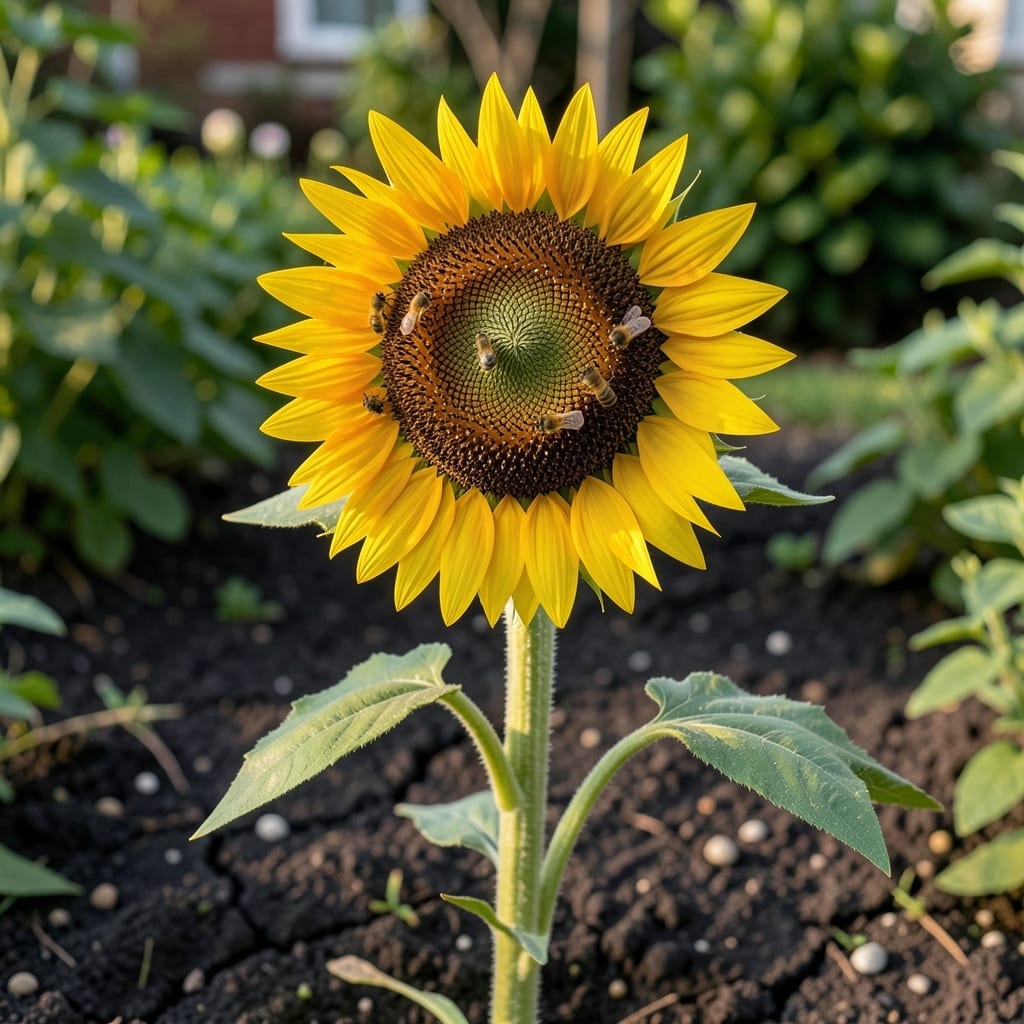
Bees sleep in flowers to conserve energy and stay safe from predators, often choosing blooms that close at night for protection. This behavior also aids pollination as they transfer pollen between flowers.
I find this adaptation fascinating because it shows how bees maximize efficiency in their environment. 🌟 By selecting enclosed blooms, they gain shelter from wind and cold while simultaneously helping plants reproduce. This mutual relationship highlights nature’s clever ways of solving multiple problems at once.
💡 In This Article
Bees select flowers for rest due to their unique biological needs. At night, their body temperature drops significantly, and enclosed blooms provide insulation, maintaining warmth. This reduces the energy required to regulate body heat, which can drop to 86-90°F when active. 🔥
Safety is another critical factor. Flowers like morning glories and lotus close at dusk, creating natural shelters. These structures hide bees from nocturnal predators like spiders and bats. The petals also block wind, reducing heat loss and physical stress on their bodies.
The texture of certain flowers matters too. Bees often choose blooms with dense, waxy petals that repel dew. This keeps them dry, as moisture can be fatal when temperatures drop below 50°F. Some species even prefer flowers with downward-facing positions to avoid rain accumulation. ✨
Research shows solitary bees, like mason bees, exhibit this behavior more than honeybees. Their smaller size makes them more vulnerable to temperature fluctuations. By nesting in flowers, they can survive nights when temperatures dip to 40°F without expending precious energy reserves.
This strategy also conserves the nectar they’ve collected. Instead of burning stored energy to stay warm, bees use the flower’s microclimate to maintain their metabolic needs. This efficiency allows them to resume pollination activities at dawn with full energy reserves. 💫
Solitary bees often lack permanent hives and use flowers for their natural protection. Enclosed blooms provide insulation against cold nights, maintaining warmth without expending energy. This is especially crucial for small species.
Mostly solitary bees like mason or leafcutter bees exhibit this behavior. Honeybees typically return to their hives. The smaller solitary bees benefit more from flower shelters due to their vulnerability to temperature changes.
Plant night-closing flowers like roses or tulips in clusters. Avoid pesticides on these blooms. Night-blooming varieties like moonflowers are ideal as they provide shelter when most others are closed.
Bees choose flowers with dense, waxy petals that repel dew. Downward-facing blooms prevent water accumulation. These adaptations keep them dry even in light rain or heavy dew.