
Beautiful Plants For Your Interior
Beautiful Plants For Your Interior
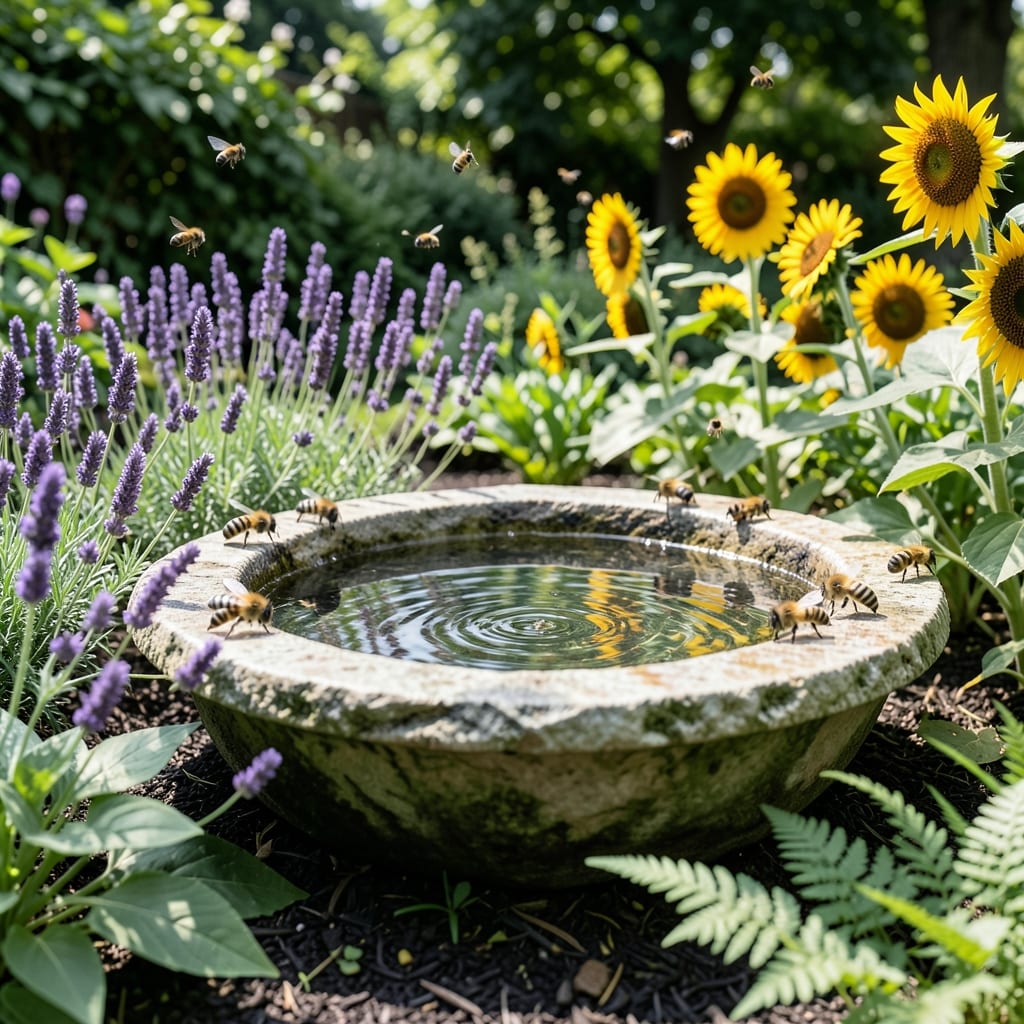
Bees are drawn to bird baths for water, especially in hot weather. They use it to drink and cool their hives, but too many can deter birds.
I’ve noticed bees treat shallow water sources like lifelines during dry spells. They collect water droplets to regulate hive temperature and feed larvae, often forming visible clusters at the edges. What’s fascinating is their preference for moving or textured surfaces, which help prevent drowning while they drink. 🔥
This behavior peaks in summer when natural sources dry up, making your bird bath a hotspot. 💫
💡 In This Article
Bees require water for more than just drinking—they use it to dilute stored honey, feed larvae, and regulate hive humidity. A single colony can consume up to 1 gallon of water daily in peak summer. Bird baths offer an accessible oasis, especially when natural sources like puddles or streams vanish during droughts. 🔥
The texture of your bird bath matters too. Bees prefer rough or pebbled surfaces where they can grip safely while drinking. Smooth, steep-sided baths force bees to hover precariously, increasing drowning risks. Shallow edges (0.5-1 inch deep) are ideal, mimicking the natural puddles they evolved to use. ✨
Temperature also drives this behavior. On days above 85°F, bees actively seek water to cool hives through evaporation. They collect droplets, carry them back in their crop, and distribute them across comb surfaces. The fanning of wings then accelerates evaporation, dropping internal temperatures by 10-15°F. 💫
What’s less obvious is their communication about water sources. Scout bees perform “water dances” similar to waggle dances for flowers, directing foragers to reliable sources. Your bird bath may become a marked location if it consistently offers clean, accessible water. This efficiency explains why numbers can swell dramatically within 24-48 hours of discovery. ⚡
Bees are particularly drawn to moving water, as it signals freshness. The gentle ripples from a dripping faucet or bird splash can attract 3-5 times more bees than still water. This preference likely evolved to avoid stagnant, contaminated sources in nature.
Bees need water to dilute honey, feed larvae, and cool their hives. A single colony can use up to 1 gallon daily in summer. Your bird bath becomes a lifeline when natural sources dry up.
Add floating corks or pebbles to give them landing spots. This prevents drowning while letting birds drink too. Shallow edges (0.5-1 inch deep) work best.
Only if the water is overcrowded. Try placing a separate bee water station with stones 10-15 feet away. This keeps both species happy.
Bees are most active on hot afternoons above 85°F. They collect water midday to cool hives, so you’ll likely spot them between 11 AM and 3 PM.