
Beautiful Plants For Your Interior
Beautiful Plants For Your Interior
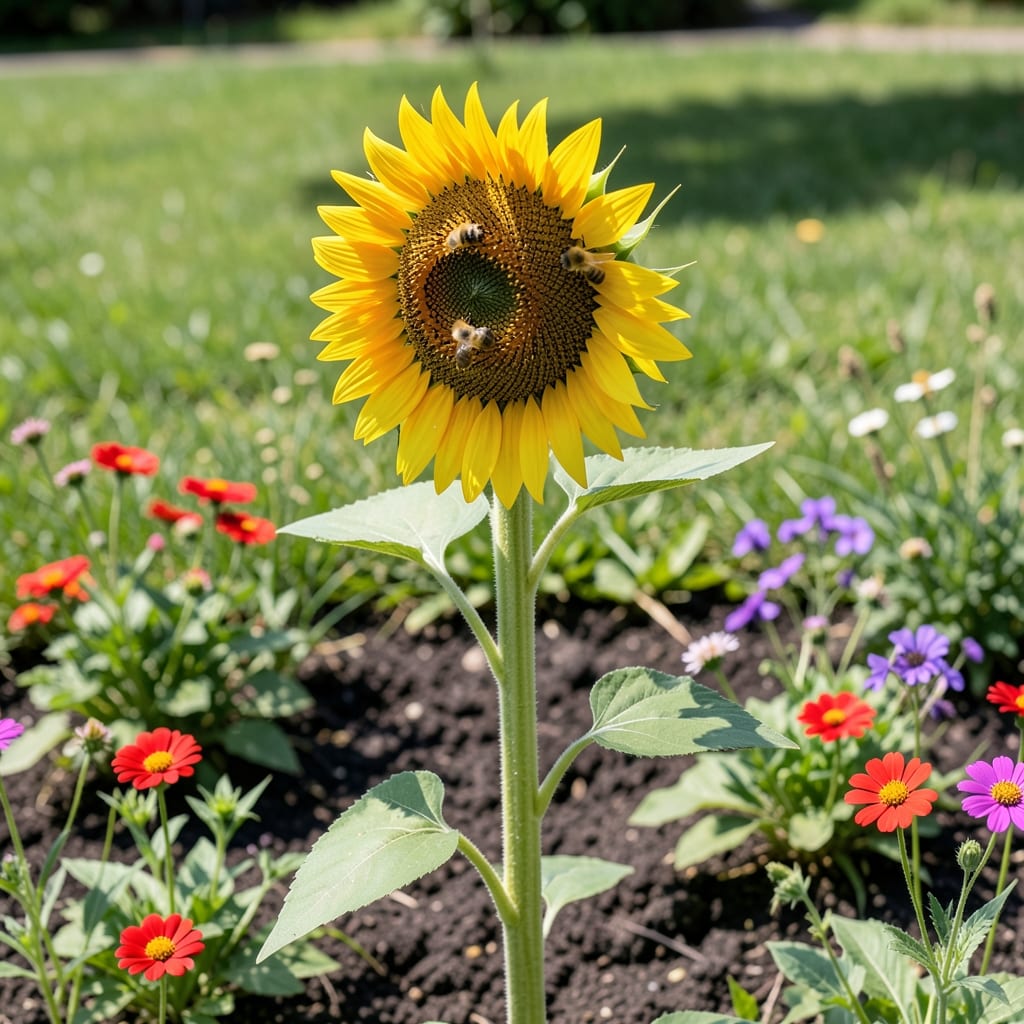
Bees sometimes sleep in flowers to conserve energy, especially when far from their hive. This behavior helps them stay safe and rest during long foraging trips.
I find this fascinating because flowers provide the perfect shelter—petals shield them from wind while their position deters predators. 💫 This energy-saving strategy lets bees wake up refreshed and ready to resume pollinating without wasting precious resources flying back to the hive. It’s nature’s way of maximizing efficiency for these tiny but vital workers.
💡 In This Article
Bees often rest in flowers due to their unique biology. Unlike humans, bees don’t sleep in a deep, continuous cycle. Instead, they take short 5-minute power naps to conserve energy. This is especially critical when they’re on long foraging trips, as flying consumes a lot of their energy reserves. 🔥
Flowers provide an ideal shelter for these brief rests. The petals offer protection from wind and rain, while the bee’s position—often deep within the flower—hides them from predators like birds or spiders. Some flowers, like morning glories, even close at night, creating a natural, safe haven for sleeping bees.
The timing of these naps is strategic. Bees typically rest during cooler parts of the day, such as early morning or late evening, when flower nectar is less accessible. This allows them to recharge and be ready to forage when nectar flow is at its peak, usually between 10 AM and 3 PM. ✨
Another factor is energy efficiency. Flying just 5 miles can exhaust a bee’s energy reserves, so resting in flowers helps them avoid the long trip back to the hive. This behavior is particularly common in solitary bees, which don’t have the support of a hive to return to for rest and refueling.
This resting strategy also benefits the flowers. As bees move from flower to flower, they transfer pollen, aiding in plant reproduction. By resting within the flowers, bees ensure they’re in the right place to continue this vital work as soon as they wake up. 💫
Bees usually take short 5-minute power naps to conserve energy. These brief rests help them recharge during long foraging trips without wasting time flying back to their hive.
Flowers with deep, protective petals like roses, lilies, or morning glories work best. These provide shelter from wind and predators while keeping bees safe and hidden.
Yes! Solitary bees rest in flowers more often because they lack a hive to return to. Honeybees, with hive support, are less likely to nap in flowers but may still do so during long trips.
Bees typically rest during cooler periods like early morning or late evening. This aligns with lower nectar availability, letting them recharge for peak foraging between 10 AM and 3 PM.