
Beautiful Plants For Your Interior
Beautiful Plants For Your Interior
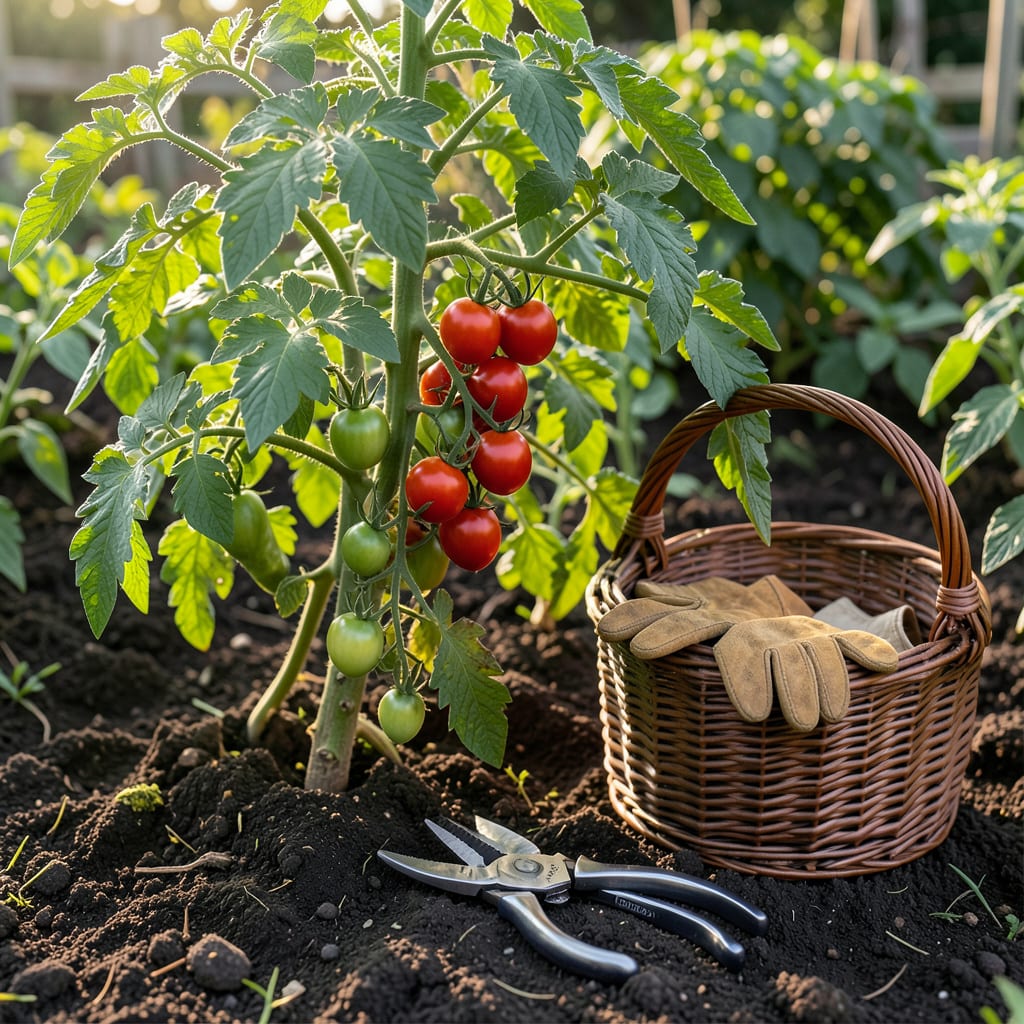
I used to stare at my 🌱 General Harvest-Ready Plants wondering if today was the day. Timing is everything when it comes to picking at peak ripeness.
Discover the subtle visual cues that tell you your crops are ready. No more guessing—just faster, more confident harvesting.


I remember checking my tomato plants daily, searching for that first hint of red. The most reliable sign your crops are becoming ready to harvest is often a color shift. For most fruits and veggies, this means moving from green to their mature hue.
But color isn’t the only indicator. I’ve learned that texture changes are just as important. A firm touch or a slight give when gently squeezed can confirm ripeness, especially for items like avocados and melons.
| Plant Type | Visual Cue | Example |
|---|---|---|
| Fruits | Color deepens | Tomatoes turn red |
| Vegetables | Firm to touch | Cucumbers feel solid |
| Leafy Greens | Full-sized leaves | Lettuce heads compact |
| Root Veggies | Shoulders visible | Carrots poke above soil |
Another telltale sign is size development. I always compare my squash and peppers to their expected mature dimensions. If they’ve reached the size listed on the seed packet, they’re likely ready.
For herbs like basil and cilantro, I look for flower bud formation. Once buds appear, it’s time to harvest to prevent bolting and maintain the best flavor.
The ease of separation from the plant can also signal readiness. I’ve found that berries and peas often detach with minimal effort when they’re at peak ripeness.
Don’t overlook the stem either. A drying or browning stem at the base of pumpkins or winter squash indicates they’re ready to come off the vine.
I also pay attention to the glossiness of the skin. A shiny surface on eggplants or peppers often means they’re perfectly ripe and full of flavor.
For root vegetables like beets and radishes, I check the shoulders. When the top of the root becomes visible above the soil, it’s a clear sign they’re ready to pull.
Finally, I recommend keeping a harvest journal. Noting the days to maturity and observing daily changes helps me fine-tune my timing for each crop in my garden 🌱
I’ve made my share of mistakes when determining if plants are becoming ready to harvest. One of the biggest is harvesting too early. Picking tomatoes or peppers before they’ve fully colored often means sacrificing flavor and texture.
Another common error is ignoring weather conditions. I once harvested my basil right before a cold snap, only to watch the remaining plants suffer. Always check the forecast before picking.
⚠️ Warning: Avoid These Harvest Pitfalls
Harvesting too early or too late can ruin your crop. Always double-check visual cues like color, size, and texture before picking. Don’t let eager hands or procrastination cost you the perfect harvest.
I’ve also learned not to misjudge uniformity in crop maturity. Just because one zucchini looks ready doesn’t mean the entire plant is. I inspect each fruit individually to avoid disappointment.
Overlooking the stem is another mistake I’ve made. For crops like pumpkins, the stem should be dry and woody before harvesting. A green stem often means the fruit isn’t ready yet.
I used to think that bigger always means better, but that’s not true for all plants. Some vegetables, like cucumbers, become bitter if left on the vine too long. Stick to the recommended size for the best flavor.
Finally, I recommend not harvesting in wet conditions. Picking strawberries or leafy greens when they’re damp can lead to mold or rot. Always wait for dry weather to ensure your harvest stays fresh longer.
By avoiding these common mistakes, I’ve improved my harvest timing and enjoy better-tasting produce every season 🌱
I’ve found that different plant types show unique readiness signs as they’re becoming ready to harvest. Leafy greens like lettuce and spinach are best picked when leaves are full-sized but still tender, before they turn bitter.
Root vegetables such as carrots and beets reveal their shoulders above soil, signaling it’s time to pull. I check the diameter against the seed packet’s mature size for confirmation.
For fruiting plants like tomatoes and peppers, I wait for a uniform color change and a slight softness when gently pressed. A glossy skin often indicates peak ripeness for items like eggplants.
Herbs require a different approach. I harvest basil and cilantro just as flower buds form, but before they bloom. This keeps the leaves flavorful and prevents the plant from going to seed.
With pod-producing plants like beans and peas, I look for firm, plump pods. For dried beans, I wait until the pods turn yellow or brown and the seeds rattle inside when shaken.
By tailoring my approach to each plant type, I ensure every crop is picked at its absolute best 🌱
Look for a deep, uniform color and slightly soft texture when gently pressed. The skin should also appear glossy, signaling peak ripeness.
Picking before full maturity often results in bland flavor and poor texture. Fruits and veggies may also fail to ripen properly off the plant.
Morning harvesting preserves crispness and flavor, as produce is most hydrated after cool nights. This is especially true for leafy greens and herbs.
Size is a good indicator but should be combined with color and texture checks. Always refer to the seed packet for expected mature dimensions.
