
Beautiful Plants For Your Interior
Beautiful Plants For Your Interior
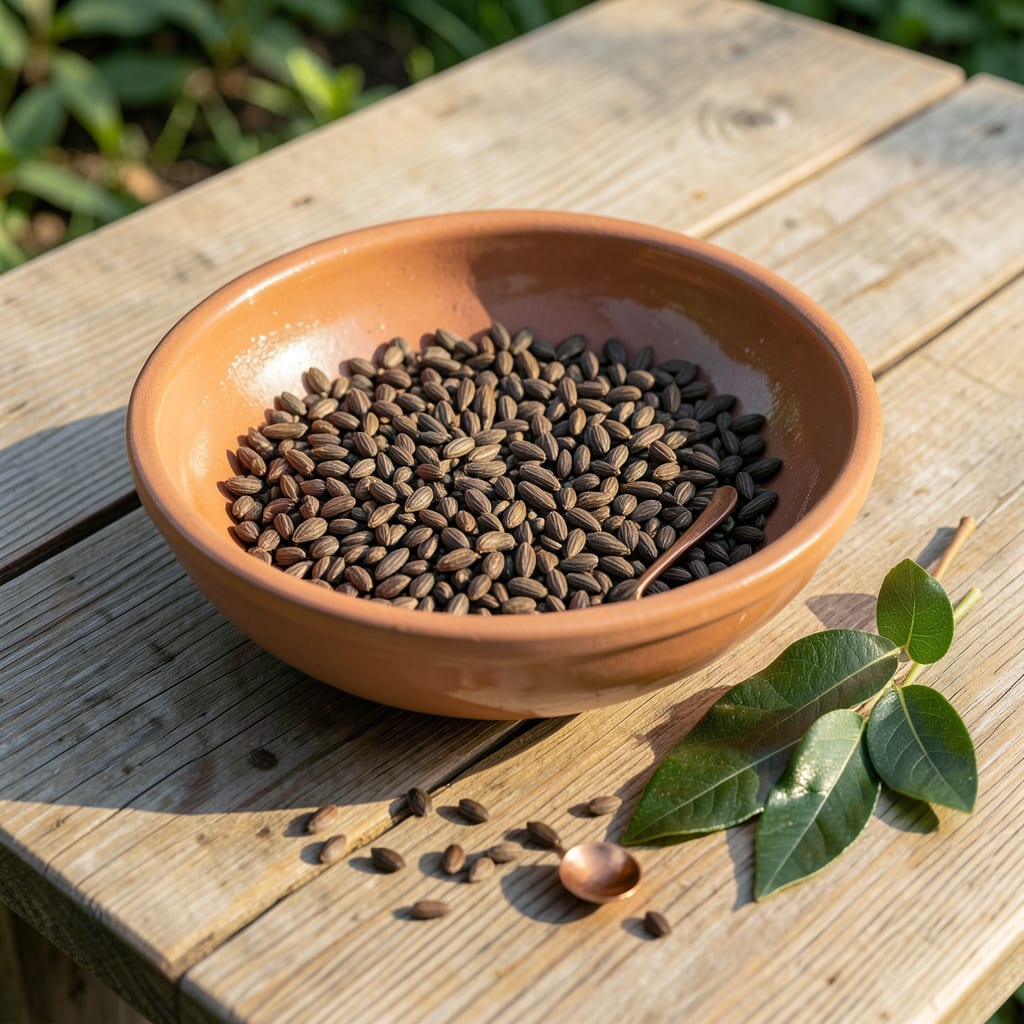
Starting a bay laurel from seed tests your patience—it took mine 6 months to sprout. The wait feels endless, but the reward is a fragrant, evergreen tree that lasts decades.
I killed my first batch by overwatering. The trick is consistent moisture without soggy soil, plus warmth and light once they finally break through. You’ll get a healthy, slow-growing tree that handles pruning like a champ.
📚 In This Guide
Here’s the method I use to get strong, viable bay laurel seedlings every time.
Bay laurel seeds have a tough outer coating that slows germination. Cold stratification mimics natural winter conditions. Place seeds in a sealed plastic bag with a lightly damp paper towel and refrigerate for 30-40 days. This softens the seed coat and signals the embryo it’s time to grow.
Check weekly for mold—if the towel dries out, mist it lightly. You’ll know stratification is working when the seed coat swells slightly. Don’t rush this step; skipping it often results in poor or delayed germination rates.
Use a well-draining seed-starting mix with added perlite to prevent compaction. Fill small pots or seed trays to within ½ inch of the rim. Bay laurel roots resent disturbance, so individual containers work better than communal trays.
Pre-moisten the mix until it holds shape when squeezed but doesn’t drip. The ideal texture feels like a wrung-out sponge. Tap the container to settle the medium, creating a level surface for planting. This ensures even contact between seed and soil for consistent moisture uptake.
Plant stratified seeds ¼ to ½ inch deep—no deeper, as they need light to trigger germination. Space seeds 2 inches apart if using a tray, or one per small pot. Cover lightly with mix and mist the surface until evenly damp.
Place containers in a warm location with consistent 70-75°F temperatures. A seedling heat mat speeds up the process, with germination typically occurring in 2-4 weeks. Keep the mix moist but not soggy; water from below to avoid dislodging seeds.
Once sprouts emerge, move them to bright, indirect light. Avoid direct sun at this stage, which can scorch tender seedlings. 12-14 hours of light daily under a grow light or near an east-facing window works best for compact, sturdy growth.
Maintain humidity by covering trays with a clear lid or plastic wrap until the first true leaves appear. Remove the cover at that point to prevent fungal issues. You’ll see the difference between cotyledons and true leaves—true leaves resemble miniature bay laurel foliage.
When seedlings develop 2-3 sets of true leaves, thin to the strongest plant per container. Use sharp scissors to snip unwanted seedlings at soil level—pulling can damage the remaining roots. Begin fertilizing with a diluted liquid fertilizer at half strength every 2-3 weeks.
Harden off seedlings by gradually introducing outdoor conditions over 7-10 days before transplanting. Bay laurel thrives in full sun to partial shade once established. The seedlings are ready when they’re 4-6 inches tall with robust root systems visible through drainage holes.
These small adjustments make a world of difference in germination success.
The Stratification Secret: That 30-40 day cold period in Step 1 isn’t just waiting time—it’s breaking the seed’s natural dormancy. I’ve found that seeds stratified closer to 40 days tend to sprout more uniformly. Don’t be tempted to cut this short, as the seed coat needs this full duration to soften properly.
Temperature Matters: The 70-75°F range mentioned in Step 3 is critical. I use a seedling heat mat to maintain consistent warmth, especially in cooler homes. If your space runs cooler than 70°F, germination may take longer than the typical 2-4 weeks.
Light Discipline: In Step 4, that 12-14 hours of daily light is non-negotiable for compact growth. I learned the hard way that seedlings under direct sunlight too soon develop weak stems. An east-facing window or grow light setup works perfectly.
Thinning Strategy: When you reach Step 5 and see those 2-3 sets of true leaves, be ruthless with thinning. I know it’s tough to sacrifice seedlings, but crowding leads to weak plants. Always use scissors rather than pulling to protect the remaining roots.
Bay leaf seeds typically germinate in 3–6 weeks under ideal conditions (warmth, moisture, and indirect light). Patience is key—some may take up to 3 months! Keep the soil consistently damp but not soggy.
No, store-bought dried bay leaves won’t sprout—they’re not viable seeds. You’ll need fresh seeds from a Laurus nobilis tree or a trusted nursery for successful germination.
Use a well-draining mix of potting soil and perlite or sand (50/50 ratio). This prevents waterlogging, which can rot the seeds. A light, airy medium encourages healthy root growth.
Common issues: old seeds, cold temps, or overwatering. Ensure seeds are fresh, keep soil at 70–80°F, and maintain even moisture. If mold appears, reduce water and improve airflow.
Yes! Propagate from cuttings (semi-hardwood in summer) or buy a young plant. These methods are faster and more reliable than seeds, which can be finicky.
