
Beautiful Plants For Your Interior
Beautiful Plants For Your Interior
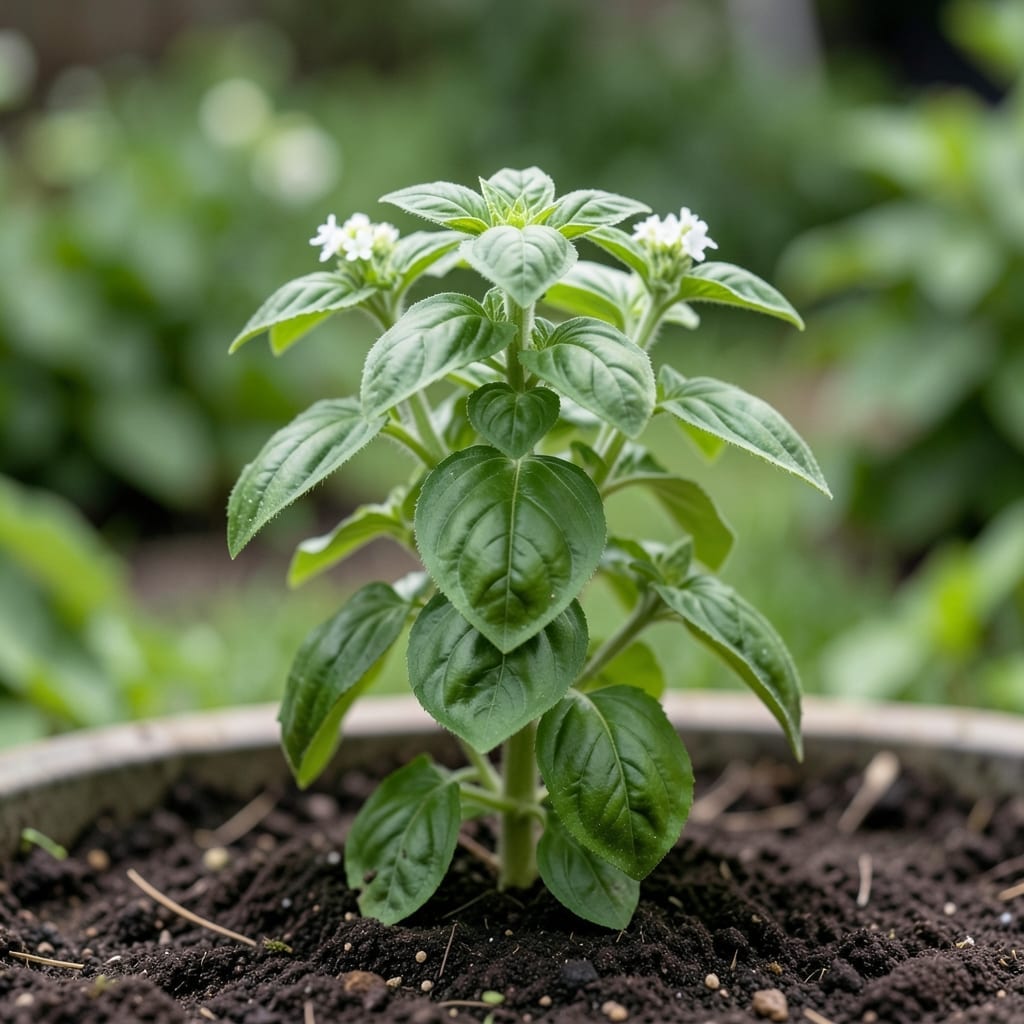
Basil thrives outdoors in temperatures between 70-90°F, with a minimum of 50°F at night. Frost will kill the plant, so avoid exposure below freezing.
I’ve found this herb grows best when daytime warmth matches its Mediterranean origins, while cooler nights help maintain its vibrant flavor. 🔥 The key is consistency—sudden temperature swings can stress the plant, leading to wilting or stunted growth. For best results, I monitor forecasts closely and bring potted basil indoors when overnight lows dip below 50°F. ✨
💡 In This Article
Basil’s growth hinges on enzyme activity that peaks between 70-85°F. At these temperatures, chlorophyll production accelerates, boosting photosynthesis by up to 50% compared to cooler conditions. The plant’s vascular system also works optimally, pulling water and nutrients from soil more efficiently. 🔥
When mercury rises above 90°F, basil shifts into survival mode. Stomata (tiny leaf pores) close to conserve water, but this also blocks carbon dioxide intake, slowing growth. Leaves may develop scorch marks from excess transpiration. Meanwhile, below 50°F, cellular membranes become less fluid, reducing nutrient transport.
Temperature extremes trigger stress responses. Heat causes wilting and premature flowering (bolting), while cold snaps below 32°F rupture cell walls, turning leaves black. Even 40-50°F nights can stunt growth by 30-40% as metabolic processes grind to a halt. The plant’s signature aroma fades too, as volatile oil production drops.
Soil temperature matters just as much. Basil roots thrive at 60-70°F, absorbing water and minerals most effectively. In cooler soil (55°F), root development slows, limiting the plant’s ability to support leaf growth. Mulching with dark organic matter can raise soil temps by 5-10°F during cooler periods. ✨
This Mediterranean native evolved in a climate with warm days and mild nights. Its ideal range mimics these conditions, allowing for rapid cell division in stems and leaves. When temperatures stay consistently in the 70-85°F zone, basil can grow 1-2 inches per week under proper care. 💫
Below 50°F, growth slows dramatically. At 32°F, cell damage occurs, turning leaves black and killing the plant. Even 40-50°F nights can reduce growth by 30-40%.
Above 90°F, basil enters survival mode, closing leaf pores to retain water. This slows growth and may cause leaf scorch. Provide afternoon shade to protect it.
Use row covers for cold nights and shade cloths for hot days. Container growing lets you move plants to optimal spots quickly.
Transplant after the last frost when soil reaches 60°F. Harden off seedlings over 7-10 days for best results.