
Beautiful Plants For Your Interior
Beautiful Plants For Your Interior
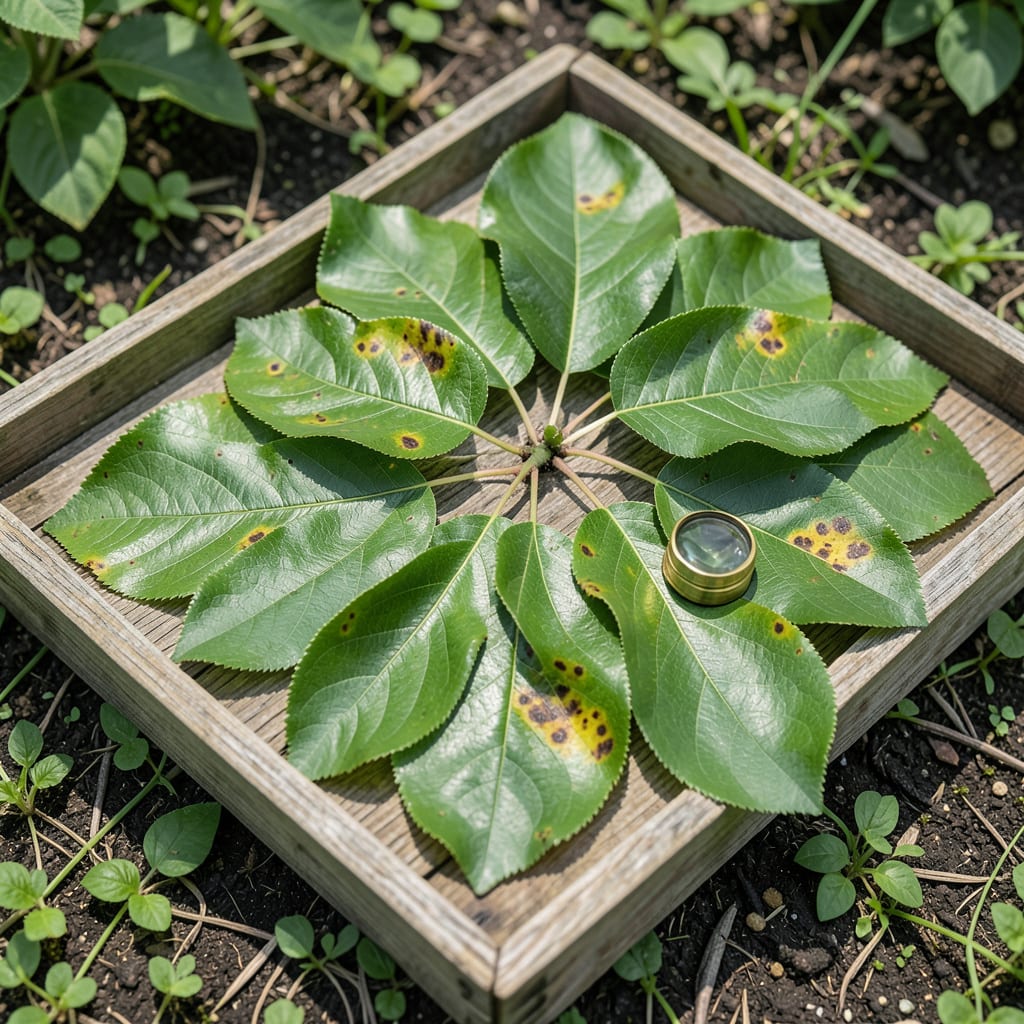
Bartlett pear tree leaves tell you exactly what your tree needs. I’ve learned to spot the early warning signs—yellowing edges, dark spots, or curled tips—before problems spread.
Most issues come down to 3 common culprits: pests, disease, or nutrient gaps. Fix them early and your tree bounces back with healthy green growth by next season.
📚 In This Guide
Here’s my reliable process for identifying and correcting leaf issues before they harm your tree.
Start by checking the upper and lower leaf surfaces for discoloration. Yellowing between veins often signals iron deficiency, while dark spots with yellow halos typically indicate fungal infections like fabraea leaf spot. I use a hand lens to inspect tiny details—early detection prevents widespread damage.
Note the pattern distribution too. If discoloration appears uniformly across the canopy, suspect systemic issues like nutrient deficiency. When problems localize to one branch, it’s often a localized pest infestation or physical damage from equipment or weather.
Run your fingers along the leaf edges and surfaces feeling for raised bumps, sticky residue, or chewed areas. Pear psylla leaves white honeydew deposits that attract sooty mold, while codling moth larvae create small entry holes. I’ve found most pests congregate on undersides, so flip leaves carefully.
Look for webbing between leaves or along stems—this confirms spider mite activity. Also check for curled or distorted leaves, which often result from aphid feeding. The earlier you catch these signs, the more effective your treatment will be.
Evaluate your watering practices. Overhead irrigation creates perfect conditions for fungal diseases to develop, while drought stress causes leaf scorch—brown, crispy edges. Bartlett pears prefer consistent moisture, so I recommend drip irrigation positioned at the root zone.
Consider recent weather patterns. Late spring frosts often damage new growth, resulting in blackened, wilted leaves. High humidity periods favor powdery mildew development, which appears as white, powdery coatings on leaf surfaces. Note these conditions when symptoms appear.
For suspected nutrient deficiencies, conduct a soil test. Iron chlorosis typically requires chelated iron applications, while nitrogen deficiency benefits from balanced fertilizer. I apply treatments at the first sign of trouble—waiting allows problems to intensify.
For pests, begin with horticultural oil or insecticidal soap applications, focusing on leaf undersides. For fungal issues, remove and destroy affected leaves, then apply appropriate fungicides. Always follow label rates and timing—this prevents resistance and protects beneficial insects.
Maintain good airflow through proper pruning, which reduces humidity and fungal spore germination. I thin branches annually to create an open canopy structure. This also improves spray coverage for preventive treatments.
Apply a dormant oil spray in early spring before bud break to smother overwintering pests. Regularly remove fallen leaves and debris from around the tree—this eliminates hiding places for pests and disease organisms. Consistent monitoring catches new issues before they become serious problems.
Small details in your inspection process can mean the difference between early intervention and widespread damage.
The Inspection Method: Always examine both upper and lower leaf surfaces as outlined in Step 1. I’ve found that using a hand lens reveals early signs of fabraea leaf spot that are invisible to the naked eye, giving you a crucial head start on treatment.
Pest Location Insight: In Step 2, focus your attention on leaf undersides where most pests congregate. The white honeydew deposits from pear psylla or the fine webbing of spider mites are often missed when only checking the top surfaces.
Watering Wisdom: Step 3’s advice about avoiding overhead irrigation is critical. I learned this the hard way after losing several branches to fungal diseases that thrived in consistently wet foliage. Drip irrigation at the root zone maintains moisture without creating disease-friendly conditions.
Prevention Priority: Don’t underestimate the power of Step 5’s preventive measures. Annual pruning for airflow and early spring dormant oil applications have reduced my pest problems by over 70%. The key is consistency—skipping even one year can allow problems to establish.
Yellowing leaves often signal overwatering, nutrient deficiencies (like nitrogen), or poor drainage. Check soil moisture and consider a balanced fertilizer. If the issue persists, test soil pH—Bartlett pears prefer slightly acidic to neutral (6.0–7.0).
Leaves usually turn golden-yellow in early to mid-fall, around September or October, depending on your climate. Cooler temperatures trigger chlorophyll breakdown, revealing vibrant autumn hues.
Watch for pear psylla, aphids, and codling moths. Psylla causes honeydew and sooty mold, while aphids curl leaves. Use horticultural oil or neem oil for organic control, and prune infested branches promptly.
Yes! Leaves decompose well and add organic matter to compost. Shred them first to speed up the process. Avoid diseased leaves, as they can spread pathogens to your compost pile.
