
Beautiful Plants For Your Interior
Beautiful Plants For Your Interior
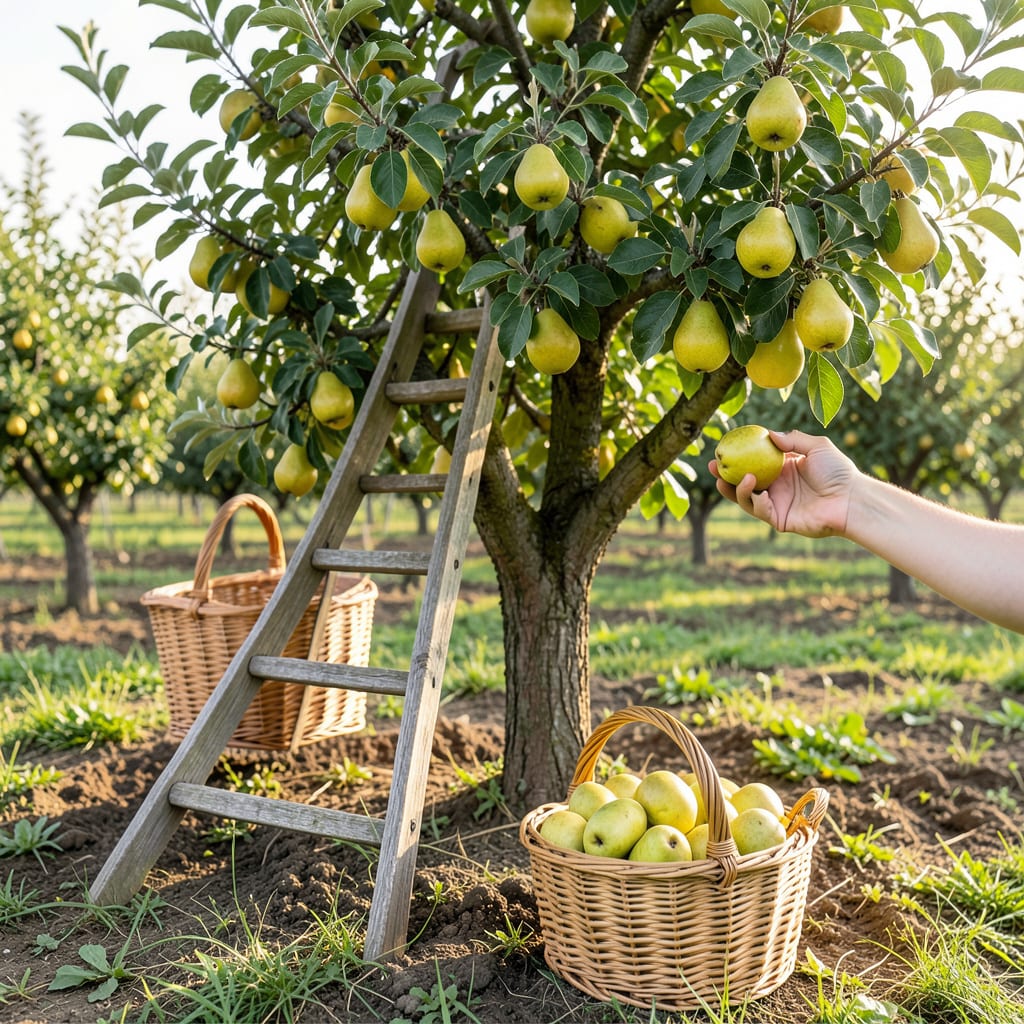
Knowing when to pick your Bartlett 🍐 can transform your harvest from mediocre to magnificent. The difference between a perfectly ripe pear and one that’s not quite ready is all in the timing.
I’ll show you the most reliable signals to watch for, ensuring you get that ideal sweetness and texture every time. Let’s make this harvest your best yet.


Timing your Bartlett pear harvest perfectly ensures the best flavor and texture. The key is watching for color changes from green to yellow, which signals the start of ripeness. I always check the stem end first for the earliest signs. ☀️
Another reliable indicator is the slight softening at the stem when gently pressed. If the fruit twists off easily when lifted, it’s ready. These visual and physical cues are more accurate than just relying on harvest dates alone. 🌿
| Ripeness Signal | What to Look For |
| Color Change | Green to yellow hue |
| Stem Softness | Slight give when pressed |
| Aroma | Sweet scent at stem |
| Ease of Picking | Twists off easily |
In cooler climates, Bartlett pears may ripen later, often in early fall. Warmer regions typically see harvest time in late summer. Always adjust based on your local weather and tree health. 🌱
For the best results, check your pears every 2-3 days as they near maturity. A single tree can have fruit ripening at different rates, so don’t harvest all at once. Focus on the most exposed fruit first.
If you’re unsure, pick a test pear and let it ripen indoors. If it softens and develops a sweet aroma, the rest are likely ready. This method helps avoid premature harvesting and ensures peak flavor.
Remember, Bartlett pears ripen from the inside out. So even if the outside looks ready, the inside might still be firm. This is why the twist test is so effective—it confirms internal ripeness.
For storage purposes, harvest pears when they’re green-mature. They’ll continue to ripen off the tree. This is ideal if you plan to store them for a few weeks before eating. 🪴
Finally, always handle your pears gently to avoid bruising. Use a soft basket or padded container for collecting. This preserves their quality and extends their shelf life significantly.
Harvesting Bartlett pears at the wrong time can ruin your entire crop. The most common mistake I see is picking too early, when pears are still hard and green. This results in poor flavor and texture. ☀️
Another frequent error is waiting too long. Overripe pears become mushy and may fall off the tree, leading to wasted fruit. Timing is everything with these delicate fruits. 🌿
⚠️ Warning: Never pull pears from the branch. Always lift and twist gently to avoid damaging the tree and fruit. Bruised pears spoil faster and lose their premium quality.
Ignoring weather conditions is another pitfall. A cold snap can accelerate ripening, while heatwaves may delay it. Always check your local forecast as harvest time approaches. 🌱
Improper post-harvest handling causes bruising. Use soft containers and avoid stacking pears too high. This preserves their freshness and appearance for weeks.
Many gardeners forget that Bartlett pears continue ripening after picking. Harvesting at the green-mature stage allows for controlled ripening indoors, which is ideal for long-term storage.
Finally, don’t overlook tree health. A stressed tree produces inconsistent fruit. Ensure proper watering and fertilizing throughout the growing season for the best harvest. 🪴
Understanding the ripening stages of Bartlett pears helps you harvest at the ideal moment. The process begins with the green-mature stage, when pears are firm but ready for picking. This is perfect for storage and later ripening. ☀️
Next comes the tree-ripened stage, where pears turn yellow and soften slightly. These are best for immediate eating and offer the sweetest flavor. I always check for the sweet aroma at the stem as a final sign. 🌿
In the green-mature stage, pears are still firm but will ripen indoors. This stage is ideal if you want to store them for a few weeks. I recommend harvesting most of your crop at this point for flexibility. 🌱
For tree-ripened pears, wait until they’re fully yellow and emit a strong, sweet aroma. These pears won’t store as long but offer the best flavor and texture right off the tree.
Remember, Bartlett pears ripen from the inside out. The twist test is your best tool—if the pear separates easily, it’s ready. This ensures you’re not just judging by external appearance alone. 🪴
Watch for color change from green to yellow and a slight softness at the stem. The fruit should twist off easily when lifted. These are the most reliable signs of readiness.
Yes! Pick them at the green-mature stage for storage. They’ll continue ripening indoors, which is perfect for extending your harvest season.
Early harvest results in hard, underripe fruit with poor flavor. These pears may never develop proper sweetness or texture, even after storage.
A cold snap can speed up ripening, while heatwaves may delay it. Always check your local forecast as harvest approaches.
