
Beautiful Plants For Your Interior
Beautiful Plants For Your Interior
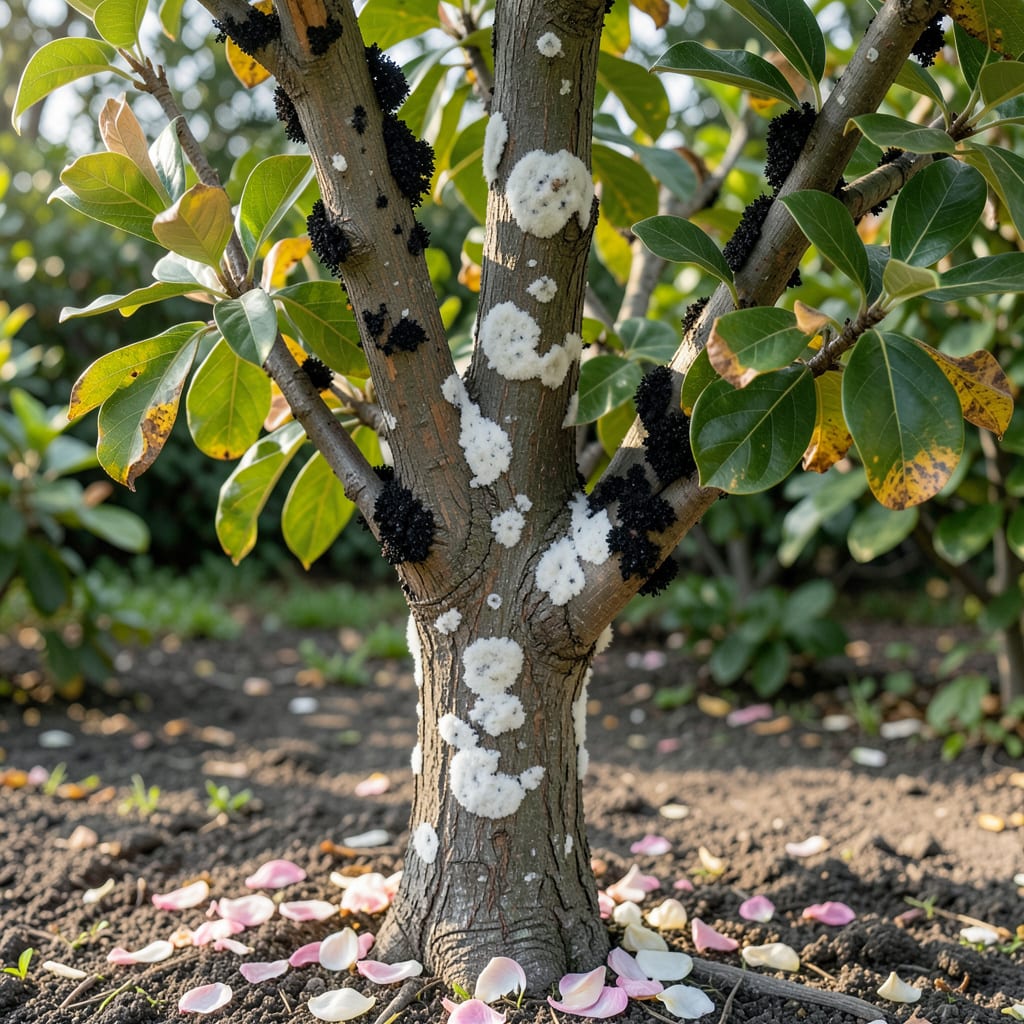
White crusty bumps on your crepe myrtle bark aren’t just ugly—they’re stealing your plant’s energy. I first noticed these pests on my favorite tree three summers ago, and the black sooty mold that followed was even worse.
The scale insects suck sap from branches, leaving behind sticky honeydew that attracts mold. Without treatment, your tree weakens and blooms poorly. The good news? You can spot and stop this before it spreads.
Regular inspections catch infestations early. A simple horticultural oil spray in dormancy smothers overwintering pests, while summer applications target active crawlers. I’ve saved three crepe myrtles this way.
This works for any crepe myrtle variety, from dwarf to full-size. The key is consistency—treat at the right time and repeat as needed.
Bark scale on crepe myrtles is a frustrating issue, but understanding its root causes helps prevent and manage it. Below are the primary factors that contribute to this invasive pest problem.
Weakened crepe myrtles are more susceptible to bark scale infestations, often due to pre-existing fungal or bacterial diseases. Pathogens like Botryosphaeria or Xanthomonas compromise the tree’s health, creating entry points for scale insects. These pests thrive on stressed trees, feeding on sap and excreting honeydew, which promotes sooty mold growth.
Extreme weather conditions—such as drought, heatwaves, or poor drainage—stress crepe myrtles, making them vulnerable. Scale insects are drawn to water-stressed plants, as their weakened defenses reduce resistance. Over- or under-fertilization can also disrupt natural balance, inviting pests.
Bark scale spreads via infested tools, contaminated soil, or nearby infected plants. Improper pruning (e.g., topping or using unsterilized shears) creates open wounds, allowing scale to colonize. Additionally, overcrowded plantings limit airflow, fostering humid conditions ideal for scale proliferation.
In ecosystems lacking beneficial insects (e.g., ladybugs, lacewings), bark scale populations explode unchecked. Pesticide overuse can kill these predators, disrupting the natural balance and giving scale insects free rein.
Addressing these causes—through proper watering, sanitation, and integrated pest management—can significantly reduce bark scale risks.
Bark scale on crepe myrtles can be stubborn, but targeted action brings trees back to health. Below are the most effective fixes, paired with prevention tips to keep your garden thriving.
Remove heavily infested branches to reduce the scale population. Use sterilized pruning shears and cut at least 6 inches below visible damage. Prevention tip: Disinfect tools between cuts with rubbing alcohol to avoid spreading pests.
Spray dormant or summer horticultural oil to suffocate scale insects. Apply during dry, calm weather (avoid extreme heat). Reapply every 7–10 days for 3–4 weeks. Prevention tip: Monitor trees weekly in early spring when scales are most active.
For severe infestations, apply a systemic insecticide (like imidacloprid) to the soil. The tree absorbs it, making sap toxic to scales. Follow label rates carefully. Prevention tip: Avoid over-fertilizing—excess nitrogen promotes tender new growth that attracts scales.
Ladybugs, lacewings, and parasitic wasps feed on scale. Plant pollinator-friendly flowers nearby to attract them. Prevention tip: Limit pesticide use to protect these beneficial insects.
Stressed trees are more vulnerable. Ensure proper watering (1–2 inches weekly), mulching (2–3 inches deep), and balanced fertilization. Prevention tip: Prune in late winter to remove overwintering scales before they multiply.
Combine these methods for the best results, and always act at the first sign of white, crusty bark or black sooty mold. Early intervention saves time and trees! ✨
White crusty bumps are likely bark scale insects feeding on sap. These pests weaken the tree and produce sticky honeydew that attracts black sooty mold. Inspect closely for confirmation.
Apply horticultural oil during dormancy or early spring when scales are active. Repeat every 7-10 days for 3-4 weeks. Avoid treating in extreme heat or rain.
Yes, but act fast. Prune infested branches, apply systemic insecticide, and improve tree health with proper watering and mulching. Consistency is key.
