
Beautiful Plants For Your Interior
Beautiful Plants For Your Interior
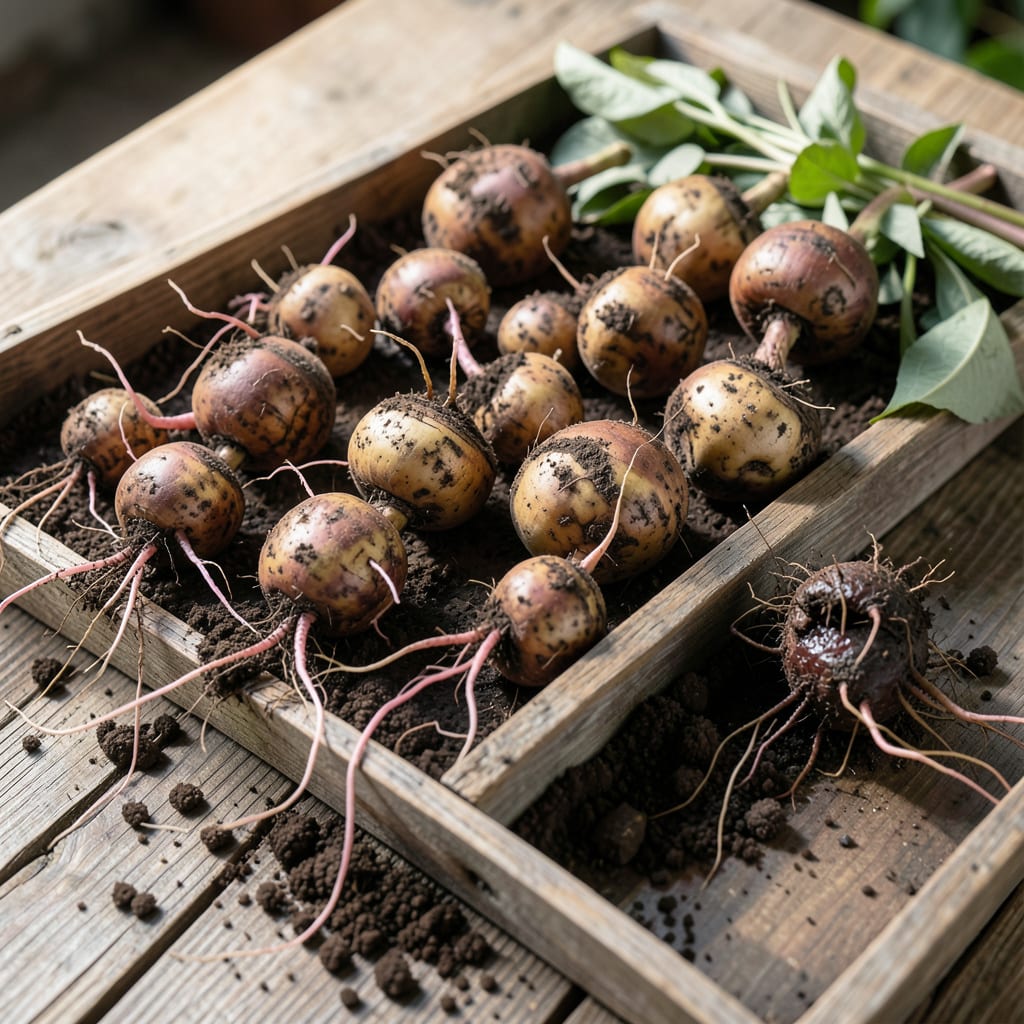
Planting bare root peonies feels like burying treasure. I’ve learned that timing is everything—early fall gives roots time to establish before winter.
By spring, you’ll get explosive growth and blooms that return every year with almost no effort. These tubers are cheaper than potted plants and often stronger, but they need the right start to thrive.
📚 In This Guide
Here’s the method I rely on for establishing peonies that bloom spectacularly for decades.
Plant bare root peony tubers in early fall, 6-8 weeks before the first hard frost. This gives roots time to establish before winter dormancy. Spring planting works but often results in a year of delayed blooming as the plant focuses on root development.
Choose a location with full sun (at least 6-8 hours of direct sunlight daily) and well-draining soil. Peonies tolerate partial shade but produce significantly fewer flowers. Avoid low-lying areas where water pools after rain.
Dig a hole approximately 2 feet wide and 18 inches deep. This generous size accommodates the tuber’s eventual spread and allows for proper soil amendment. The extra width matters more than depth—peonies develop an extensive, shallow root system.
Amend the removed soil with compost or well-rotted manure to improve fertility and drainage. I mix in a handful of bone meal at the bottom of the hole for phosphorus, which promotes strong root development and future flowering.
Place the tuber in the hole with the “eyes” (small pink or white buds) facing upward. This is critical—planting upside down delays blooming by years. The eyes should be no more than 1-2 inches below the soil surface in cold climates, or exactly at soil level in warmer zones.
Backfill with the amended soil, gently firming it around the tuber to eliminate air pockets. Water thoroughly after planting to settle the soil. The tuber might shift slightly during watering, so check that the eyes remain at the proper depth.
After planting, water deeply once a week unless rain provides 1 inch of water. Peonies are drought-tolerant once established but need consistent moisture during their first growing season. Mulch with 2-3 inches of organic material to retain moisture and suppress weeds.
Resist the urge to fertilize immediately after planting. Wait until spring when new growth appears, then use a balanced fertilizer. Over-fertilizing, especially with high-nitrogen products, produces lush foliage at the expense of flowers.
Peonies require minimal maintenance once established. In late fall, after the first frost blackens the foliage, cut stems back to 2-3 inches above the soil. This removes potential disease sources and tidies the garden. Never cut foliage earlier—it feeds the tubers for next year’s blooms.
Divide clumps only when blooming decreases, typically every 10-15 years. Use a sharp spade to separate the tuber cluster, ensuring each division has at least 3-5 eyes. Replant immediately following the same depth guidelines as initial planting.
These insights will help you avoid the most common pitfalls when establishing your peonies.
Timing Secret: That 6-8 week window before the first hard frost in Step 1 isn’t just a suggestion—it’s critical for root establishment. Planting too late means roots won’t have time to anchor before winter, while planting too early risks heat stress. I’ve found that mid-September to early October works perfectly in most climates.
The Depth Factor: In Step 3, planting those eyes 1-2 inches below the surface in cold zones is non-negotiable. Here’s what nobody tells you—even experienced gardeners sometimes plant too deep, thinking more soil means more protection. This actually smothers the buds and can delay blooming for years. Use a ruler if you’re unsure.
Watering Wisdom: The once a week deep watering in Step 4 is more effective than frequent light watering. Peonies develop deep root systems, and shallow watering encourages weak surface roots. I learned this the hard way after losing several plants to drought stress during their first summer.
Pruning Patience: That instruction in Step 5 about waiting until after the first frost to cut back foliage exists for a reason. Those ugly, frost-blackened leaves are still photosynthesizing and feeding the tubers for next year’s blooms right up until the very end. Trust me on this.
Plant in early fall (September–October) or early spring (before buds swell). This gives roots time to establish before extreme weather. Avoid planting in summer heat or frozen ground.
Yes! They thrive in well-draining, slightly acidic to neutral soil (pH 6.5–7.0). Amend heavy clay or sandy soil with compost for better moisture retention and nutrient access.
Place the eyes (buds) no deeper than 1–2 inches below the soil surface. Planting too deep delays blooming or prevents it entirely.
Common causes include planting too deep, insufficient sunlight, or immature tubers (they may take 2–3 years to bloom). Ensure 6+ hours of sun daily and proper depth.
Yes, but choose large pots (5+ gallons) with drainage holes. Use high-quality potting mix and winter protection in cold climates. Repot every 2–3 years.
