
Beautiful Plants For Your Interior
Beautiful Plants For Your Interior
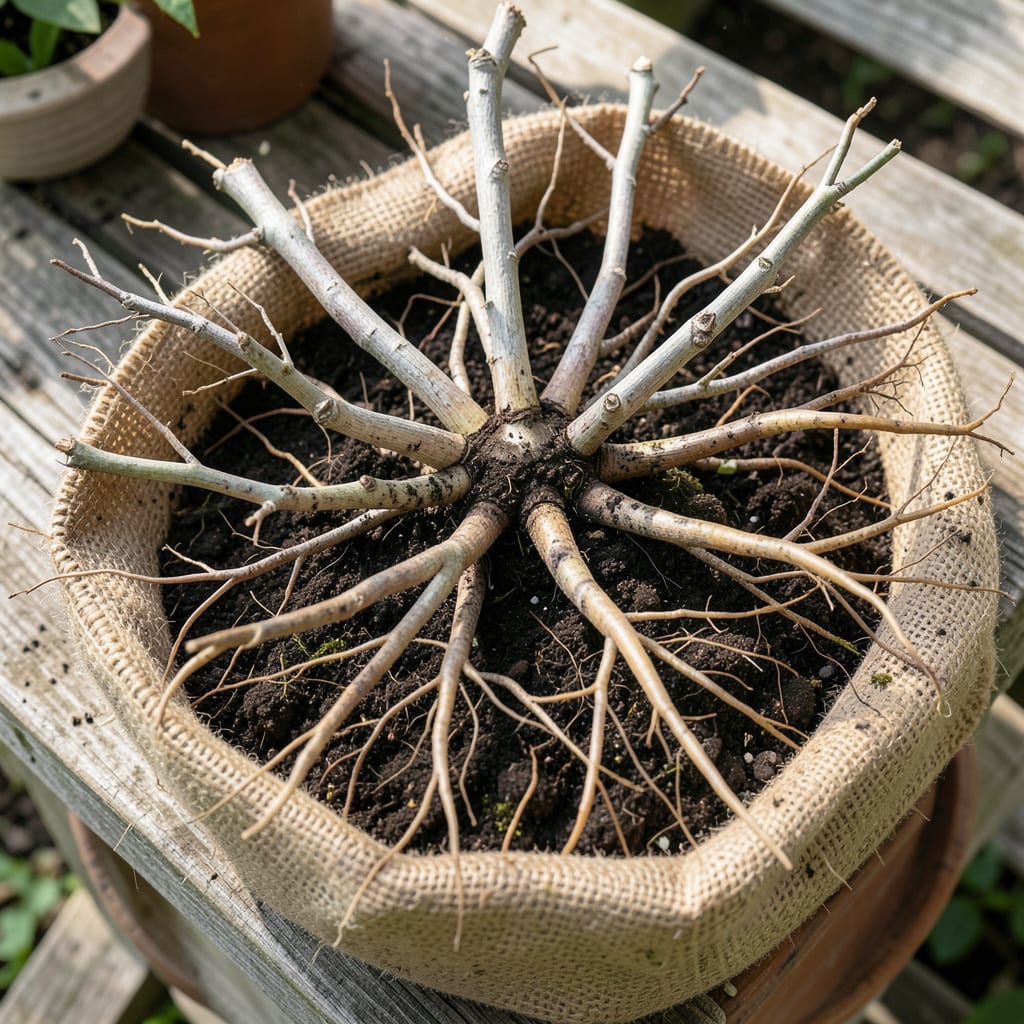
Planting a bare root lilac gives you a head start on spring fragrance. I’ve learned these establish faster than potted ones when handled right—just soak the roots 12-24 hours before planting.
By next season, you’ll have clusters of blooms so fragrant the neighbors will notice. They’re hardy, low-maintenance, and thrive with minimal fuss once settled in.
📚 In This Guide
Here’s the method I rely on to establish healthy lilacs with vibrant early blooms every year.
Choose a location with full sun—at least 6-8 hours of direct light daily—as lilacs bloom poorly in shade. Test your soil’s drainage by digging a 12-inch deep hole and filling it with water. If it drains within 1-2 hours, the site is suitable. Lilacs thrive in well-draining, slightly alkaline soil with a pH of 6.5-7.5.
Loosen the soil in a 2-foot wide area to encourage root spread. Remove weeds, rocks, and debris that could compete with the young bush. If your soil is heavy clay, amend it with compost to improve aeration and moisture retention.
Unpack the bare root lilac and inspect the roots for damage or dryness. Trim any broken or overly long roots with clean pruners to encourage healthy growth. Soak the roots in a bucket of lukewarm water for 2-3 hours to rehydrate them before planting.
This step is critical—dry roots struggle to establish, and soaking revives the plant after storage. Keep the roots submerged entirely, and avoid letting them dry out during the process. You’ll notice the roots plump up as they absorb moisture, a sign they’re ready for the soil.
Dig a hole wide enough to accommodate the spread roots and deep enough so the crown—where the roots meet the stem—sits 2-3 inches above the soil line. This accounts for settling. Position the bush in the hole, spreading the roots outward in a natural pattern.
Backfill the hole with native soil, gently pressing it down to eliminate air pockets. Water thoroughly to settle the soil, adding more if needed to maintain the correct depth. Avoid planting too deep, as this can suffocate the roots and delay establishment.
After planting, water deeply with 1-2 gallons of water to ensure the soil is saturated around the roots. This initial soaking helps the roots make contact with the soil and begin absorbing nutrients. Keep the soil consistently moist but not waterlogged for the first 4-6 weeks.
Apply a 2-3 inch layer of organic mulch, such as wood chips or straw, around the base of the bush, leaving a 3-inch gap around the stem to prevent rot. Mulch conserves moisture, suppresses weeds, and regulates soil temperature as the lilac establishes.
After planting, prune the top growth back by one-third to reduce stress on the roots and encourage bushier growth. Use sharp, clean pruners to make cuts just above a bud or branch junction. This step might feel counterintuitive, but it directs the plant’s energy toward root development.
Monitor the bush for the first growing season, ensuring it receives adequate water and shows signs of new growth. Lilacs are hardy but benefit from a balanced fertilizer (10-10-10) applied in early spring of the following year to promote vigorous blooming.
The details that transform good results into spectacular blooms every year.
Sunlight Essentials: That 6-8 hours of direct light daily in Step 1 isn’t just a suggestion—it’s the difference between sparse blooms and a bush bursting with fragrance. I learned this the hard way after planting one in partial shade that barely flowered. South-facing spots work best, but east-facing locations capture gentle morning sun that’s equally effective.
Soaking Secret: The 2-3 hour soak in Step 2 revives roots that have been in storage, but here’s what nobody tells you—use lukewarm water, not cold. Cold water takes longer to penetrate, while lukewarm water encourages faster absorption. I’ve seen roots plump up noticeably within the first hour when using the right temperature.
Depth Discipline: That 2-3 inches above soil line specification in Step 3 accounts for settling, but I’ve found that clay soils settle more dramatically. If you’re working with heavy clay, aim for the full 3 inches above grade to prevent the crown from ending up below soil level after the first hard rain.
Watering Wisdom: The 1-2 gallons immediately after planting in Step 4 should be deep enough that you can insert your finger 4-6 inches into the soil and feel moisture. During those critical 4-6 weeks of establishment, water when the top inch of soil feels dry—this usually means every 2-3 days in average conditions, but daily in extreme heat.
The ideal time is late fall or early spring, when the plant is dormant. This allows roots to establish before summer heat or winter frost. Avoid planting during extreme temperatures or when the ground is frozen.
Water deeply after planting and keep the soil moist (not soggy) for the first few weeks. Mulch around the base to retain moisture, and prune only dead or damaged branches in the first year to encourage growth.
Lilacs often take 2-3 years to bloom after planting. If it’s mature but not flowering, check for insufficient sunlight, over-fertilizing, or pruning at the wrong time (avoid cutting buds in late summer).
It’s possible but not ideal—lilacs prefer open ground. If container-grown, choose a large pot (20+ gallons), use well-draining soil, and ensure full sun. Expect slower growth and less vigorous blooms.
