
Beautiful Plants For Your Interior
Beautiful Plants For Your Interior
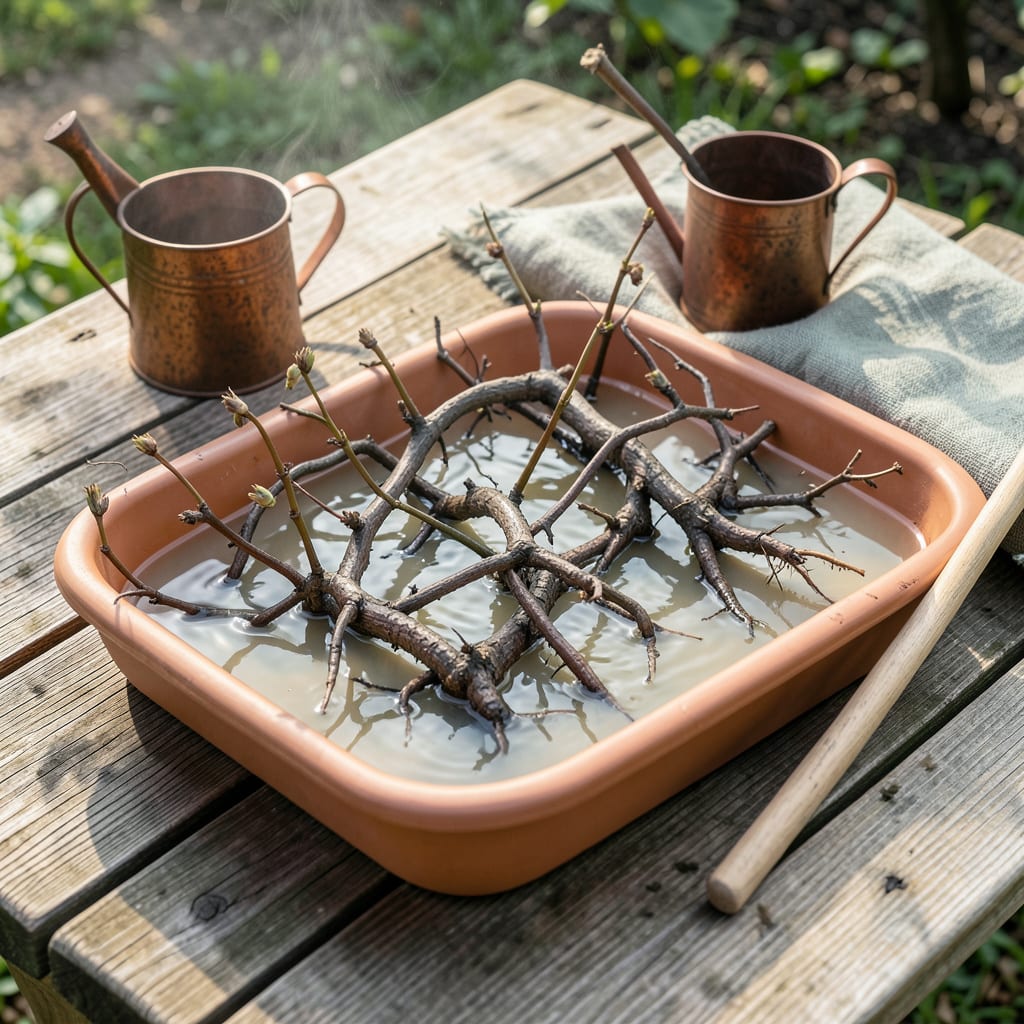
Planting bare root grape vines changed my backyard forever. Those first leafy tendrils emerging from dormant sticks felt like magic.
I learned the hard way that timing is everything—plant too early and frost kills them, too late and they struggle to establish. The right start means faster growth and a bigger harvest in just a few seasons.
📚 In This Guide
This method ensures strong root establishment and vigorous growth from day one.
Begin by soaking the bare root vines in lukewarm water for 2-3 hours to rehydrate the roots. This step revives dormant tissues and prepares them for immediate nutrient uptake. I’ve found that skipping this soak can delay establishment by weeks.
While they soak, inspect for any damaged or broken roots. Trim these with clean, sharp pruners, cutting back to healthy, white or light tan tissue. This prevents rot and encourages the vine to focus energy on strong, viable roots instead of repairing injuries.
Dig a hole 12-18 inches deep and 12 inches wide—deep enough to accommodate the entire root system without bending. The soil at the bottom should be loosened to 6 inches to allow roots to penetrate easily. This is the moment that matters: compacted subsoil will stunt growth before it even begins.
Mix the removed soil with 1/3 compost to improve drainage and fertility. If your soil is heavy clay, add a handful of coarse sand or perlite to the mix. Avoid fresh manure, which can burn tender new roots.
Place the vine in the hole so the bud union (the swollen area where the top was grafted to the rootstock) sits 2-3 inches above soil level. Spread the roots outward in the hole, ensuring none are cramped or circling. Backfill with the soil-compost mix, gently firming it around the roots to eliminate air pockets.
Water thoroughly as you fill to help settle the soil. Once planted, the vine should stand upright on its own. If it leans, it’s planted too shallow—adjust immediately. This prevents future wind damage and ensures proper root development.
After planting, prune the vine back to 2-3 buds above the soil. I know it seems drastic, but this forces the plant to focus on root establishment rather than top growth. The remaining buds will produce vigorous shoots that form the foundation of your vine’s structure.
Install a sturdy 5-6 foot trellis or support system at planting. Grape vines need guidance from day one, and early training prevents tangled growth. Secure the vine loosely to the support with soft ties, allowing room for the trunk to thicken.
Apply a 2-3 inch layer of organic mulch (straw or wood chips) around the base, keeping it 4 inches away from the trunk to prevent rot. Mulch conserves moisture and suppresses weeds, which compete aggressively with young vines for nutrients and water.
Water deeply once a week for the first month, then taper off as the vine establishes. Watch for new growth within 2-3 weeks—this is your signal that the roots have taken hold. If growth is slow, check for water stress or poor soil contact around the roots.
Small details make the difference between struggling vines and a flourishing vineyard.
The Soaking Secret: That 2-3 hour soak in lukewarm water isn’t just helpful—it’s critical. I learned this the hard way after planting a batch without soaking first. The roots were so dehydrated they took weeks to show any signs of life. The soak rehydrates dormant root tissues, giving them the jumpstart they need for immediate nutrient uptake.
Planting Depth Matters: When positioning your vine in Step 3, resist the urge to bury it deep. That bud union must sit 2-3 inches above soil level—planting it too low invites rot and weak growth. I’ve seen vines planted at the correct depth establish twice as fast as those buried too deep.
Pruning for Success: The instruction to prune back to 2-3 buds in Step 4 might feel counterintuitive, but it’s the key to strong root development. Those first shoots will be more vigorous than you’d expect, forming the foundation for your vine’s entire structure. Trust the process—it works.
Mulch Placement: In Step 5, keep that 2-3 inch mulch layer 4 inches away from the trunk. I’ve lost count of how many vines I’ve seen suffer from rot because mulch was piled right against the base. This simple spacing prevents moisture from accumulating against the bark while still conserving soil moisture.
Plant bare root grape vines in late winter or early spring , while they’re still dormant. This gives roots time to establish before warm weather. Avoid planting during freeze-thaw cycles or extreme heat.
Keep them in a cool, dark place (like a garage) and keep roots moist. Heel them into a trench or wrap in damp burlap if storing longer than a few days. Don’t let roots dry out!
Yes! Use a large container (15+ gallons) with drainage holes. Choose dwarf or compact varieties, and ensure full sun. Repot as vines grow to prevent root binding.
Slow growth can mean poor root contact with soil, overwatering, or cold shock. Check for loose soil, ensure consistent moisture (not soggy), and wait—some vines take weeks to show new growth.
