
Beautiful Plants For Your Interior
Beautiful Plants For Your Interior
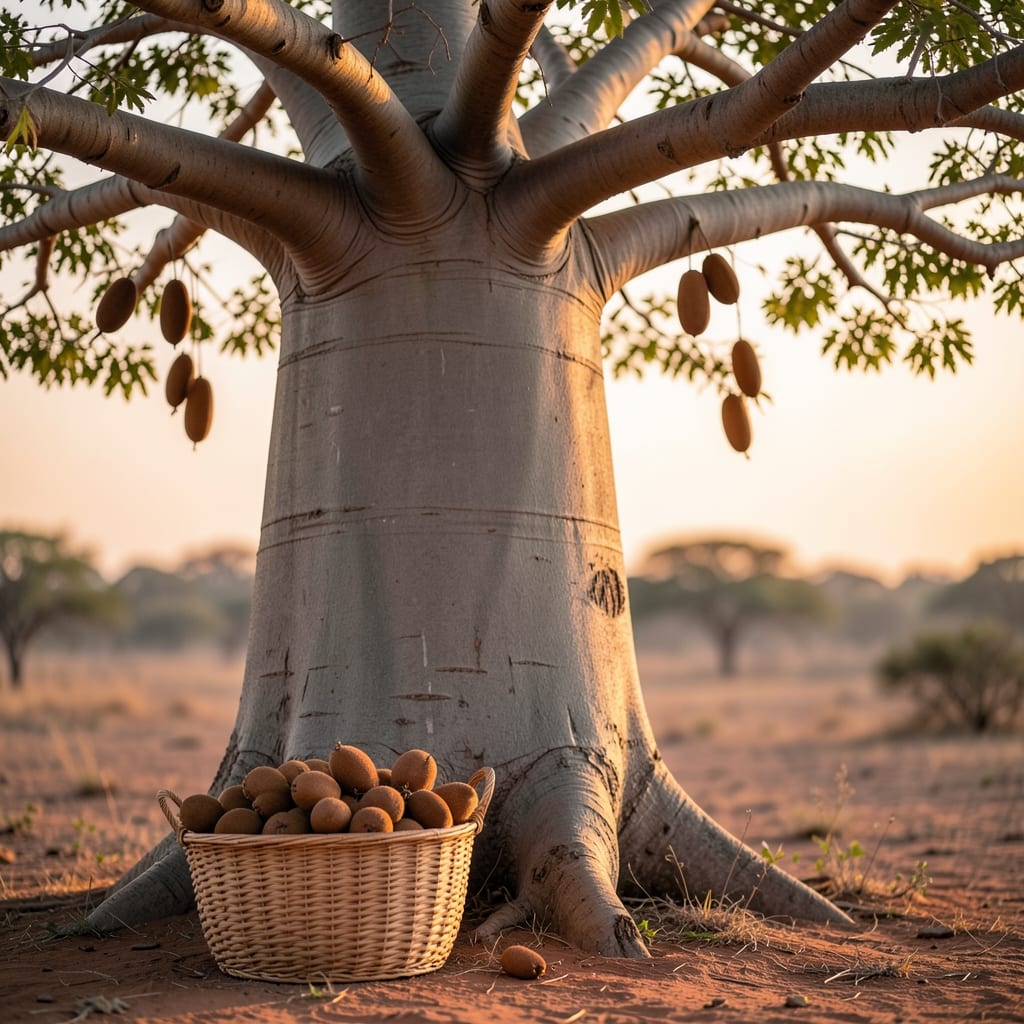
Baobab fruit offers a unique tangy, citrusy flavor with subtle sweetness and a creamy, powdery texture when dried, often compared to a mix of lemon, tamarind, and vanilla.
I love how its high vitamin C content contributes to that sharp, zesty kick you notice right away. The powdered form intensifies these notes while adding a velvety mouthfeel that works beautifully in both sweet and savory dishes. What sets it apart is the natural balance—bright acidity mellowed by gentle sweetness, making it a favorite in African and health-focused cuisines. ✨
💡 In This Article
The tangy punch comes from its exceptionally high vitamin C content, clocking in at 6x more than oranges per gram. This creates a sharp, citrus-forward profile that hits your palate immediately. Organic acids like citric, malic, and tartaric amplify that zing, working together to produce a complexity you don’t find in simpler fruits. 🔥
The drying process transforms the fruit’s texture completely. Fresh baobab pulp has a slightly fibrous, almost sherbet-like consistency. But when dehydrated and ground into powder, it becomes ultra-fine with a chalky yet creamy mouthfeel. This happens because the natural pectin breaks down during drying, creating that signature velvety quality. ✨
Regional differences play a big role too. Baobab from Senegal tends to have a brighter, more pronounced acidity, while Tanzanian varieties often lean slightly sweeter with hints of caramel. Soil composition and rainfall patterns directly influence the balance of sugars and acids in the fruit.
The age of the tree matters as well—older baobabs produce fruit with deeper, more nuanced flavors. 🌟
What’s fascinating is how the flavor develops as you taste it. The initial hit is that sharp citrus tang, but it quickly mellows into a subtle sweetness with a faint vanilla-like aftertaste.
This progression is why baobab powder works so well in both tangy smoothies and rich desserts—it brings layers of flavor that evolve on your tongue. ⚡
For comparison, think of the first bite of a very ripe tamarind pod, but with less bitterness and more roundness. The texture of dried baobab powder is often compared to fine cornmeal, but with a silkier finish that dissolves almost instantly when mixed with liquids. This makes it incredibly versatile in cooking applications. 💫
It’s primarily tart with a bright, citrusy sourness, but there’s a subtle natural sweetness that balances it out. The flavor profile is often compared to a mix of lemon and tamarind, with a hint of vanilla in the finish.
Fresh pulp is fibrous and slightly grainy, while dried baobab becomes a fine, creamy powder. This powder dissolves easily in liquids and adds a velvety mouthfeel to drinks and recipes.
Yes, but it’s rarely eaten fresh outside its native regions. The raw pulp is tangy and slightly fibrous. Most people prefer it dried and powdered for convenience and concentrated flavor.
Sweet fruits like mango or banana balance its acidity perfectly. In savory dishes, it pairs wonderfully with rich flavors like coconut, ginger, or honey. Try 1-2 teaspoons in smoothies or dressings!