
Beautiful Plants For Your Interior
Beautiful Plants For Your Interior
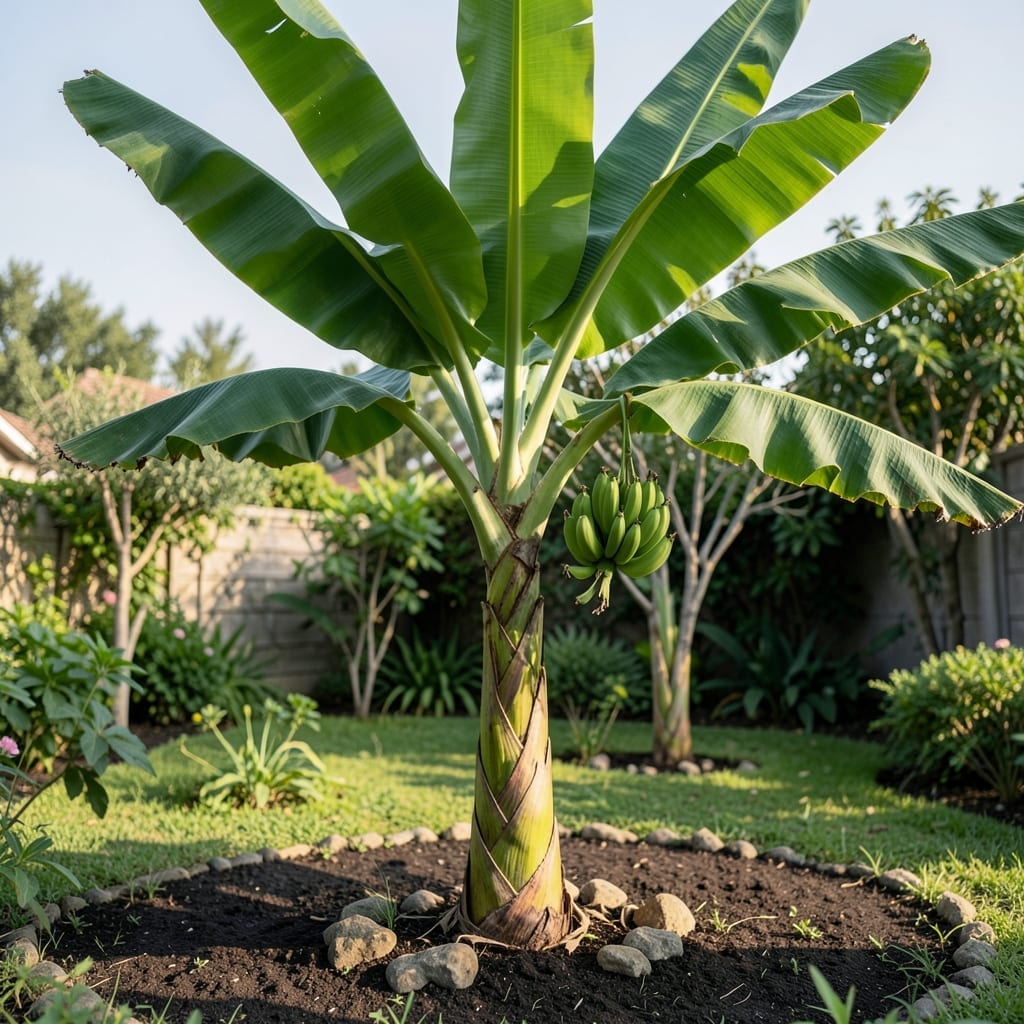
Understanding the potential size of a 🍌 Banana Tree is crucial for any gardener looking to cultivate these tropical plants. Whether you’re growing them for fruit or ornamental purposes, their impressive growth can surprise even experienced gardeners.
These trees don’t just add tropical flair to your garden – they can transform your landscape with their rapid growth and substantial presence. From dwarf varieties to towering giants, the range is truly remarkable.
I’ve seen firsthand how proper planning prevents issues with space management. The difference between a well-placed Banana Tree and one that outgrows its area is night and day.
Discover how to match the right variety to your space and learn the key factors that influence their final size. Your garden will thank you.


If you’re growing banana trees, understanding their growth stages helps you plan space and care. These tropical plants grow surprisingly fast, often reaching full maturity in just 2-3 years under ideal conditions.
From a small sucker plant to a towering fruit-bearing tree, each phase brings visible changes in height, leaf size, and trunk thickness. Knowing what to expect at each stage ensures proper spacing and optimal growth.
| Growth Stage | Height | Leaf Spread | Trunk Thickness |
|---|---|---|---|
| Sucker/Pup | 1-2 ft | 6-12 in | 0.5-1 in |
| Young Plant | 3-5 ft | 2-3 ft | 2-3 in |
| Early Maturity | 8-12 ft | 4-6 ft | 4-6 in |
| Full Maturity | 20-30 ft | 8-12 ft | 8-12 in |
In the sucker stage, your banana plant is just a small shoot emerging from the mother plant’s base. It’s delicate but grows rapidly with the right water and nutrients.
As it enters the young plant stage, you’ll notice larger leaves and a thicker pseudostem. This is when it starts looking like a true banana tree, but it’s still manageable in size.
By early maturity, the banana tree can reach 10 feet tall. The leaves become broader, and the trunk thickens significantly. It’s preparing for its first flowering cycle.
At full maturity, a standard banana tree can tower 20-30 feet with a canopy spread of 8-12 feet. The trunk (a false stem made of leaf sheaths) can be 8-12 inches thick.
I’ve found that consistent watering and high-potassium fertilizer speed up growth. Also, protecting young plants from strong winds prevents damage to their large leaves.
If you’re growing in containers, choose dwarf varieties like ‘Dwarf Cavendish’ or ‘Super Dwarf Cavendish’. These stay under 10 feet but still produce delicious fruit.
Remember, banana trees grow new leaves from the center, with older leaves dying off. This natural cycle keeps the plant healthy and vibrant. 🌿
Choosing the right banana tree variety for your space is essential to avoid overcrowding. Dwarf types like Dwarf Cavendish stay compact at 6-10 feet, perfect for small gardens or containers.
On the other end, giant varieties such as Gros Michel can reach 20-30 feet, needing ample room to thrive. Medium types like Lady Finger fall in between at 10-15 feet. 🌿
| Variety | Mature Height | Planting Spacing |
| Dwarf Cavendish | 6-10 ft | 4-6 ft apart |
| Lady Finger | 10-15 ft | 8-10 ft apart |
| Gros Michel | 20-30 ft | 12-15 ft apart |
I always recommend measuring your space before selecting a variety. A 12-foot spacing works well for most medium trees, while giants need 15 feet or more between plants.
For container gardening, stick to dwarf varieties and use large pots (at least 20 gallons). This restricts root growth and keeps the plant manageable.
Remember that leaf spread can be nearly as wide as the tree is tall. Proper spacing prevents shade competition and allows for good air circulation. ✂️
In windy areas, consider planting near a windbreak or using stakes for support. The last thing you want is your investment toppling in a storm.