
Beautiful Plants For Your Interior
Beautiful Plants For Your Interior
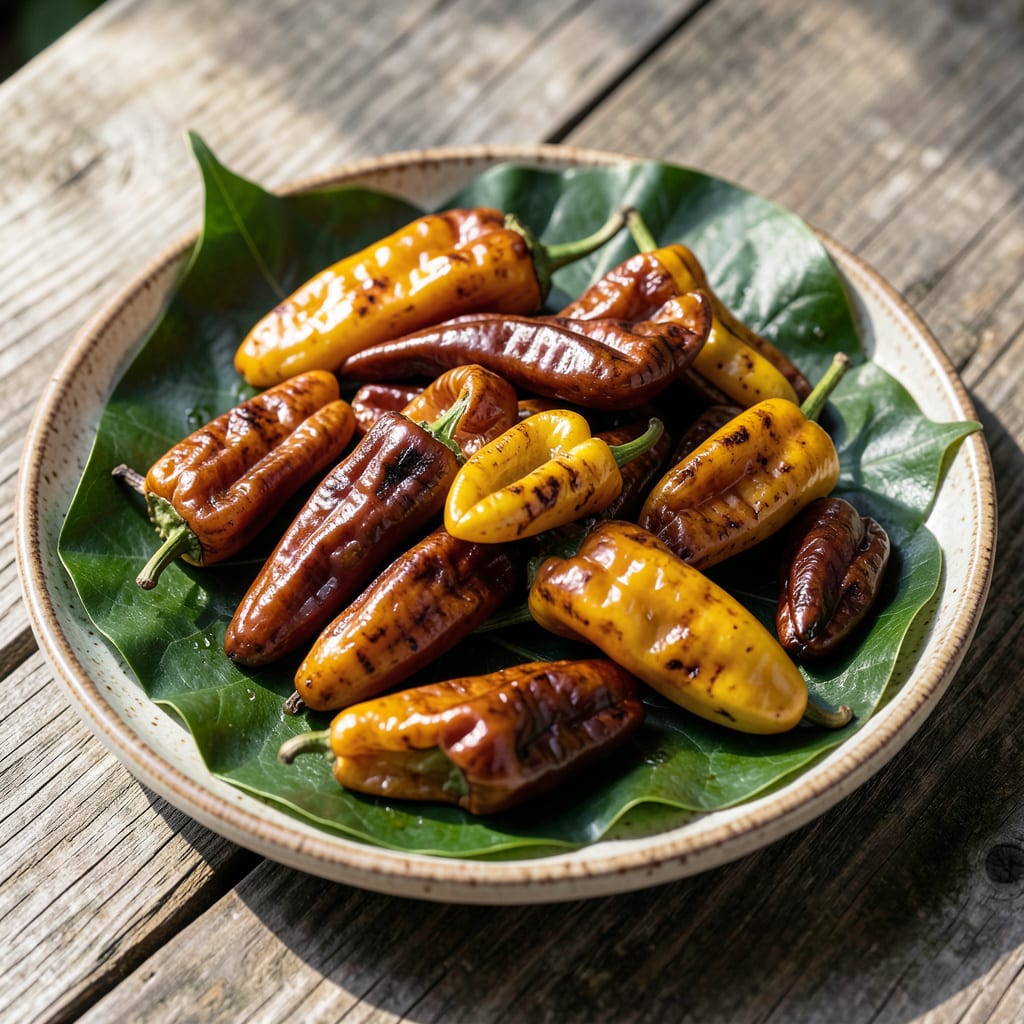
Brown banana peppers signal trouble in the garden. I’ve seen this happen when plants get too much water, not enough sun, or face a fungal attack.
Most cases start with inconsistent watering or poor drainage. The leaves turn first, then the peppers follow. A simple soil test and drainage check can reveal the root cause.
Recovery is possible with quick action. Prune affected parts, adjust watering, and improve air circulation around your plants.
Prevention means consistent care and early monitoring. Healthy plants resist most issues before they turn your peppers brown.
Banana peppers turning brown can signal several underlying issues, often tied to environmental stress, disease, or cultural practices. Below are the most common causes, explained with actionable insights to help you diagnose the problem.
Extreme heat or prolonged exposure to direct sunlight can scorch pepper skins, leading to brown patches or blotches. Banana peppers thrive in temperatures between 70–85°F (21–29°C). When temperatures exceed 90°F (32°C), the plants may develop sunscald, where tissues break down due to excessive UV radiation and moisture loss. Shade cloth (30–50%) during peak afternoon hours can prevent this.
Both underwatering and overwatering trigger browning. Drought stress causes leaf and fruit desiccation, while waterlogged roots suffocate, leading to root rot and nutrient uptake failure. Aim for 1–1.5 inches of water per week, delivered at the base of the plant to avoid wetting the foliage. Drip irrigation is ideal for consistent moisture without promoting fungal growth.
Pathogens like Alternaria (early blight) or Bacterial Leaf Spot (Xanthomonas) cause dark brown or black spots on peppers. These thrive in humid conditions and spread via splashing water. Remove infected plant parts immediately, and apply copper-based fungicides preventatively. Crop rotation and proper spacing (18–24 inches apart) improve airflow to reduce humidity.
A lack of calcium or magnesium can manifest as brown discoloration. Blossom end rot (common in peppers) starts as a water-soaked brown spot at the fruit’s tip due to calcium imbalance. Test soil pH (ideal: 6.0–6.8); amend with lime (for calcium) or Epsom salt (for magnesium) if deficiencies are confirmed.
If your banana peppers are turning brown, don’t panic—there are practical ways to save them and prevent future issues. Below are targeted fixes for the most common causes, along with prevention tips to keep your plants thriving.
Add a calcium-rich amendment like crushed eggshells or gypsum to the soil. For a quick fix, apply a calcium spray directly to the leaves. Prevention tip: Maintain consistent soil moisture to help plants absorb calcium efficiently.
Check if the soil is soggy. If so, reduce watering and ensure pots have drainage holes. For garden beds, mix in compost or sand to improve drainage. Prevention tip: Water only when the top inch of soil feels dry.
If peppers are exposed to intense sunlight, use shade cloth or move potted plants to a partially shaded area. Prevention tip: Acclimate plants gradually to direct sunlight to avoid shock.
Spray peppers with neem oil or insecticidal soap to deter aphids and mites. For severe infestations, remove affected leaves. Prevention tip: Inspect plants regularly and encourage beneficial insects like ladybugs.
Remove brown, infected peppers and treat plants with a copper-based fungicide. Prevention tip: Space plants properly for airflow and avoid overhead watering to reduce humidity.
With these fixes, your banana peppers can recover and stay healthy. Stay proactive to enjoy a vibrant, productive harvest!
Yes, soggy soil suffocates roots and prevents nutrient uptake. This often leads to root rot, which can turn leaves and peppers brown. Always ensure proper drainage.
Sometimes. Fungal infections like early blight or bacterial spot can cause brown patches. Check for humidity levels and improve airflow to prevent spread.
If temperatures exceed 90°F, use 30-50% shade cloth during peak sun. This protects peppers from sunscald and heat stress.
Yes, low calcium or magnesium can lead to brown discoloration. Test soil pH and amend with lime or Epsom salt as needed.
