
Beautiful Plants For Your Interior
Beautiful Plants For Your Interior
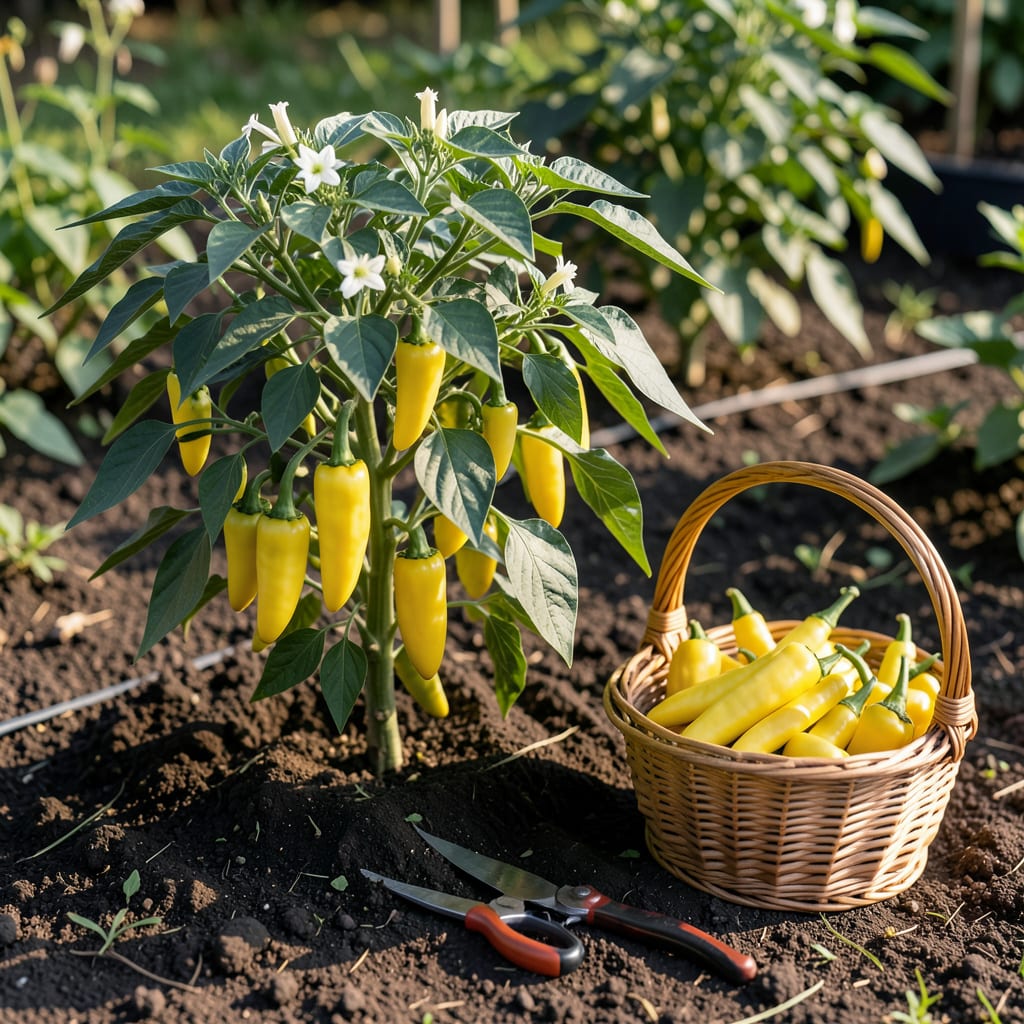
I remember the first time I picked a Banana Pepper too early – what a disappointment. That tangy, underripe bite taught me that timing is everything when it comes to harvesting these gems.
From July to September, your 🌶️ plants will transform, giving you clear signals when they’re ready. Let me show you exactly what to look for to get that perfect flavor every time.


I’ve learned that banana peppers give clear signals when they’re ready to pick. The most obvious cue is the color change from bright green to a vibrant yellow. This transformation typically happens when the peppers reach 6 to 8 inches in length.
Another sign is the firmness and glossiness of the skin. A ripe banana pepper will feel solid to the touch and have a slight sheen. If the skin looks dull or wrinkled, it’s either underripe or overripe. ✂️
The shape of the pepper also matters. Banana peppers should have a smooth, elongated shape without any deformities. If the pepper looks stunted or misshapen, it may not be ready for harvest.
I always check the stem connection too. A ripe banana pepper will easily snap off the plant with a gentle twist. If it feels stubborn or doesn’t budge, it’s not ready yet.
For gardeners in cooler climates, the harvest window might be slightly later. I’ve noticed that peppers in USDA Zone 6a often need an extra week or two to mature fully. Keep an eye on the weather forecast to plan your harvest.
The plant’s overall health plays a role too. If your banana pepper plants are well-watered and receiving 6+ hours of sunlight, they’ll produce peppers that mature faster and more uniformly.
If you’re growing hot banana peppers, they might turn red instead of yellow when ripe. I always double-check the seed packet for variety-specific cues to avoid confusion.
Don’t forget to harvest regularly. Picking ripe peppers encourages the plant to produce more. I aim to check my plants every 2-3 days during peak season to catch them at the perfect stage.
Finally, trust your sense of touch. A ripe banana pepper should feel heavy for its size and have a slight give when squeezed. If it feels hollow or too soft, it’s past its prime. 🌱
I’ve found that banana pepper harvest time varies significantly based on your growing conditions. In warmer climates, peppers often mature 5-7 days faster than in cooler areas like USDA Zone 6a. ☀️
The soil quality and sunlight exposure also play crucial roles. Plants receiving 6+ hours of sun and growing in well-draining soil will produce peppers that reach maturity more quickly.
I always check the seed packet for the specific days-to-maturity range. Most banana peppers fall between 55-90 days after transplanting. This range helps me set realistic expectations for my harvest schedule.
In my experience, container-grown peppers may take slightly longer to mature than those planted directly in the ground. The limited root space can slow growth, so I give them an extra 1-2 weeks of patience.
Watering consistency is another key factor. I’ve noticed that plants with steady moisture produce peppers that size up faster. I aim for 1-2 inches of water per week, adjusting for rainfall.
For gardeners in shorter growing seasons, starting seeds indoors 8-10 weeks before the last frost date gives plants a head start. This technique helps ensure a full harvest before the first fall frost arrives.
Finally, don’t forget that plant spacing affects maturation. I space my banana pepper plants 18-24 inches apart to ensure good air circulation, which helps prevent diseases that could delay harvest. 🌱
I’ve made my share of mistakes when harvesting banana peppers. The most common is picking too early, which often leaves you with tangy, underripe peppers. It’s tempting to harvest when they’re still small and green, but patience pays off.
Another error is using dull harvesting tools. Clean, sharp pruning shears or scissors prevent damage to both the pepper and plant. I always sanitize my tools to avoid spreading diseases.
Ignoring weather conditions is another pitfall. I never harvest when peppers are wet from rain or morning dew, as this can encourage rot or mold. Early morning, after the dew has dried, is ideal.
Over-handling the plants can stress them and reduce future yields. I gently hold the pepper and use my other hand to support the plant when picking. This prevents stem damage and keeps the plant productive.
Finally, neglecting post-harvest care can ruin your hard work. I store harvested peppers in a cool, dry place and use them within a week for best flavor. Proper care ensures your peppers stay fresh and delicious. ✂️
Look for a color change from green to yellow or red, depending on the variety. They should be 6-8 inches long with firm, glossy skin that easily snaps off the plant.
Inspect your plants every 2-3 days during peak season. Banana peppers mature quickly, and regular checks ensure you don’t miss the perfect picking window.
You can, but they’ll taste tangy and underripe. For the best flavor, wait until they turn yellow or red. Patience rewards you with sweeter, more mature peppers.
Pick in the morning after the dew has dried. Avoid harvesting when peppers are wet, as this can encourage rot or mold. Early picking also helps maintain plant productivity.
