
Beautiful Plants For Your Interior
Beautiful Plants For Your Interior
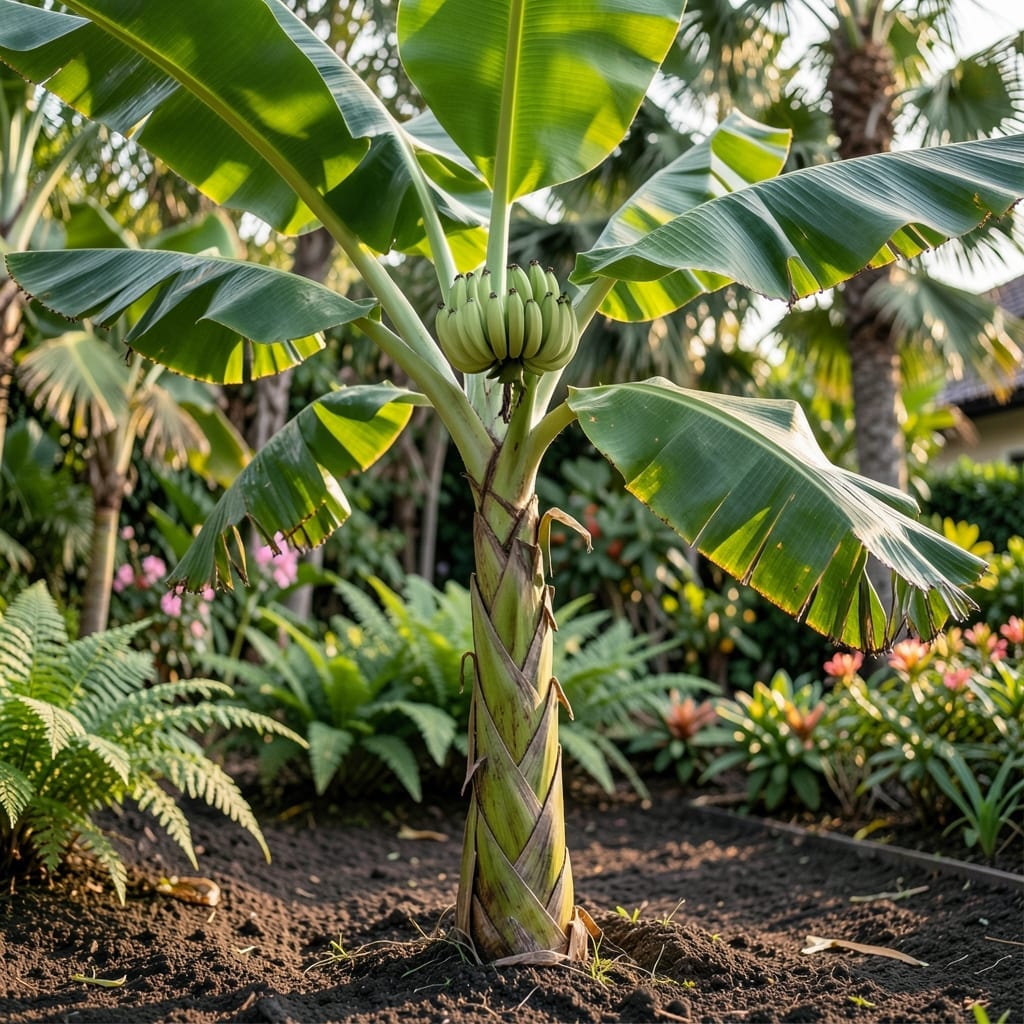
Bananas thrive in USDA zones 9-11, requiring warm climates with temperatures above 50°F, high humidity, and well-draining soil for optimal growth.
I’ve discovered these tropical plants can’t tolerate frost, which is why they flourish in regions like Florida or Southern California. The soil must stay consistently moist but never waterlogged, and wind protection helps prevent damage to their large leaves. 🔥
For container growing, dwarf varieties work best in cooler zones if brought indoors during winter. ✨
💡 In This Article
Banana plants are tropical natives that demand consistent warmth to thrive. They grow best when daytime temperatures stay between 78-86°F, with nighttime lows never dipping below 50°F. Even brief exposure to 32°F can kill the foliage, while sustained freezes will destroy the entire plant.
This is why they’re confined to USDA zones 9-11, where frost is rare or nonexistent. 🔥
The humidity sweet spot for bananas is 50-70%, mimicking their native rainforest environments. In drier climates, you’ll need to supplement with frequent misting or irrigation systems. The leaves—some growing up to 9 feet long—transpire heavily, so low humidity causes stress, stunted growth, and brown leaf edges.
Think of it like a tropical spa day: warm, moist, and sheltered from harsh winds. ✨
Soil temperature matters just as much as air temperature. Banana roots stop growing below 60°F, which is why mulching with organic material (like straw or wood chips) is critical. This insulates the soil, retains moisture, and slowly decomposes to feed the plant.
In cooler zones, black plastic mulch can absorb heat during the day and radiate it at night, extending the growing season. 🌟
Wind is another hidden enemy. Those massive leaves act like sails, and gusts over 20 mph can shred them or topple the plant. Natural windbreaks like fences, buildings, or taller vegetation are essential. In hurricane-prone areas, some growers plant bananas in clusters to provide mutual support.
Even a gentle breeze can spread fungal spores, so good air circulation is a balancing act. ⚡
For the best fruit production, bananas need 12-15 hours of sunlight daily. In zones with intense summer heat (like parts of zone 11), afternoon shade prevents leaf scorch. The ideal setup is morning sun with dappled shade later in the day, similar to the filtered light of a rainforest canopy.
This is why east-facing planting sites often outperform west-facing ones in hotter climates. 💫
No, bananas are tropical plants that can’t survive freezing temperatures. In zone 8, winter lows often dip below 20°F, which will kill banana plants. However, you can grow them in containers and move them indoors during winter.
Most banana varieties will suffer foliage damage at 32°F and die at 28°F. Cold-hardy types like Musa basjoo can survive brief dips to 10°F with proper protection, but growth will be stunted.
Dwarf varieties need 4-6 feet of space, while standard types require 10-15 feet between plants. In containers, choose a pot at least 20 inches wide. Planting too close can lead to competition for nutrients and poor air circulation.
Yes, they thrive in full sun with 12-15 hours of light daily. In extremely hot climates like zone 11, afternoon shade prevents leaf scorch. Morning sun with dappled shade later mimics their natural rainforest habitat.