
Beautiful Plants For Your Interior
Beautiful Plants For Your Interior
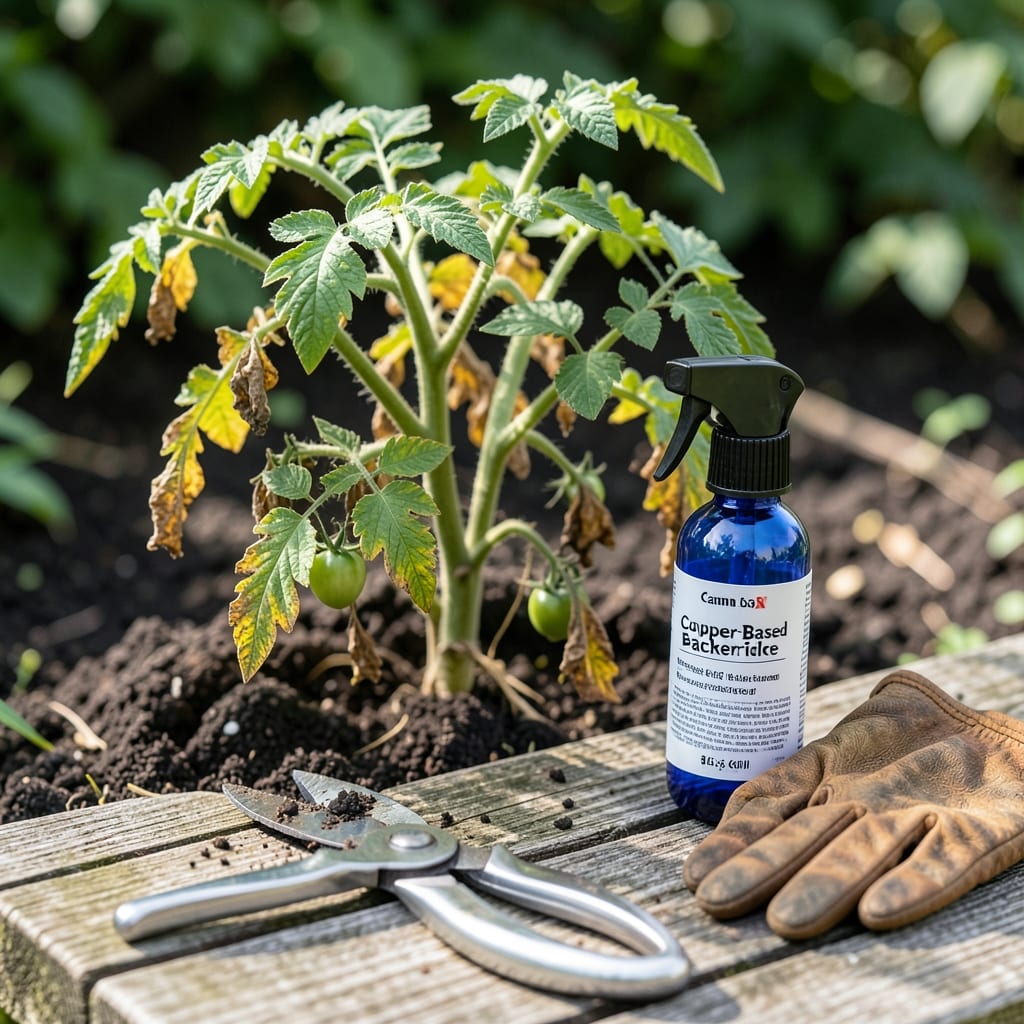
Remove and destroy infected plants immediately to prevent spread. Use copper-based bactericides for early cases, rotate crops, and plant resistant varieties. Avoid overhead watering to limit bacterial entry.
I’ve seen firsthand how this disease can devastate a garden overnight. The bacteria thrive in warm, wet soil, making early detection critical before it spreads through the entire root system. 🔥
What many don’t realize is that contaminated tools and insect vectors can carry the pathogen across long distances, so sanitation is just as important as treatment.
💡 In This Article
The primary culprit is Ralstonia solanacearum, a soil-borne bacterium that invades through roots or wounds. It thrives in warm, waterlogged soil above 75°F, multiplying rapidly and clogging a plant’s vascular system, which blocks water and nutrient flow. This is why wilted leaves often appear first in the hottest part of the day. 🔥
Transmission occurs through multiple pathways. Contaminated soil on tools or boots can spread the bacteria between garden beds. Insects like cucumber beetles carry the pathogen on their mouthparts, introducing it when they feed. Even infected seed potatoes or tomato transplants can harbor the bacteria, making sourcing from reputable suppliers critical.
Water plays a crucial role in dispersal. Overhead watering splashes soil—containing up to 10,000 bacteria per gram—onto healthy foliage, creating entry points. Rainfall can also wash contaminated soil from one area to another, especially in sloped gardens. The bacteria can survive in soil for years, lying dormant until conditions become favorable.
Environmental stress accelerates infection. Plants weakened by drought, poor nutrition, or root damage are more susceptible. For example, tomatoes grown in compacted soil with poor drainage are 3x more likely to develop symptoms than those in well-aerated beds. This is because stressed roots exude more organic compounds that attract the bacteria.
Once inside the plant, Ralstonia solanacearum produces extracellular polysaccharides that form a sticky biofilm. This biofilm clogs xylem vessels, reducing water transport efficiency by up to 80% in severe cases. The result is rapid wilting, yellowing, and eventually plant death, often within 7-10 days of initial infection. ✨
It can spread rapidly through contaminated soil, water, or tools. In warm conditions above 75°F, symptoms may appear in neighboring plants within 7-10 days. Immediate removal of infected plants is critical to prevent further spread.
Copper-based bactericides help manage early infections but won’t cure severely affected plants. They work best as a preventive measure, applied every 7-10 days during wet periods. Combine with crop rotation for better results.
Remove and destroy them immediately—do not compost. Seal in a plastic bag and discard with household trash, or burn if permitted. Clean tools with 10% bleach solution afterward to prevent contamination.
Soil solarization and neem oil show some effectiveness, but results vary. Solarization requires 4-6 weeks of heat treatment, while neem oil may help deter insect vectors. These should complement, not replace, other control methods.