
Beautiful Plants For Your Interior
Beautiful Plants For Your Interior
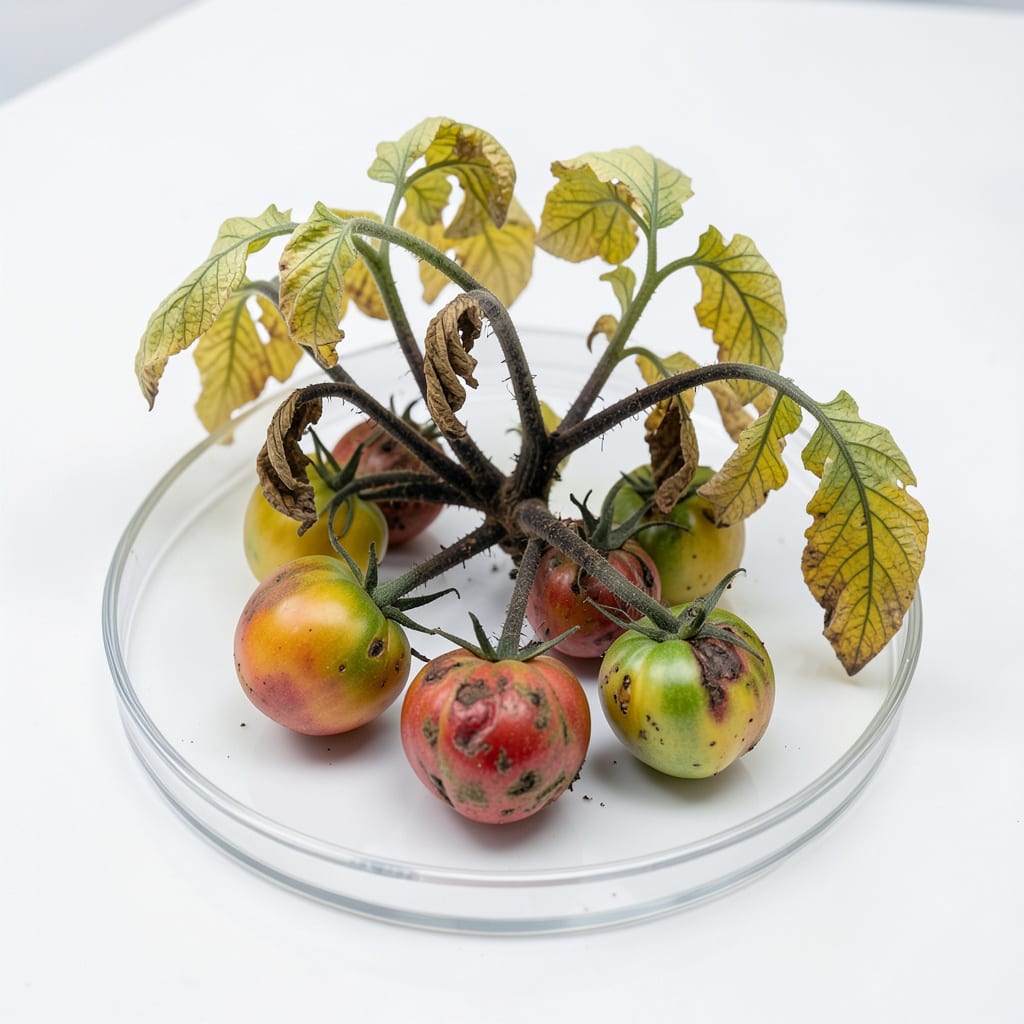
One morning your tomatoes look fine. The next, they’re wilting like they’ve given up. Bacterial wilt hits fast and hard, turning healthy plants into limp, discolored messes before you can react.
I’ve lost entire crops to this silent killer, and the worst part? It spreads through soil and water, making every plant in your garden a potential target. The stems show brown streaks inside when cut, confirming the diagnosis.
Early detection is your only advantage here. Catching it before it spreads means the difference between saving your harvest and starting over. The disease thrives in warm, wet conditions, so vigilance is key.
Prevention beats cure every time. Rotate crops, use resistant varieties, and sanitize tools between plants. It’s not foolproof, but it’s your best defense against this aggressive pathogen.
Tomato plants wilt rapidly when Ralstonia solanacearum, the bacterium behind this disease, invades their vascular system. The pathogen spreads through contaminated soil, water, or infected plant debris, blocking water flow and causing sudden collapse. Several key factors create the perfect conditions for this destructive cycle.
The bacterium thrives in warm, moist soils (75–90°F). It enters roots through natural openings or wounds, often introduced via infected tools, runoff, or transplants from contaminated nurseries. Once inside, it multiplies in the xylem, clogging vessels with bacterial ooze and plant debris.
Overhead irrigation, flooding, or poor drainage spreads the pathogen between plants. Contaminated water sources (e.g., ponds or reused irrigation) can introduce R. solanacearum to clean fields. Even splashing rain can transfer bacteria from soil to foliage, where it may enter through stomata.
Weeds like nightshade or solanaceous crops (e.g., potatoes, eggplants) can harbor the bacterium without showing symptoms. Using infected seeds, seedlings, or compost made from diseased plants introduces the pathogen to new tomato crops. Crop rotation breaks this cycle but is ineffective if the bacterium persists in soil for years.
Heat, drought, or root damage (e.g., from cultivation or nematodes) weaken plants, making them more susceptible. The bacterium exploits these stresses to colonize faster. High humidity accelerates disease spread, while compacted or waterlogged soils limit root health, giving the pathogen an advantage.
Bacterial wilt in tomatoes can feel devastating, but quick action can save your crop. Below are targeted fixes for common causes, paired with prevention tips to keep your plants healthy long-term.
If the soil harbors Ralstonia solanacearum, the bacteria behind wilt, switch to resistant tomato varieties like Hawaii 7996 or Venus. Rotate crops with non-host plants (e.g., corn or beans) for at least 3 years to break the bacteria’s lifecycle. Solarizing soil (covering with clear plastic for 4-6 weeks) can also heat-treat the top layers.
Prevention tip: 💡 Always sterilize gardening tools with rubbing alcohol after use in infected areas.
Bacteria thrive in soggy conditions. Water tomatoes at the base in the morning to allow foliage to dry. Ensure raised beds or well-draining soil to prevent waterlogging. Mulch with straw to reduce soil splashing, which can spread bacteria.
Prevention tip: 🌡️ Use drip irrigation to keep leaves dry and monitor soil moisture with a simple finger test—water only when the top inch is dry.
Pull and destroy (do not compost!) any wilted plants, including roots, to stop the bacteria from spreading. Disinfect the area with a 10% bleach solution or a copper-based fungicide, following label instructions carefully.
Prevention tip: ✨ Clean up plant debris after harvest and practice strict garden hygiene to minimize risks.
Insects like flea beetles and root-knot nematodes can carry and spread the bacteria. Use row covers early in the season to block pests, and apply nematode-resistant mulches like marigold or neem-based treatments.
Prevention tip: 🎯 Introduce beneficial nematodes (Steinernema feltiae) to target pest larvae in the soil.
Look for sudden wilting during hot days, often recovering at night. Cut the stem to check for brown streaks inside. Leaves may yellow and curl as the disease progresses.
Unfortunately, no. Remove and destroy infected plants immediately to prevent spread. Never compost them. Use a 10% bleach solution to clean the area afterward.
Rotate crops with non-host plants like corn for 3 years. Use resistant varieties like Hawaii 7996. Always sterilize tools and avoid overhead watering.
