
Beautiful Plants For Your Interior
Beautiful Plants For Your Interior
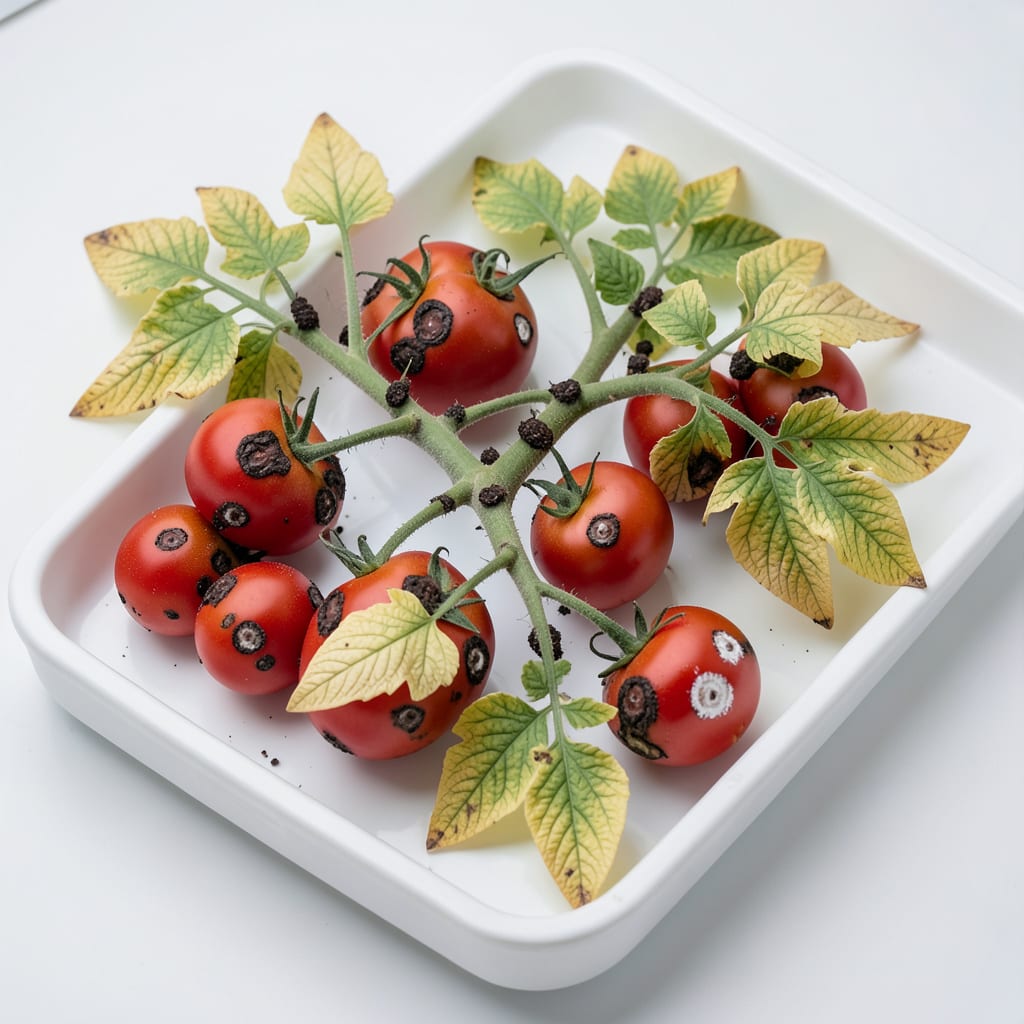
Bacterial canker hit my tomato patch two seasons ago. Healthy plants one day, wilted and spotted the next—it spreads fast and leaves you with stunted, unproductive vines if you don’t act.
I learned the hard way that prevention beats treatment. Clean tools, resistant varieties, and good airflow make all the difference. Once it takes hold, you’re playing defense with pruning and copper sprays.
This isn’t about saving a single plant—it’s about protecting your entire crop. Early action means the rest of your garden stays safe and your harvest stays on track.
Works for backyard growers and container gardeners alike. Here’s how to keep your tomatoes thriving.
Bacterial canker on tomato plants is triggered by the pathogen Clavibacter michiganensis subsp. michiganensis, which thrives under specific environmental and cultural conditions. Below are the primary causes, explained in scientific detail to help you understand and mitigate the risk.
The most common source of infection is contaminated seed or young seedlings. The bacterium can survive internally in seeds or on their surface, remaining dormant until conditions favor its growth. Even asymptomatically infected seedlings can introduce the pathogen into your garden or greenhouse. Always source seeds and seedlings from certified disease-free suppliers to minimize this risk.
Overhead irrigation and excessive moisture create ideal conditions for bacterial spread. Splashing water disperses the bacterium from infected plants to healthy ones, while prolonged leaf wetness encourages bacterial entry through natural openings or wounds. Drip irrigation and proper spacing between plants reduce humidity and limit pathogen transmission.
Wounds from pruning, staking, or even wind damage provide entry points for C. michiganensis. The bacterium invades through these breaks in the plant’s protective outer layer, leading to systemic infection. Sanitize tools with a 10% bleach solution between uses, and handle plants gently to avoid unnecessary injury.
Cool, wet weather (60–75°F) accelerates bacterial growth and disease development. Stress from temperature swings or sudden cold snaps weakens tomato plants, making them more susceptible to infection. Using row covers during unpredictable weather can help stabilize conditions and reduce stress-related vulnerability.
Stopping bacterial canker starts with quick action and consistent care. Below are targeted fixes for each common cause, paired with prevention tips to keep your tomato plants thriving. 🌱
If the disease originated from contaminated seeds or seedlings, remove and destroy affected plants immediately to prevent spread. Fix: Purchase certified disease-free seeds or seedlings from reputable suppliers. Soak seeds in a 10% bleach solution (1 part bleach to 9 parts water) for 1 minute, then rinse thoroughly before planting. Prevention: Always sanitize tools, trays, and pots with a bleach solution (1 part bleach to 9 parts water) between uses. 💡
Bacterial canker thrives in moist conditions. Fix: Water at the base of the plant using drip irrigation or a soaker hose to keep leaves dry. If overhead watering is unavoidable, do it early in the day so foliage dries quickly. Prevention: Space plants at least 18–24 inches apart to improve airflow. Prune lower leaves to reduce humidity around the stem. ✨
Dirty tools spread bacteria from plant to plant. Fix: Disinfect pruners, stakes, and ties with rubbing alcohol (70% isopropyl) or a bleach solution after each use. Prevention: Designate specific tools for tomato plants and avoid using them on other crops without cleaning. 🎯
Weeds and plant debris harbor bacteria. Fix: Remove and destroy all infected plant material—do not compost. Clear weeds and fallen leaves around the base of plants. Prevention: Mulch with straw or wood chips to suppress weeds and reduce soil splashing onto leaves. 🌡️
Bacteria linger in the soil. Fix: Rotate tomatoes with non-host crops like beans or corn for at least 2–3 years. Prevention: Avoid planting tomatoes or other solanaceous crops (peppers, eggplants) in the same spot year after year. ⏰
Remove and destroy severely infected plants immediately to prevent spread. Early cases may be pruned, but disinfect tools with 10% bleach solution after each cut. Never compost infected material.
Start with certified disease-free seeds and seedlings. Practice 3-year crop rotation, avoid overhead watering, and space plants 18–24 inches apart for airflow.
Copper-based sprays can help manage the disease. Apply at first sign of symptoms and repeat every 7–10 days during wet weather. Always follow label instructions.
Watch for small, water-soaked spots on leaves that turn brown with yellow halos. Stems may develop cankers, and fruit can show bird’s-eye spots. Act quickly at first symptoms.
