
Beautiful Plants For Your Interior
Beautiful Plants For Your Interior
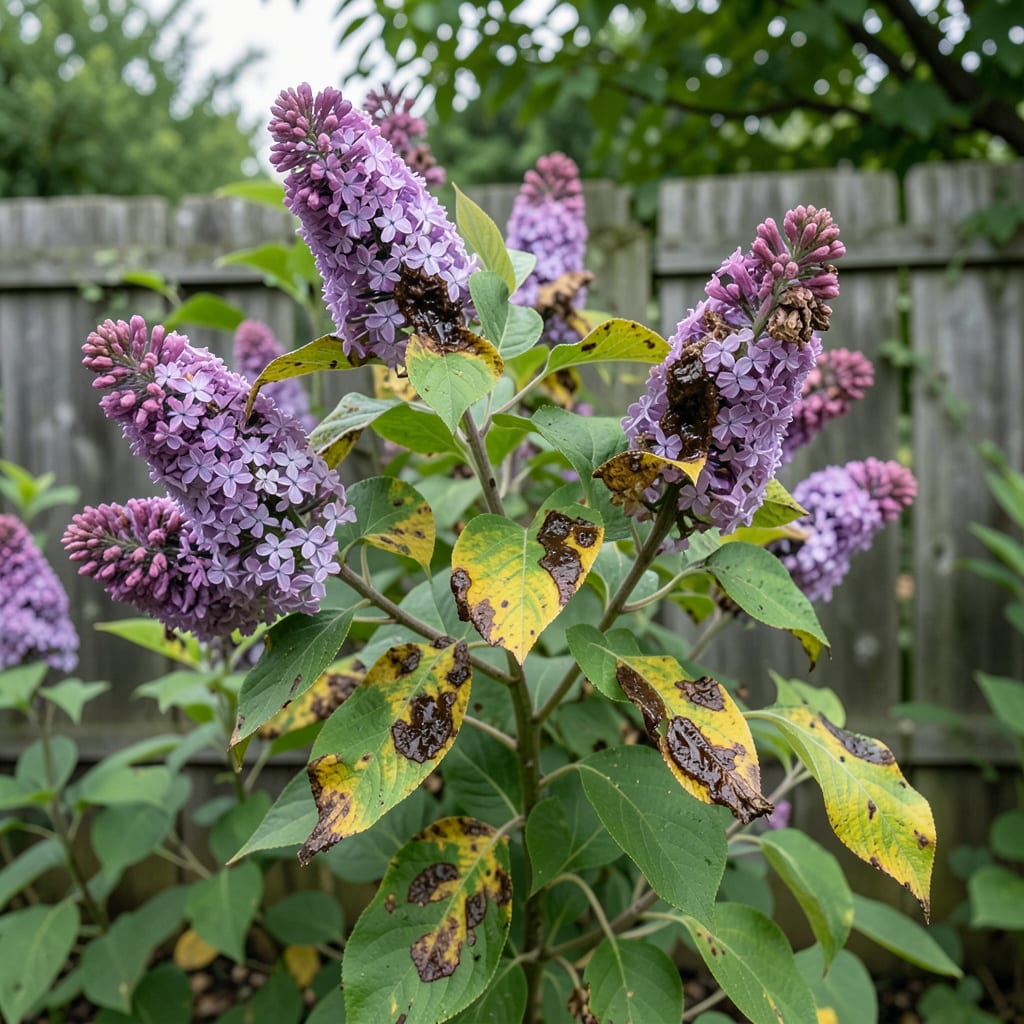
Spotted brown leaves on your lilac this spring? I’ve been there—watching healthy blooms turn crisp overnight. Bacterial blight hits fast, but catching it early saves the plant.
This sneaky disease thrives in wet conditions, spreading through pruning tools and rain. The first sign is water-soaked spots on leaves, then wilting shoots. Left unchecked, it can defoliate a bush in 2-3 weeks.
Here’s the thing—organic fixes work if you act quickly. Prune infected branches 6 inches below visible damage, disinfect tools, and improve airflow. Copper sprays help, but prevention is key.
With the right steps, your lilac can bounce back next season. The blooms will return, and you’ll spot the warning signs sooner next time.
Bacterial blight on lilacs is primarily caused by the pathogen Pseudomonas syringae, a bacterium that thrives in cool, wet conditions. Understanding its triggers helps prevent and manage outbreaks effectively.
The bacterium spreads most aggressively during spring and fall when temperatures hover between 50–75°F (10–24°C) and rainfall is frequent. Moisture softens plant tissues, creating entry points for the bacteria through natural openings or wounds.
Dense plantings or overgrown lilac bushes trap humidity, fostering an ideal environment for P. syringae to multiply. Pruning to improve airflow reduces prolonged leaf wetness, a key factor in infection.
Using unsterilized pruning shears spreads the bacteria between plants. Even minor cuts from improper pruning (e.g., during wet conditions) invite infection. Always disinfect tools with 70% isopropyl alcohol between cuts.
Watering from above wets foliage, encouraging bacterial growth. Switch to drip irrigation or water at the base to keep leaves dry, especially in the evening when moisture lingers longer.
Some cultivars, like Syringa vulgaris (common lilac), are more vulnerable. Plant resistant varieties (e.g., Syringa meyeri) or prioritize vigilant care for high-risk types.
Bacterial blight can be stubborn, but with the right approach, you can nurse your lilacs back to health. Here’s how to tackle the most common causes and keep your plants thriving.
If you spot dark, water-soaked spots or wilting leaves, act fast. Use sterile pruning shears to remove infected branches at least 6 inches below the damaged area. Disinfect tools with rubbing alcohol between cuts to avoid spreading bacteria. Burn or trash the infected material—do not compost it.
Bacteria thrive in damp, crowded conditions. Thin out dense growth by pruning inner branches to boost airflow. Space plants at least 5–6 feet apart, and avoid overhead watering. Water at the base early in the day so foliage dries quickly. A small fan can help in humid climates!
For active infections, use a copper fungicide/bactericide (like Bordeaux mixture) at the first sign of trouble. Spray thoroughly in early spring and after pruning, following label instructions. Reapply every 7–10 days during wet weather. Note: Copper can build up in soil, so use sparingly and alternate with organic options like neem oil.
Healthy lilacs resist disease better. Fertilize lightly with a balanced organic formula in early spring, and mulch with compost to improve soil drainage. Avoid high-nitrogen fertilizers, which promote tender, blight-susceptible growth. Keep the area weed-free to reduce competition for nutrients.
💡 Prevention Tips: Always disinfect pruning tools, choose blight-resistant lilac varieties (like Syringa meyeri), and remove fallen leaves/debris in autumn to eliminate overwintering bacteria.
Look for water-soaked spots on leaves that turn brown or black. Shoots may wilt suddenly and develop dark streaks. In severe cases, entire branches die back.
Prune during dry weather, removing branches 6 inches below visible damage. Always sterilize tools with 70% isopropyl alcohol between cuts.
Copper sprays are most effective, but a baking soda solution (1 tablespoon per gallon of water) can help mildly. Avoid DIY mixes during peak heat to prevent leaf burn.
With prompt treatment and good care, most lilacs bounce back the following year. Remove all infected material and improve growing conditions to prevent recurrence.
