
Beautiful Plants For Your Interior
Beautiful Plants For Your Interior
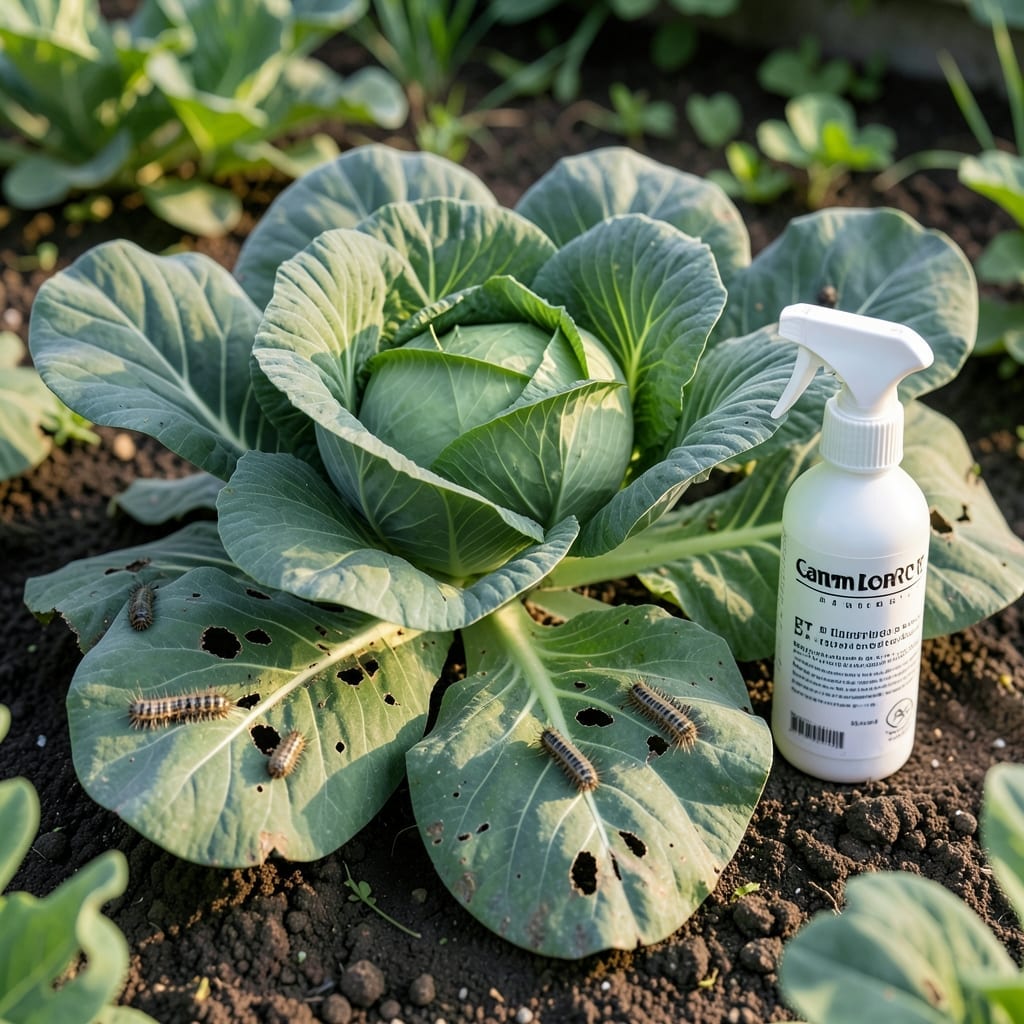
Bacillus thuringiensis is a natural, soil-dwelling bacterium that produces proteins toxic to specific insects like caterpillars and beetles, making it an effective organic pesticide for gardens.
I love how this works at a biological level—it produces Cry toxins that disrupt the digestive systems of target pests when ingested. This specificity means it won’t harm beneficial insects like bees or ladybugs, making it a garden-friendly option. The safety for humans and plants is another reason I recommend it for organic pest control. ✨
For best results, apply it during the early morning or evening when pests are most active, and reapply after rain. 💫
💡 In This Article
The magic happens through Cry proteins—toxic crystals produced during the bacterium’s sporulation phase. When caterpillars or beetles ingest these proteins, the alkaline conditions in their gut activate the toxins. 🔥
These activated proteins bind to specific receptors in the insect’s midgut, creating pores that disrupt cell membranes. This causes the gut wall to break down within 24-48 hours, leading to paralysis and death. The specificity comes from these receptors being unique to certain insect orders.
What’s remarkable is how harmless it is to non-target species. Humans, pets, and beneficial insects lack these specific gut receptors, so the proteins pass through harmlessly. Plants absorb none of it, making it ideal for organic gardens. ✨
The bacterium itself is naturally occurring in soil worldwide. Commercial products contain concentrated spores and crystals of particular strains, each targeting different pests. For example, Bt kurstaki works best against caterpillars while Bt israelensis targets mosquito larvae.
Environmental conditions affect its efficacy. The proteins degrade quickly in sunlight and break down within 1-4 days after application. This short persistence means timing applications to coincide with pest feeding cycles is crucial for maximum effectiveness. 🌟
You’ll typically see results within 24-48 hours of application. The pests stop feeding almost immediately after ingesting the proteins, with full effect visible as they become paralyzed and die.
It’s one of the few pesticides approved for organic farming. The natural bacterium breaks down quickly and doesn’t persist in the environment or accumulate in soil.
It’s most effective against caterpillars, worms, and some beetles. Different strains target specific pests—Bt kurstaki for caterpillars or Bt israelensis for mosquitoes. Always check the product label.
Yes, it’s safe for all plants including vegetables, fruits, and ornamentals. Focus application on plants pests are actively feeding on for best results.
The proteins only bind to receptors in specific insect guts. Beneficial insects like bees lack these receptors, so they’re unaffected. This selectivity makes it unique among pesticides.