
Beautiful Plants For Your Interior
Beautiful Plants For Your Interior
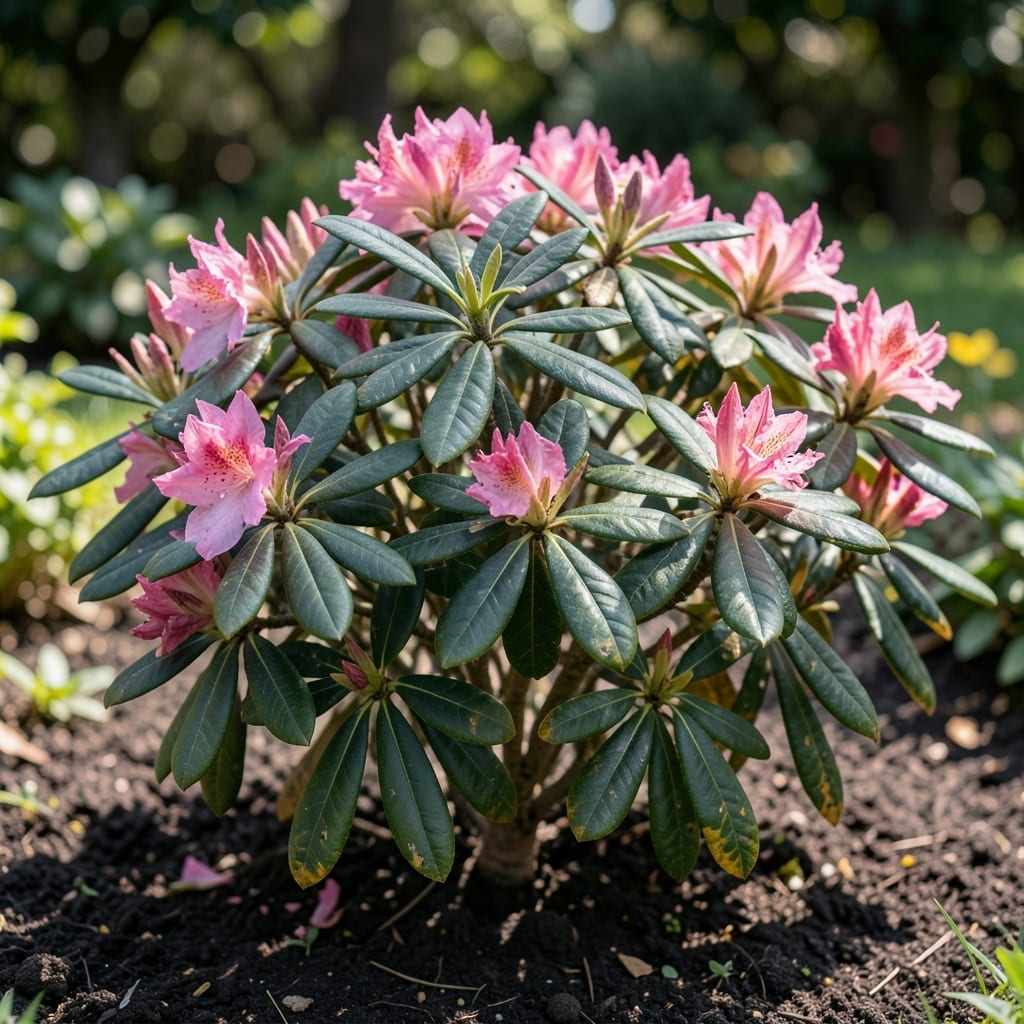
Yellow leaves on azaleas always make my stomach drop. I’ve lost count of how many times I’ve misdiagnosed this—overwatering, pests, you name it. Turns out, iron chlorosis is the usual suspect when those leaves turn pale with green veins.
The soil pH is often the culprit. Azaleas need acidic conditions to absorb iron properly, and when the pH drifts too high, they starve even if iron is present. A simple soil test kit can confirm this in 10 minutes.
Fixing it isn’t complicated. Iron supplements or elemental sulfur can bring the pH back down, and you’ll see greener leaves within 2-3 weeks. Prevention is easier, though—mulch with pine needles to keep the soil naturally acidic.
Don’t just treat the leaves—address the root cause. That’s how you keep your azaleas thriving for years, not just seasons.
Azalea leaves turn yellow primarily due to environmental and nutritional stressors. Below are the most common causes, explained scientifically for clarity and action.
Iron chlorosis occurs when azaleas cannot absorb sufficient iron from the soil, even if iron is present. This is most common in alkaline soils (pH above 6.5), where iron becomes insoluble and unavailable to the plant. Azaleas, as acid-loving plants, thrive in soils with a pH of 4.5 to 6.0. When the pH rises, iron uptake is blocked, leading to interveinal chlorosis—yellowing between leaf veins while veins stay green.
High soil pH (alkaline conditions) is the leading cause of iron chlorosis in azaleas. This can result from hard water irrigation, excessive limestone in the soil, or improper amendments. Conversely, extremely low pH (below 4.5) can also stress the plant, though it rarely causes yellowing directly. Testing soil pH with a kit is the first step to diagnosing the issue.
Soggy soil suffocates azalea roots, reducing their ability to absorb nutrients, including iron. This often leads to generalized yellowing (not just interveinal) and wilting. Azaleas prefer moist but well-draining soil. Compacted or clay-heavy soils can exacerbate this problem.
While iron is the most common culprit, deficiencies in nitrogen, magnesium, or zinc can also cause yellowing. Nitrogen deficiency typically affects older leaves first, turning them uniformly yellow. Magnesium deficiency often appears as yellowing between veins on older leaves, similar to iron chlorosis but starting at the leaf edges.
If your azalea’s leaves are yellow with green veins, it’s likely iron chlorosis. Apply chelated iron (look for iron sulfate or EDDHA iron) as a soil drench or foliar spray. Follow the package instructions for dosage—usually 1 tablespoon per gallon of water for soil application. For a quick boost, mix ½ teaspoon of chelated iron in a spray bottle and mist the leaves directly. Reapply every 2–4 weeks during the growing season.
Prevention tip: 💡 Keep soil pH between 4.5 and 6.0—azaleas thrive in acidic conditions. Test your soil annually and amend with sulfur or peat moss if the pH climbs too high.
Yellow leaves with drooping or mushy stems signal overwatering. Stop watering immediately and let the top 1–2 inches of soil dry out. If the pot lacks drainage, repot your azalea in a container with drainage holes, using a well-draining, acidic potting mix. For in-ground plants, improve drainage by mixing in compost or perlite.
Prevention tip: ✨ Water only when the top inch of soil feels dry. Use a moisture meter if unsure—azaleas prefer consistently moist but not soggy soil.
Yellowing leaves across the plant (not just new growth) may indicate a nitrogen or magnesium deficiency. Fertilize with an acid-loving plant formula (e.g., 10-8-6 or 12-4-8) every 4–6 weeks during spring and summer. For magnesium, sprinkle 1 tablespoon of Epsom salt per gallon of water around the base monthly.
Prevention tip: 🎯 Avoid high-pH fertilizers like lime. Stick to slow-release, acidic formulations and fertilize lightly but regularly.
Inspect the undersides of leaves for spider mites, lace bugs, or aphids. Blast them off with water or apply neem oil (1 tablespoon per gallon of water) weekly until pests are gone. For fungal issues (e.g., root rot), remove affected leaves and treat with a copper fungicide.
Prevention tip: 🌡️ Improve airflow around plants and avoid overhead watering to discourage fungal growth.
Use a simple soil test kit from any garden center. Collect samples from 4-6 inches deep near the roots for accurate results. Kits cost about $10-15 and give readings in 10 minutes.
Yes, soggy soil prevents roots from absorbing iron and other nutrients. Look for drooping leaves or mushy stems as signs. Let soil dry to 1-2 inches deep between waterings.
Apply chelated iron as a foliar spray for quick absorption. Mix ½ teaspoon in a spray bottle and coat leaves evenly. Results appear within 1-2 weeks.
Only if magnesium is the issue. Use 1 tablespoon per gallon of water monthly for deficiency. For iron-related yellowing, chelated iron works better.