
Beautiful Plants For Your Interior
Beautiful Plants For Your Interior
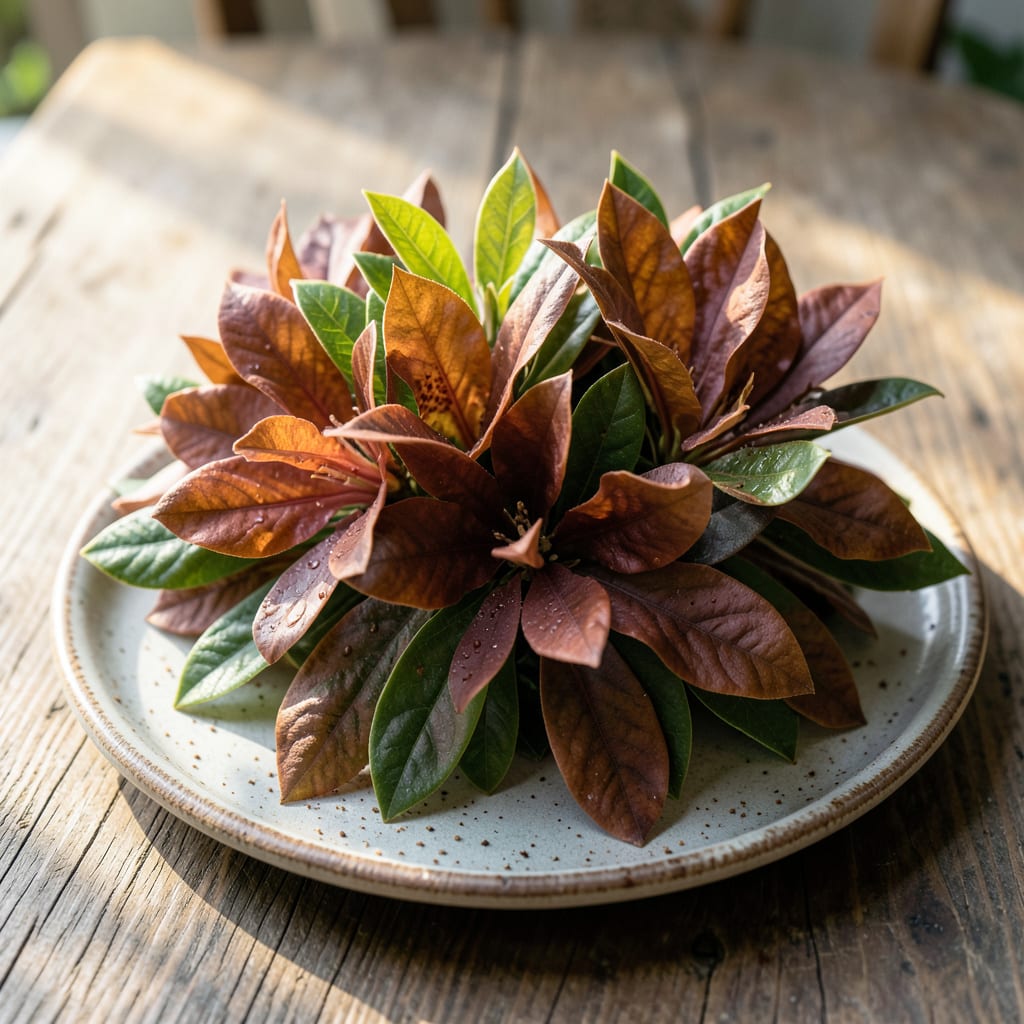
Nothing sinks a gardener’s heart like watching azalea leaves turn reddish brown. I’ve seen this happen overnight in my own garden, and the culprit is usually hiding in plain sight.
The shift in color often signals stress—too much sun, not enough water, or soil that’s thrown off balance. Most cases trace back to environmental factors, not disease, so the fix is simpler than you might think.
You’ll notice the change first on the outer leaves, then spreading inward. Catch it early, and a few adjustments can bring that vibrant green back within weeks.
Works for potted azaleas, garden beds, and even well-established shrubs. Here’s how to diagnose and turn it around.
Azalea leaves turning reddish-brown typically signal underlying stress. Here are the most common causes, explained scientifically:
Azaleas thrive in 60–70°F (15–21°C) ranges. Exposure to cold drafts (below 40°F/4°C) or heat spikes (above 85°F/29°C) disrupts chlorophyll production, triggering anthocyanin pigments (red/brown hues) as a stress response. Frost damage may also cause necrotic (dead) tissue.
Overwatering suffocates roots, reducing oxygen uptake and leading to root rot (Phytophthora spp.), which blocks nutrient transport. Underwatering causes cellular dehydration, forcing leaves to curl and darken. Both extremes impair photosynthesis, turning foliage reddish-brown.
Azaleas prefer partial shade. Prolonged direct sun (especially in summer) triggers photoinhibition, where chlorophyll breaks down faster than it’s replenished. UV radiation also increases oxidative stress, accelerating pigment changes.
A lack of magnesium ( essential for chlorophyll) or iron (critical for enzyme function) causes interveinal chlorosis (yellowing between veins), often progressing to reddish-brown. Test soil pH—azaleas need 4.5–6.0 for optimal nutrient uptake.
Pro tip: 💡 Iron deficiency is common in alkaline soils; amend with sulfur or chelated iron.
Azalea leaves turning reddish-brown often signal environmental stress, but the right fixes can restore their vibrant green. Below are targeted solutions for the most common causes, each paired with prevention tips to keep your azaleas thriving.
Fix: Move potted azaleas to a shaded area or provide afternoon shade for in-ground plants. Water deeply in the early morning to cool the roots and reduce stress. Mulch with 2–3 inches of organic material (like pine bark) to retain moisture.
Prevention: Plant azaleas in partial shade (4–6 hours of morning sun) and avoid south- or west-facing locations with intense afternoon heat.
Fix: Check soil moisture 1–2 inches deep—if bone-dry, water thoroughly; if soggy, improve drainage by amending soil with compost or sand. For potted azaleas, ensure pots have drainage holes.
Prevention: Water when the top inch of soil feels dry. Use a moisture meter for precision, and avoid overhead watering to prevent fungal issues.
Fix: Test soil pH (azaleas prefer 4.5–6.0). If too alkaline (above 6.5), apply sulfur or a pH-lowering fertilizer. For quick correction, use chelated iron to address nutrient lockout.
Prevention: Use acidic fertilizers (like those for azaleas/camellias) and top-dress with peat moss or pine needles annually to maintain acidity.
Fix: Prune affected leaves and branches (sterilize tools with rubbing alcohol). Apply a copper-based fungicide or neem oil, following label instructions. Improve air circulation by thinning dense foliage.
Prevention: Space plants 3–4 feet apart, water at the base (not leaves), and remove fallen debris to reduce fungal spores.
Fix: Apply a balanced, acid-loving plant fertilizer (e.g., 10-10-10 for azaleas) or a slow-release formula. For iron deficiency (yellowing with green veins), use iron sulfate or a foliar spray.
Prevention: Fertilize in early spring and late fall, and avoid high-nitrogen formulas that can disrupt pH.
With these adjustments, your azaleas should bounce back—just monitor leaves for improvement over 2–4 weeks!
No, with proper care most leaves will recover. New growth should emerge green within 2-4 weeks of correcting the issue. Severely damaged leaves may drop, but this is normal.
Use a home testing kit from any garden center. For azaleas, ideal pH is 4.5-6.0. Results appear in minutes and cost under $15.
Only if your water isn’t alkaline. Hard water raises soil pH over time. Collect rainwater or use distilled water for best results.
Only if they’re completely dead. Partially affected leaves can still photosynthesize. Trim with clean shears to prevent disease spread.
