
Beautiful Plants For Your Interior
Beautiful Plants For Your Interior
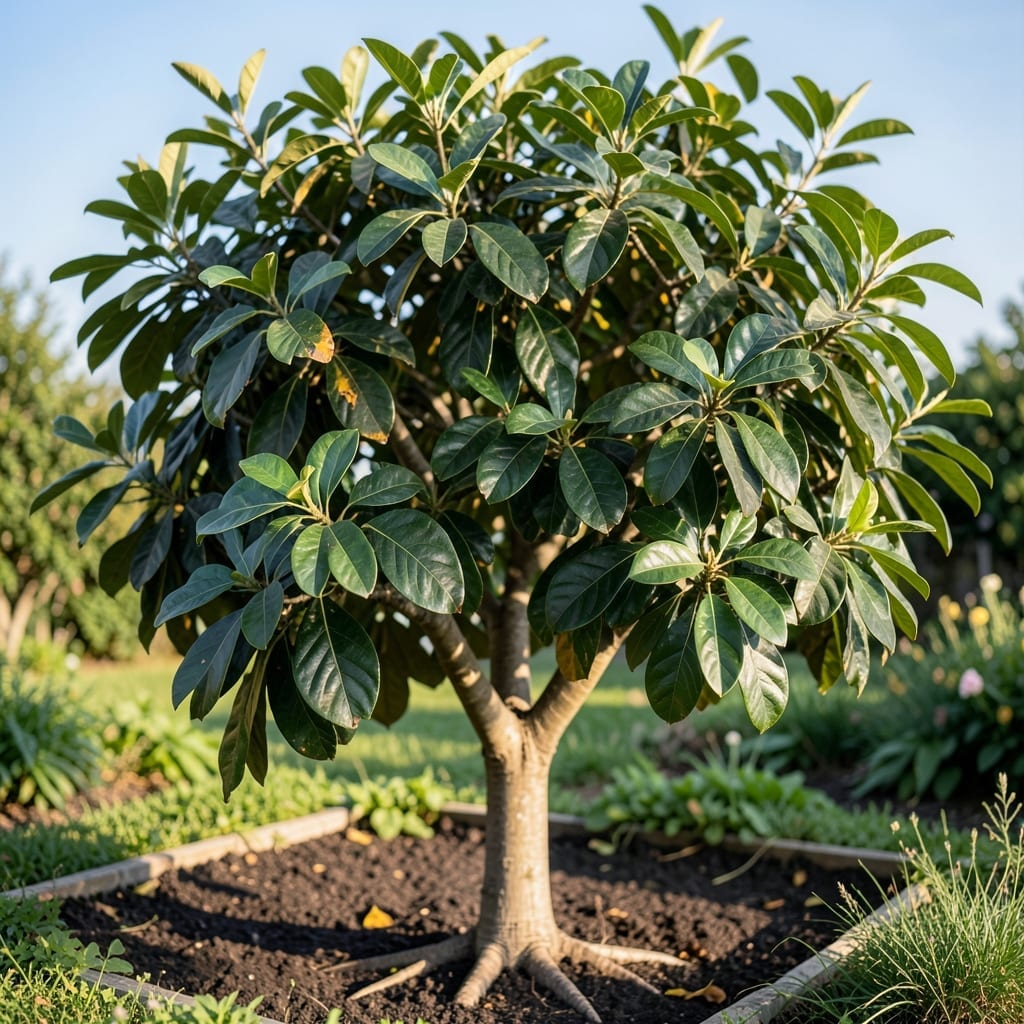
Yellow leaves on an avocado plant always signal something’s wrong. I’ve seen this happen too many times—usually from overwatering or nutrient issues.
Here’s the thing—most gardeners assume it’s underwatering, but 90% of the time it’s the opposite. Soggy roots can’t absorb nutrients, and the leaves turn yellow as a cry for help.
Solving it starts with a simple soil check. Stick your finger in the pot—if it feels damp an inch down, hold off on watering. This one habit saved most of my struggling plants.
With the right adjustments, those leaves will green up within 2-3 weeks. The key is catching it early and acting fast.
Avocado trees develop yellow leaves when their balance of water, nutrients, or light is disrupted. Below are the most common triggers, each backed by plant physiology.
Excess water suffocates roots, reducing oxygen uptake and causing root rot. Fungal pathogens like Phytophthora thrive in soggy soil, blocking nutrient transport. As roots die, the tree can’t absorb magnesium and iron, leading to chlorosis (yellowing between leaf veins).
When soil is too dry, roots can’t take up enough water to support photosynthesis. The tree prioritizes survival by shedding older leaves, which turn yellow as chlorophyll breaks down. Tip: Check soil moisture 2 inches deep—dryness there signals thirst.
Avocados need a steady supply of nitrogen (for overall growth), zinc (for enzyme function), and iron (for chlorophyll production). A lack of any of these triggers uniform or interveinal yellowing. Sandy or alkaline soils often lock out these micronutrients, even if they’re present.
Avocados crave 6–8 hours of sunlight daily. Insufficient light slows photosynthesis, reducing chlorophyll and causing pale, yellow leaves. Conversely, sunburn from sudden intense exposure (e.g., moving a potted plant outdoors) can scorch leaves, turning them yellow or brown.
Sap-sucking pests like spider mites and aphids drain the tree’s resources, while root-knot nematodes damage roots, impairing water and nutrient uptake. The stress weakens the tree, manifesting as yellow, stunted leaves. Inspect leaf undersides for webbing or sticky residue (honeydew).
When your avocado plant starts showing yellow leaves, the fix often depends on the root cause. Below are practical solutions tailored to common issues, along with prevention tips to keep your plant thriving.
Fix: Let the soil dry out completely between waterings. If the pot lacks drainage holes, repot your avocado into a container with proper drainage. Trim any black, mushy roots to prevent rot from spreading.
Prevention: Use a well-draining potting mix (e.g., cactus or citrus blend) and water only when the top 1-2 inches of soil are dry. 💡 Pro tip: Stick your finger in the soil to check moisture—it’s the most reliable method!
Fix: Use a balanced, water-soluble fertilizer (10-10-10 or 20-20-20) every 2-4 weeks during the growing season. For nitrogen deficiency (pale yellow leaves), opt for a higher-nitrogen formula. Apply according to package instructions.
Prevention: Feed your avocado regularly during spring and summer, and reduce frequency in fall and winter. ✨ Bonus: Add compost to the soil annually for a slow-release nutrient boost.
Fix: Move your plant to a brighter spot where it gets 6-8 hours of sunlight daily. South- or west-facing windows are ideal. If natural light is limited, supplement with a grow light (LED or fluorescent) for 10-12 hours a day.
Prevention: Rotate the plant every few weeks to ensure even light exposure. 🎯 Note: Avoid sudden light changes—acclimate your plant gradually to prevent stress.
Fix: Wipe leaves with a damp cloth to remove pests like spider mites or aphids. For stubborn infestations, spray with neem oil or insecticidal soap (1 tbsp per quart of water) every 5-7 days until pests are gone.
Prevention: Inspect leaves regularly (especially undersides) and keep the plant clean. Isolate new plants for 2-3 weeks to prevent pest spread.
Fix: Keep your avocado in a stable environment (60-85°F). If exposed to cold drafts or heat sources, move it to a more controlled area. Use a space heater or fan to regulate temperature if needed.
Prevention: Avoid placing the plant near AC vents, radiators, or drafty windows. 🌡️ Pro tip: A simple indoor thermometer can help you monitor conditions.
Water when the top 1-2 inches of soil feel dry. Typically, this means every 7-10 days for potted plants. Overwatering is the most common cause of yellow leaves, so always check moisture first.
Once leaves turn yellow, they won’t regain their green color. However, fixing the underlying issue will allow new healthy growth. Remove severely yellowed leaves to redirect energy to new foliage.
Use a balanced 10-10-10 or 20-20-20 water-soluble fertilizer every 2-4 weeks in growing season. For iron or zinc deficiencies, add chelated micronutrient supplements.
Yes, if light is the issue. Avocados need 6-8 hours of sunlight daily. Acclimate gradually to prevent sunburn, moving it 1-2 hours more per day until it adjusts.