
Beautiful Plants For Your Interior
Beautiful Plants For Your Interior
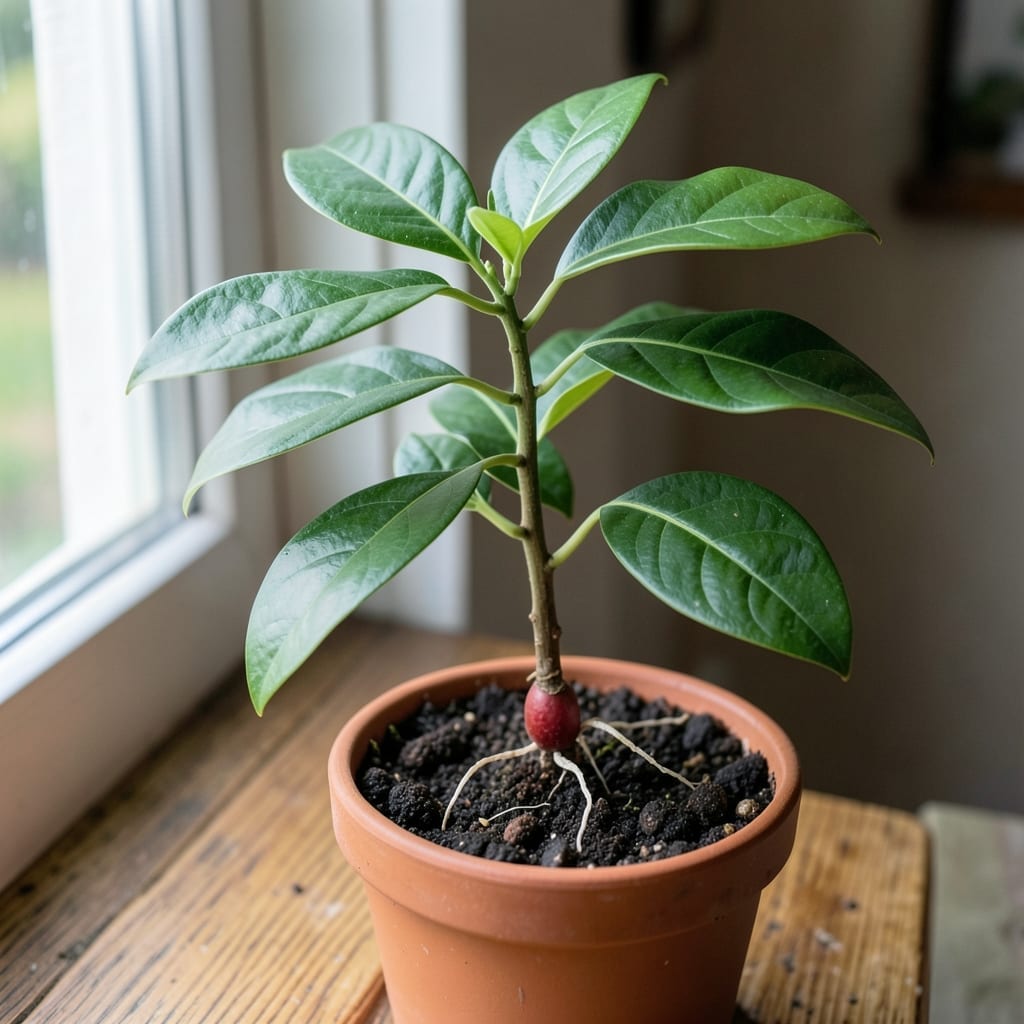
That first red avocado pit in my kitchen window changed everything. I went from tossing seeds to watching roots unfurl in 2-3 weeks, then a sprout shooting upward like it had somewhere important to be.
It’s shocking how little you need: one pit, three toothpicks, and a glass of water. The real magic happens when you see that first crack appear, revealing the brown outer shell splitting open to expose the lighter seed inside.
Within 6 months, you’ll have a leafy plant that’s already outgrown its first pot. The leaves start small and deep green, then expand into those glossy, tropical-looking fronds that make strangers stop and ask about it.
Works in any home with decent light, and the process is nearly foolproof if you change the water weekly. Here’s how to start yours today.
The red or pinkish tint in an avocado seed typically stems from natural pigments and environmental factors during growth. Here’s why it happens:
Avocado seeds contain anthocyanins, water-soluble pigments that produce red, purple, or blue hues in plants. These compounds activate when exposed to light (especially UV) or temperature fluctuations during the seed’s development inside the fruit. Think of it as the plant’s built-in sunscreen—protecting the seed from stress while giving it that striking color.
Some avocado varieties (like Hass or Fuerte) are more prone to red seeds due to their genetic makeup. If the parent tree carried genes for anthocyanin production, the seed is likely to inherit that trait. This is why you might notice red seeds more often in certain avocados than others.
Seeds may turn redder if the fruit experienced cold snaps, drought, or nutrient deficiencies while maturing on the tree. These stressors trigger anthocyanin production as a defensive response. Even post-harvest, storing avocados in cool, dark places can deepen the seed’s color over time.
Pro tip: If your avocado seed is vibrant red, it’s often a sign of a healthy, resilient pit—perfect for growing! 🌿
If your avocado seed has turned red, don’t panic—this is often a sign of stress or environmental factors. Below are practical solutions to revive your seed and get your future tree back on track.
Reddening can occur if the seed is exposed to direct, harsh sunlight for extended periods. Move it to a spot with bright, indirect light (like a north-facing windowsill). If growing outdoors, use a shade cloth to filter intense rays. Prevention tip: Gradually acclimate the seed to sunlight over a week to avoid shock.
Soggy conditions can cause discoloration and rot. If the seed is waterlogged, remove it from water/soil and let it dry for 24 hours. Replant in fresh, well-draining soil or a clean glass of water (change water every 3–4 days). Prevention tip: Use a pot with drainage holes and water only when the top inch of soil feels dry.
Avocado seeds thrive in 60–80°F (15–27°C). If your seed is near a cold draft or heat source (like a radiator), move it to a stable, room-temperature location. Prevention tip: Avoid placing seeds in unheated garages or near AC vents.
A lack of nutrients can stress the seed, leading to color changes. Once sprouted, use a diluted, balanced fertilizer (half-strength) every 4–6 weeks. Prevention tip: Start with nutrient-rich potting mix to give your seed a head start.
Pro tip 💡: If the redness spreads or the seed smells foul, it may be beyond saving—start fresh with a new pit and adjust your care routine!
It’s normal! The red or pink hue comes from natural pigments called anthocyanins, which develop in response to light or stress during growth. This often indicates a healthy, resilient seed.
Not at all—unless it smells foul or feels mushy. A vibrant red seed is often ideal for growing, as it suggests strong genetic traits and stress resistance.
Red seeds germinate just like brown ones. Follow standard steps: clean, insert toothpicks, and place in water with the pointy end up. Roots may appear in 2-3 weeks.
Check for excess moisture or poor light. Move to bright, indirect sunlight and ensure proper drainage. If it smells bad, discard it and start fresh.