
Beautiful Plants For Your Interior
Beautiful Plants For Your Interior
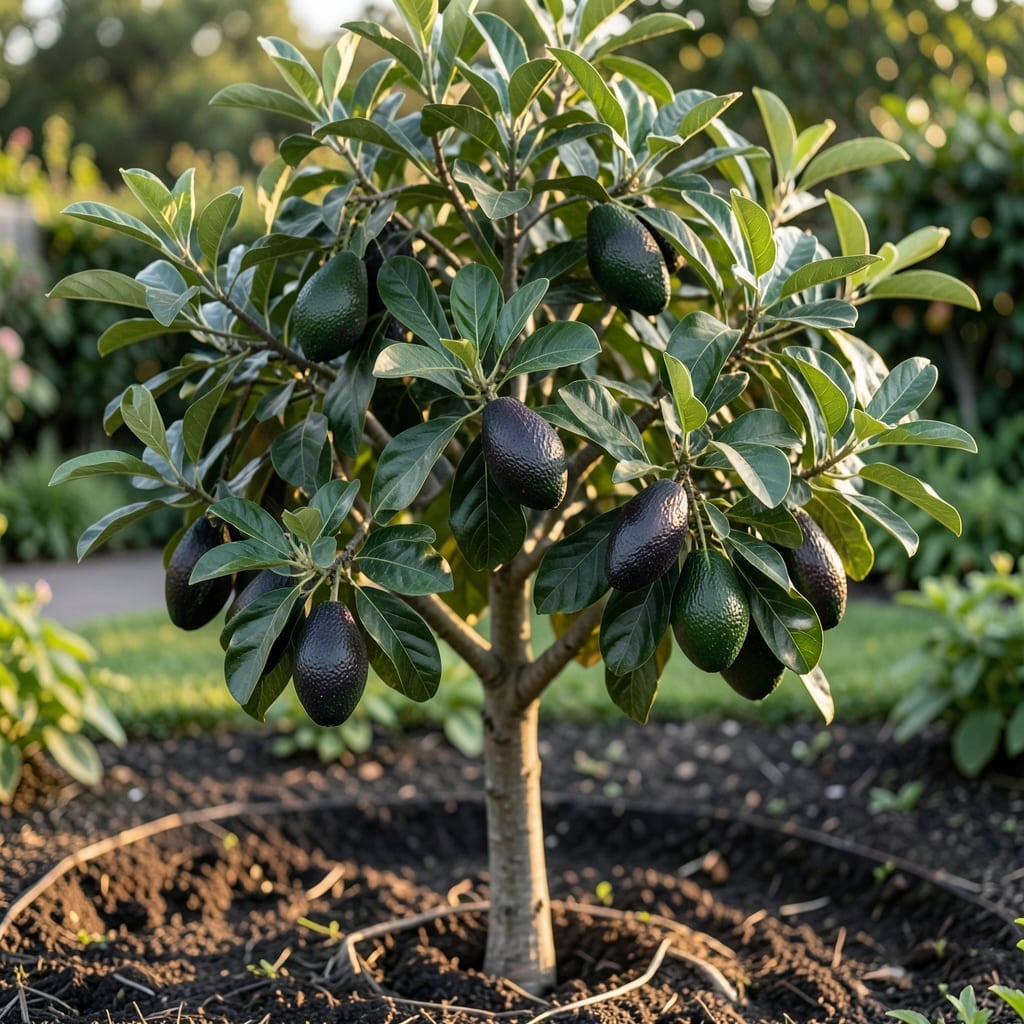
Planning to grow a Hass Avocado Tree 🥑? Knowing its mature size is key for proper spacing and care. These trees can reach 15-30 ft tall with a 10-20 ft spread, making them a substantial addition to any landscape.
Whether you’re planting in a backyard or considering container growing, understanding growth expectations ensures healthy, productive trees. The right knowledge helps you plan for years of abundant harvests.
I’ll walk you through everything you need to know about size, growth rate, and how to manage it. Let’s discover how to make the most of your space.

When I first planted my Hass avocado tree, I was surprised by how quickly it grew. These trees typically reach 15-30 feet tall with a 10-20 foot spread at maturity, making them a substantial landscape feature. Their upright, rounded canopy provides excellent shade and fruit production.
The growth rate is another impressive aspect, with young trees often adding 12-24 inches per year under ideal conditions. This rapid growth means you’ll need to plan your space carefully from the start. The natural shape is dense and symmetrical, perfect for both ornamental and productive purposes.
| Aspect | Specification |
|---|---|
| Mature Height | 15-30 ft |
| Mature Width | 10-20 ft |
| Growth Rate | 12-24 in/year |
| Canopy Shape | Upright, rounded |
Several factors influence the final size of your Hass avocado. In warmer climates (USDA zones 9-11), trees tend to reach the upper end of the height range. Cooler areas may result in slightly smaller trees. I’ve noticed that well-draining soil and consistent watering also promote more vigorous growth.
For gardeners with limited space, pruning techniques can help control size. Regular canopy thinning and height reduction cuts can keep your tree at a more manageable 10-15 feet. This is especially useful for urban landscapes where space is at a premium.
The tree’s root system is another consideration. Hass avocados develop extensive roots that can spread beyond the canopy. This means you should plant them at least 15-20 feet away from structures, sidewalks, or other large plants to prevent future issues. ✂️
In my experience, container growing offers another size control option. While the tree won’t reach its full potential in a pot, you can maintain a dwarf Hass at about 8-10 feet with proper root pruning and pot size management. This method works well for patios and balconies.
Remember that fruit production begins when the tree reaches about 6-8 feet tall, typically in its third or fourth year. The size of your tree directly impacts its yield potential, with mature trees producing hundreds of avocados annually under ideal conditions.
For those in coastal areas, salt tolerance is another factor affecting size. Hass avocados have moderate salt tolerance, but excessive exposure can stunt growth. I recommend planting in sheltered locations if you’re near the ocean to protect your tree from salt spray.
The natural growth habit of Hass avocados makes them relatively low-maintenance once established. However, I’ve found that annual pruning helps maintain the desired shape and size while promoting better air circulation and light penetration, which are crucial for fruit production.
With proper care and the right growing conditions, your Hass avocado can become a long-lived landscape centerpiece. Many trees continue producing fruit for 50 years or more, making the initial space planning well worth the effort. 🌳
Managing the size of a Hass avocado tree is essential for gardeners with limited space. I’ve found that dwarf varieties like Wurtz or Holmgren stay compact at 8-10 feet tall. These are perfect for patios or small yards.
For standard trees, container growing is a great solution. A large pot restricts root growth, naturally limiting the tree to 10-12 feet. Just ensure it has drainage holes and use well-draining soil.
Pruning techniques are my go-to for size control. I recommend canopy thinning in late winter to improve air circulation. Remove crossing branches and shorten long shoots to maintain a compact shape.
For urban gardeners, espalier training works wonderfully. By training branches horizontally along a wall or fence, you can grow a productive tree in as little as 4-6 feet of space. This method also makes harvesting easier.
Rootstock selection plays a crucial role in final size. Semi-dwarf rootstocks can reduce mature height by 30-40% compared to standard rootstocks. Ask your nursery for recommendations suited to your climate.
Remember that container-grown trees need more frequent care. I water mine every 5-7 days in summer and fertilize monthly during the growing season. This extra attention keeps them healthy and productive despite the confined space. ✂️