
Beautiful Plants For Your Interior
Beautiful Plants For Your Interior
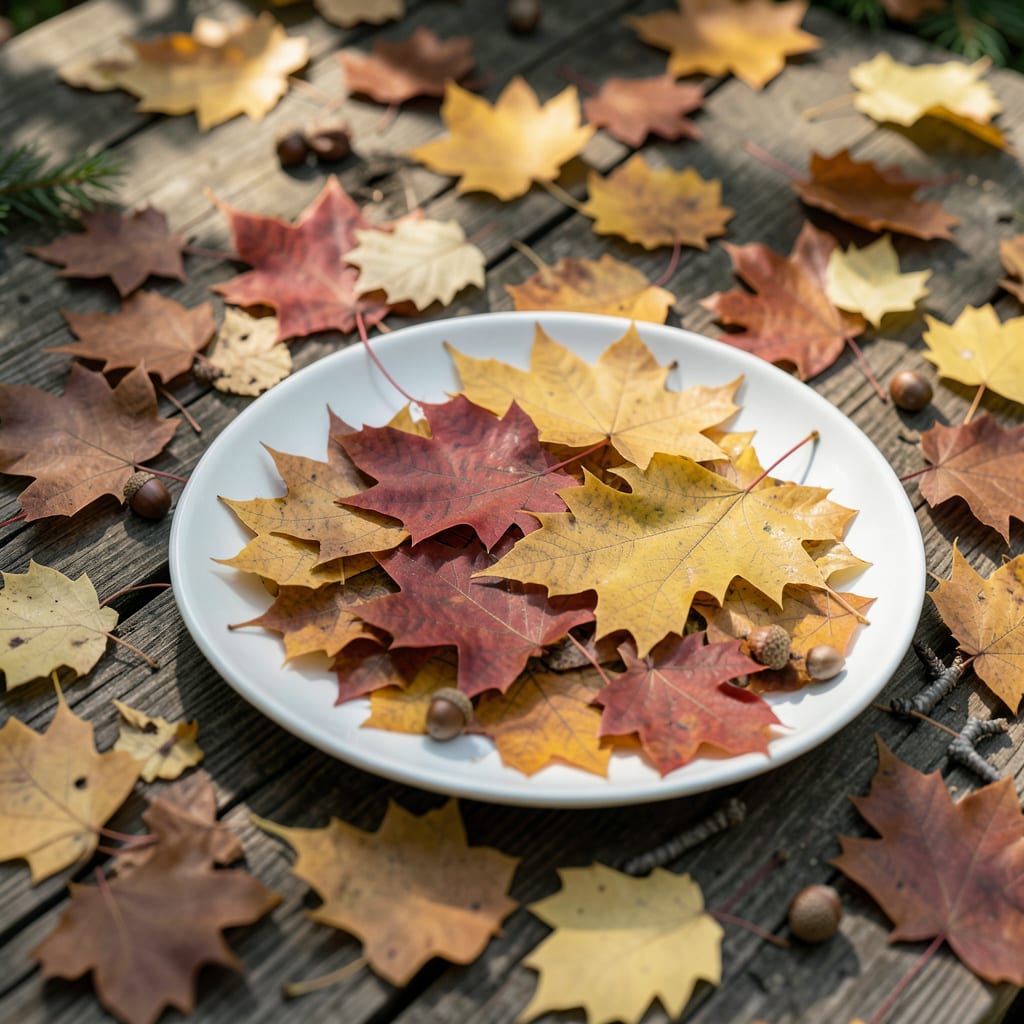
That first crisp morning when the ground is covered in gold and red—it’s nature’s way of giving back. I used to see fallen leaves as a chore, but now I know they’re free mulch, compost, and soil food all in one.
Raking isn’t the only answer. A light layer left on garden beds protects roots through winter, and shredded leaves break down into rich organic matter that feeds next year’s plants better than anything you can buy.
📚 In This Guide
Here’s my straightforward approach to turning fallen leaves into garden gold without breaking a sweat.
Walk your property and evaluate the leaf coverage. Light layers (less than 1 inch deep) can often stay as natural mulch, especially in garden beds. Thicker accumulations need attention to prevent smothering grass or creating mold issues.
Decide your method based on the area. Lawns require clearing, while flower beds and tree bases benefit from leaf retention. I always start with the lawn first—it’s the most time-sensitive area where leaves can block sunlight and air.
Use a rake or leaf blower to gather leaves from grassy areas. Work in sections, moving from the outer edges toward the center of your yard. This prevents you from walking over and re-spreading leaves you’ve already collected.
For large properties, a tarp can help. Spread it out, rake leaves onto it, then drag to your compost or mulching area. This saves multiple trips and reduces back strain. Aim to clear leaves before they become soggy from rain or dew.
Instead of bagging leaves for disposal, shred them with a mulching mower or leaf shredder. The smaller pieces break down faster and won’t mat together. I run my mower over dry leaves in a clean area to create fine mulch.
Spread a 2-3 inch layer of shredded leaves around trees, shrubs, and in garden beds. This insulates plant roots from freezing temperatures and slowly adds organic matter to the soil as it decomposes.
Collect unshredded leaves in a dedicated compost bin or pile. For best results, mix with equal parts “green” materials like grass clippings or kitchen scraps. This balance of carbon (brown leaves) and nitrogen (green materials) speeds decomposition.
Turn the pile every 2-3 weeks to aerate and maintain even decomposition. You’ll know it’s working when the center heats up and the materials begin to darken. By spring, you’ll have rich compost ready for planting.
Keep walkways, driveways, and patios clear of leaves to prevent slipping hazards. A leaf blower works well for these hard surfaces, or use a stiff-bristled broom for smaller areas.
For gravel paths, leaves can be particularly stubborn. I’ve found that a leaf vacuum or shop vacuum with a hose attachment can effectively remove leaves without disturbing the gravel underneath. Check these areas after windy days, as leaves tend to collect there first.
Here’s how to make leaf management easier and more effective this season.
Assessment Insight: In Step 1, when evaluating leaf coverage, remember that anything less than 1 inch deep can often stay put as natural mulch. This saves time and effort while still benefiting your garden beds. I learned this the hard way after raking areas that didn’t need it.
Lawn Efficiency Tip: For Step 2, working in sections from the edges toward the center prevents re-spreading leaves you’ve already collected. On large properties, use a tarp to gather leaves—it reduces trips and saves your back. Trust me on this.
Mulching Strategy: When creating leaf mulch in Step 3, shredding the leaves is key. The smaller pieces break down faster and won’t mat together, which is exactly what you want for garden beds. I run my mower over dry leaves in a clean area to get that fine texture.
Composting Success: For Step 4, turning your compost pile every 2-3 weeks keeps the decomposition even. You’ll know it’s working when the center heats up and materials begin to darken. This timing is perfect for having rich compost ready by spring planting season.
Leaves fall in autumn due to changes in daylight and temperature, triggering trees to conserve water and energy. This natural process, called senescence, causes leaves to change color and eventually drop.
The ideal time is after most leaves have fallen, typically late autumn. Removing them promptly prevents smothering your lawn and reduces pest habitats. A light layer can be left for mulching.
Yes! Shredded leaves make excellent, nutrient-rich mulch for gardens and flower beds. Avoid thick layers to prevent mold.
Compost them, use them as mulch, or bag them for yard waste pickup. Avoid burning leaves, as it can harm air quality and neighbors.
Yes, a thick layer of leaves can block sunlight and trap moisture, leading to lawn diseases like snow mold. Regular raking or mulching helps maintain lawn health.
