
Beautiful Plants For Your Interior
Beautiful Plants For Your Interior
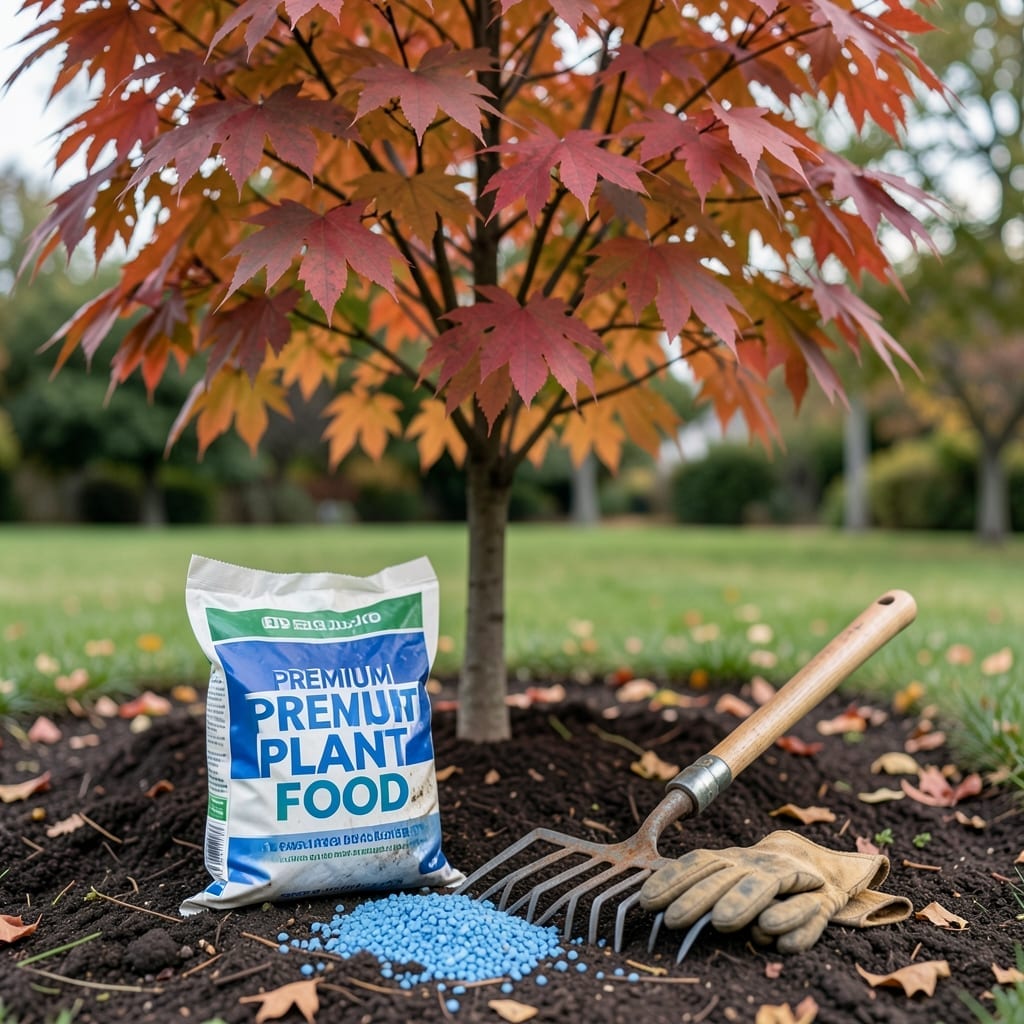
In autumn, use slow-release fertilizers rich in potassium and phosphorus to strengthen plant roots and boost winter hardiness. Avoid high-nitrogen options that promote tender growth.
I focus on potassium and phosphorus in fall because they help plants build stronger root systems and store energy for the cold months ahead. 🔥 These nutrients also improve disease resistance, which is crucial as temperatures drop. I’ve seen gardens thrive through winter when they get this balanced approach rather than pushing leafy growth with nitrogen.
💡 In This Article
Potassium acts like a plant’s immune system booster. It strengthens cell walls, making them more resistant to frost damage and disease. This nutrient also regulates water movement within plant tissues, preventing dehydration during cold snaps. 🔥
Phosphorus fuels root development by stimulating cell division in the root zone. In autumn, soil temperatures between 50-60°F are ideal for phosphorus uptake, as cooler temps slow top growth while roots remain active. This creates a perfect window for establishing strong root systems before winter dormancy.
Unlike nitrogen, which promotes soft, leafy growth vulnerable to frost, potassium and phosphorus work below the surface. Potassium enhances carbohydrate production, helping plants store energy in their roots. Phosphorus supports ATP formation, the energy currency that powers root expansion and nutrient absorption. ✨
Seasonal changes affect nutrient availability too. As soil cools, microbial activity slows, reducing nitrogen conversion from organic matter. This makes autumn the perfect time to focus on the two nutrients that remain mobile in colder conditions. Plants can still absorb potassium and phosphorus even when soil temperatures drop below 50°F, though at a reduced rate.
You’ll often see the best results with fertilizers marked 5-10-10 or 10-20-20—the middle and last numbers representing phosphorus and potassium. These ratios provide the right balance for root development and winter preparation without encouraging tender new shoots.
The science shows that plants fertilized properly in autumn can survive temperatures 10-15°F lower than unfertilized ones. This difference often means survival versus winterkill for perennials and woody plants. 🌟
Stop fertilizing 4-6 weeks before your first expected frost. This gives plants time to absorb nutrients while avoiding new growth that could be damaged by cold. Check local frost dates for precise timing.
High-nitrogen fertilizers promote leafy growth, which is vulnerable to frost damage. This tender growth can also deplete stored energy, weakening plants before winter. Stick to potassium and phosphorus instead.
Conduct a soil test through your local extension office. Tests reveal exact nutrient levels and pH, ensuring you apply only what’s needed. Most gardens benefit from 1-2 pounds per 100 square feet.
Light rain can help activate fertilizer, but heavy rain may wash nutrients away. Apply on a dry day, then water with 1 inch within 24 hours for best results. Avoid soggy soil to prevent runoff.
Organic options like compost or bone meal release nutrients slowly, which is ideal for fall. They also improve soil structure. Just ensure they’re rich in potassium and phosphorus for winter prep.