
Beautiful Plants For Your Interior
Beautiful Plants For Your Interior
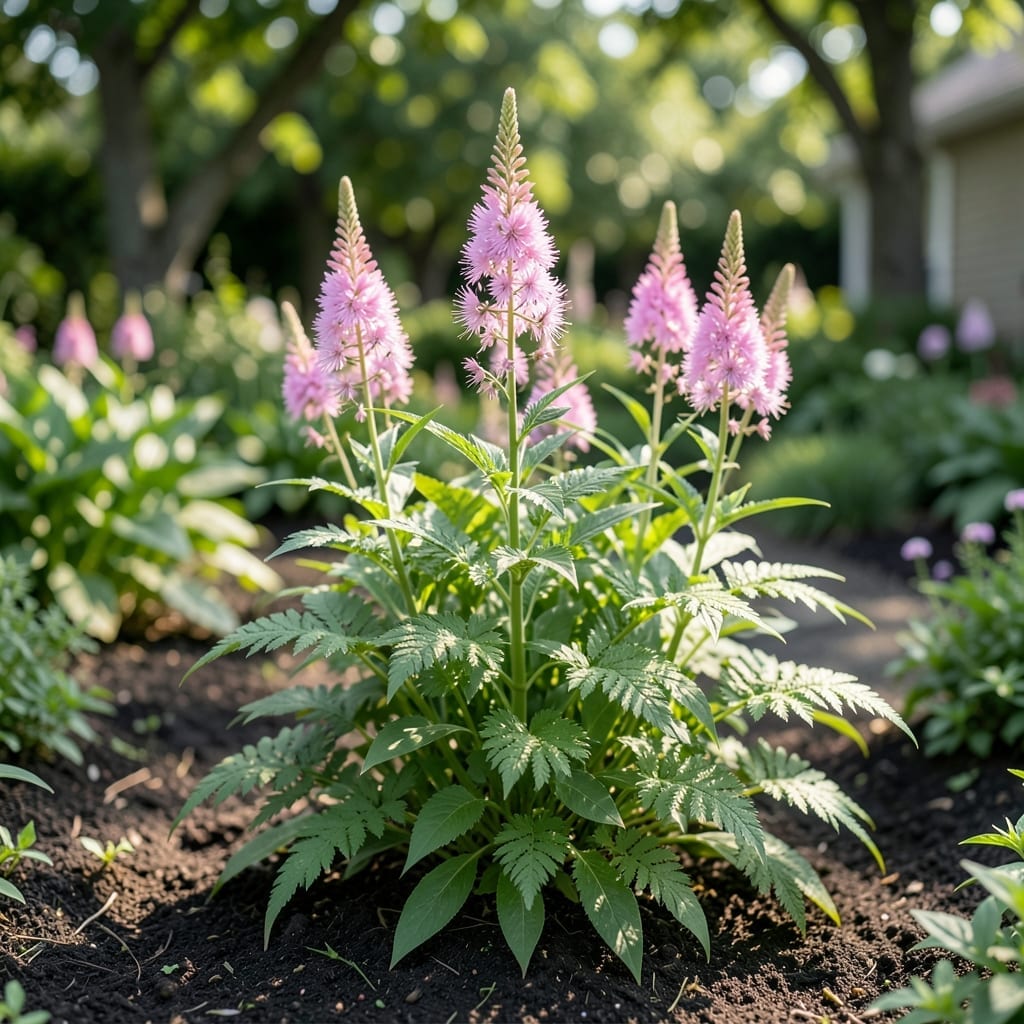
Astilbe thrives in USDA hardiness zones 4 through 8, where it enjoys cool summers and consistent moisture. Most varieties tolerate zone 3 with winter protection.
I’ve found these perennials do best where summer heat stays moderate, as excessive warmth can scorch their delicate foliage. Zone 4 gardeners often see the most vibrant blooms, while those in zone 8 may need extra shade to prevent wilting. 🌟
In colder climates like zone 3, a thick layer of mulch helps roots survive freezing temperatures. This adaptability makes astilbe a favorite for borders and woodland gardens across much of the U.S.
💡 In This Article
Astilbe’s native habitat in mountain streams of Asia explains its zone preferences. These plants evolved in regions with cool, moist summers and cold winters, where temperatures rarely exceed 85°F. This climate keeps their shallow roots hydrated while preventing heat stress that can scorch foliage. 🌿
Their growth cycle aligns perfectly with zones 4-8. Spring brings 60-70°F soil temperatures that trigger rapid emergence, while summer’s 70-80°F range supports plentiful blooms. In zone 3, winter dieback occurs at -40°F, but thick mulch can protect crowns. Zone 9‘s heat causes premature dormancy without afternoon shade. ☀️
Humidity plays a crucial role in their success. Astilbe thrives in 60-80% relative humidity, which reduces water loss through their large, fern-like leaves. In drier zones, consistent irrigation becomes essential to mimic their preferred mountain stream environment. The plants wilt visibly when moisture drops below 40% humidity. 💧
Seasonal day length also influences performance. In their ideal zones, 14-16 hour summer days promote maximum bloom production. Shorter days in zone 3 may reduce flower size, while zone 9‘s long days can stress plants without adequate water. This photoperiod sensitivity explains their consistent performance across the 4-8 range. 🌸
Soil temperature matters as much as air temperature. Astilbe roots grow most actively when soil stays between 55-65°F. In zone 4, this occurs naturally from late spring through early fall. Gardeners in warmer zones must provide afternoon shade to keep soil in this optimal range. 🌱
Most varieties will struggle in zone 3 without winter protection. A thick 4-6 inch mulch layer is essential to insulate crowns from -40°F temperatures. Without it, roots may freeze and die.
Zone 9‘s heat exceeds astilbe’s tolerance, causing moisture loss through large leaves. Provide afternoon shade and consistent irrigation to mimic their preferred cool, humid environment.
Most thrive in zones 4-8, but some newer hybrids tolerate zone 3 or 9 better. Always check the specific variety’s tag for exact hardiness information.
Use drip irrigation on a timer for consistent moisture. In zone 9, daily watering may be needed during peak heat. Avoid overhead watering to prevent foliage burn.