
Beautiful Plants For Your Interior
Beautiful Plants For Your Interior
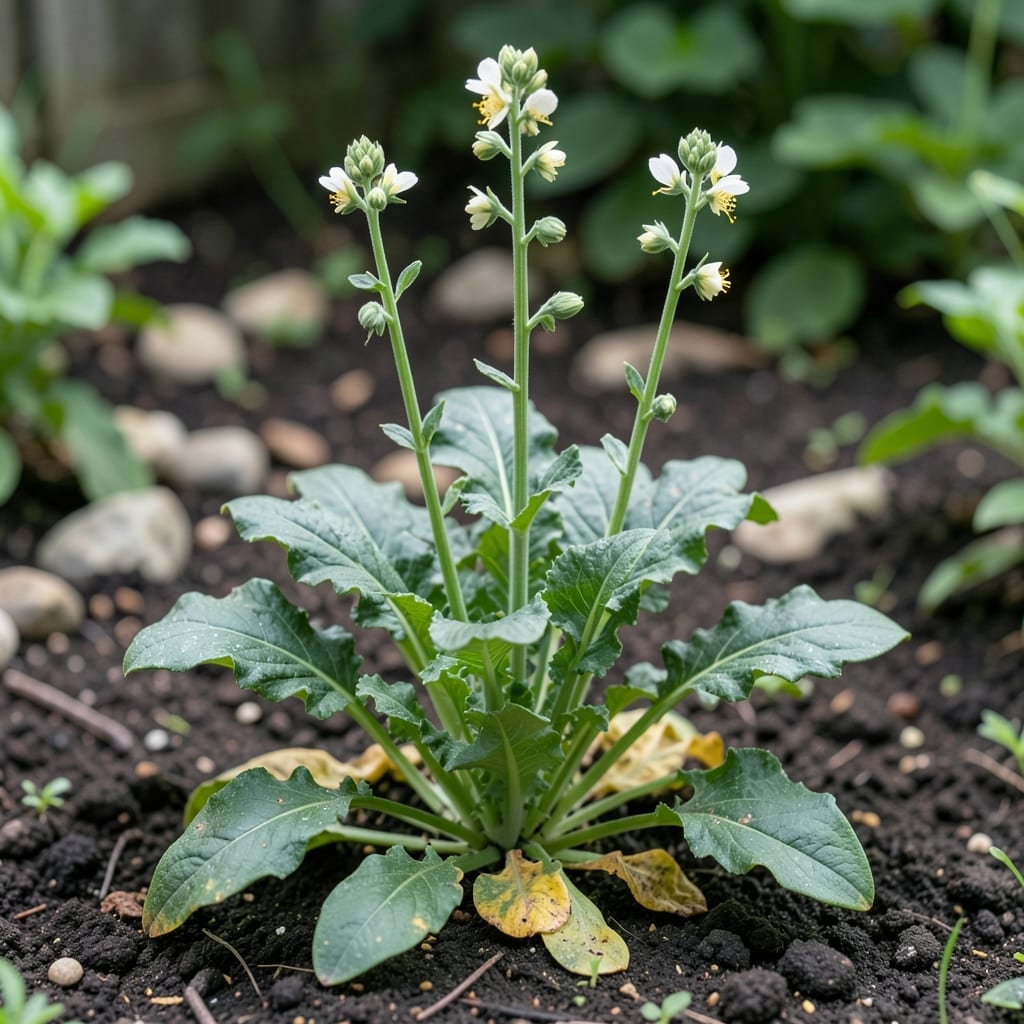
That first taste of peppery arugula from your garden is magic. Then one day, it shoots up tall, flowers appear, and the leaves turn bitter—bolting stole your harvest.
I’ve lost entire beds to early bolting before learning the triggers: heat, long days, and stress. The fix starts with planting at the right time and keeping soil cool and moist.
With a few simple adjustments, you can stretch your arugula season by weeks. Shade cloth, consistent watering, and succession planting work wonders.
Even when bolting starts, you can still salvage the crop. Here’s how to keep those leaves tender and flavorful longer.
Arugula bolts—or goes to seed—when environmental or biological triggers push it into its reproductive phase. This natural process prioritizes seed production over leaf growth, often leaving gardeners with bitter, tough greens. Below are the primary causes, each with a scientific basis and actionable insights.
Arugula (Eruca sativa) is a cool-season crop that thrives in temperatures between 40–70°F (4–21°C). When soil or air temperatures rise above 75°F (24°C), the plant interprets this as a signal to bolt. Heat accelerates metabolic processes, triggering the production of flowering hormones (gibberellins) that shift energy from leaf development to seed formation.
Arugula is long-day sensitive, meaning it responds to increasing daylight hours. As days lengthen in late spring and summer (typically exceeding 12–14 hours of light), the plant perceives it’s time to reproduce. This photoperiodic response is hardwired into its genetics, ensuring survival by producing seeds before harsh conditions arrive.
Inconsistent watering or nutrient deficiencies (particularly nitrogen) stress the plant, prompting an early shift to seed production. Drought conditions mimic environmental instability, signaling the arugula to prioritize reproduction. Similarly, poor soil fertility can limit vegetative growth, forcing the plant to bolt prematurely to ensure propagation.
Even under ideal conditions, arugula naturally bolts as it matures. Most varieties begin flowering 4–6 weeks after germination. Older plants or those left in the ground too long will inevitably transition to seed production, as this is part of their life cycle.
Once arugula starts going to seed, it’s tough to reverse—but you can slow it down and salvage your crop. Here’s how to tackle the most common causes, plus ways to prevent future flare-ups.
If high temps are triggering bolting, provide afternoon shade with row covers or a DIY shade cloth (even an old bedsheet works!). Plant new seeds in late summer for a fall harvest when temps are cooler. 💡 Prevention tip: Choose slow-bolt varieties like ‘Astro’ or ‘Giant Red’ for hotter climates.
Arugula bolts fastest when left too long. Pick leaves regularly—snip outer leaves first to encourage new growth. If flower stalks appear, cut the plant back by half; it may regrow milder leaves. 🎯 Prevention tip: Sow seeds in succession every 2–3 weeks for a continuous supply.
Overcrowding stresses plants, speeding up bolting. Thin seedlings to 4–6 inches apart so air circulates. Use the thinnings in salads! ✨ Prevention tip: Avoid over-fertilizing with nitrogen, which can push plants to mature too quickly.
Inconsistent watering = stressed plants = early bolting. Water deeply 1–2 times per week (more in heatwaves) and mulch with straw to retain moisture. Drip irrigation is ideal to avoid wetting leaves. 🌡️ Prevention tip: Check soil moisture daily in extreme heat—stick your finger an inch deep; if dry, it’s time to water.
Bolting shifts energy to seed production, causing leaves to produce more glucosinolates. These compounds create that sharp, bitter taste. Harvest leaves before flower stalks appear for best flavor.
Yes, but the leaves will be tougher and more peppery. Young flower buds and seeds are edible too. Try cooking mature leaves to soften their texture and mellow the flavor.
Water in the early morning to reduce evaporation and fungal risks. Aim for 1–2 inches per week, keeping soil consistently moist but not soggy. This helps prevent stress-related bolting.