
Beautiful Plants For Your Interior
Beautiful Plants For Your Interior
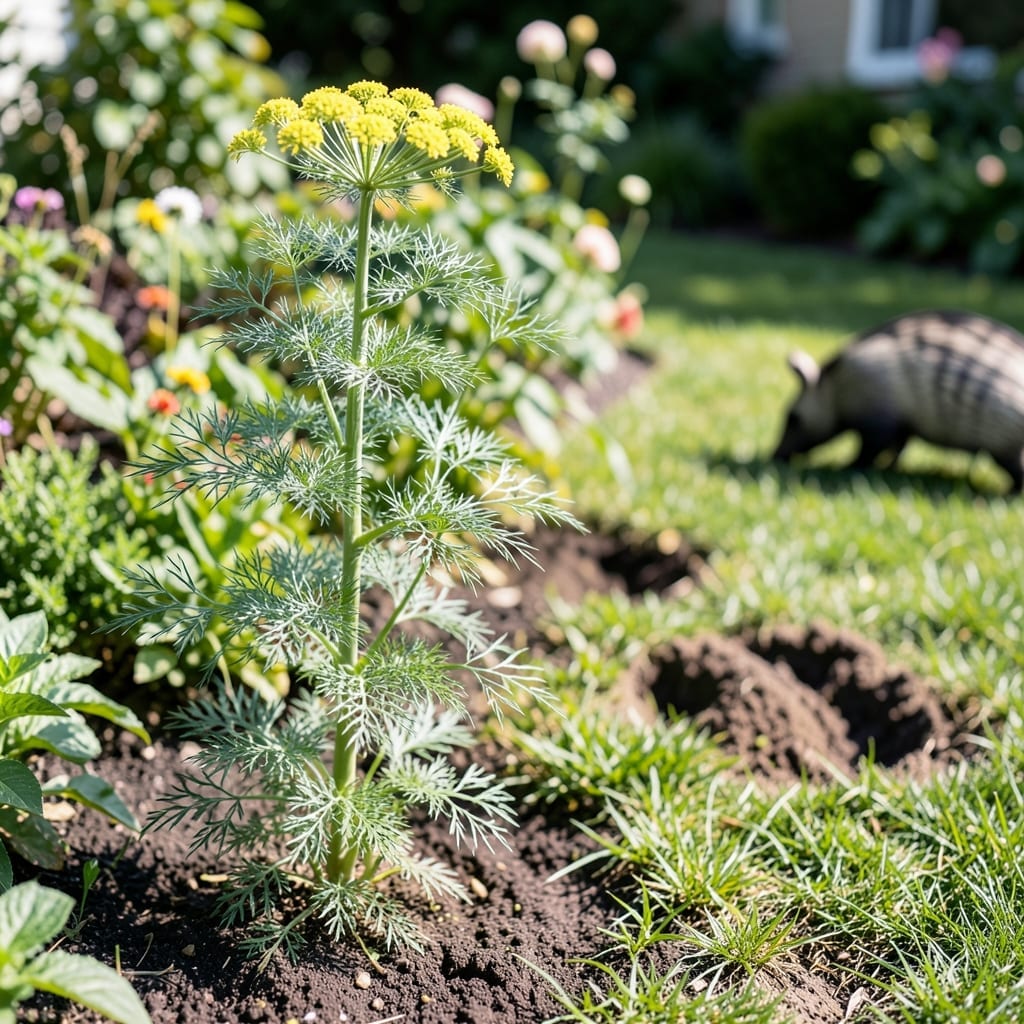
Woke up to a lawn that looks like Swiss cheese. Armadillos turned my yard into their personal digging project overnight, and I’ve had enough.
These nocturnal diggers create shallow holes searching for grubs, but the damage is anything but minor. The good news? You can humanely encourage them to move on without harming your lawn—or the armadillos.
With the right deterrents and a little lawn TLC, you’ll fill those holes and keep them from coming back. The fix is simpler than you’d think.
Works for small yards, large properties, and every frustrated homeowner in between.
Armadillos dig holes in lawns for several key reasons, all tied to their natural behaviors and survival instincts. Understanding these causes can help you address the issue effectively.
Armadillos primarily dig to search for food. Their diet consists of insects, grubs, worms, and other small invertebrates that live in the soil. Using their strong claws and sensitive noses, they sniff out and dig up these prey items, leaving behind small, shallow holes (1-3 inches wide) in your lawn. This behavior is especially common in areas with moist, loose soil where grubs and worms thrive.
These nocturnal creatures also dig burrows for shelter and protection. Unlike foraging holes, burrows are larger (up to 10 inches wide) and deeper, often with multiple entry points. Armadillos use these as safe spaces to rest during the day and escape predators. They prefer digging near dense vegetation, woodpiles, or under structures like sheds and porches.
Armadillos are sensitive to temperature extremes. In hot weather, they dig shallow holes to access cooler soil and regulate their body temperature. Conversely, in colder months, they may dig deeper burrows to stay warm. This thermoregulatory behavior can lead to increased digging activity during seasonal transitions.
If you notice an uptick in armadillo holes, it’s often a sign of a high insect population in your lawn. Addressing the underlying pest issue can reduce their incentive to dig.
Armadillos dig for grubs and insects, but you can reclaim your lawn with these targeted fixes. Below, we map each cause to a practical solution—plus prevention tips to keep them from returning.
Armadillos are drawn to lawns teeming with grubs, earthworms, and beetles. Apply beneficial nematodes or milky spore powder to naturally reduce these pests. For faster results, use a grub-specific insecticide labeled for lawns. Without a food supply, armadillos will move on.
Prevention tip: 💡 Maintain a healthy lawn with proper watering and mowing to discourage pest infestations.
Install a hardware cloth fence (at least 2 feet deep and angled outward at the top) around gardens or vulnerable areas. Armadillos are diggers, so bury the bottom 12–18 inches to stop them from tunneling underneath.
Prevention tip: 🎯 Check for gaps around decks, sheds, or low-hanging vegetation where armadillos might squeeze through.
Armadillos dislike strong scents. Soak rags in castor oil and place them near holes or entry points. Alternatively, sprinkle cayenne pepper or predator urine (coyote/fox) around the perimeter. Reapply after rain.
Prevention tip: ✨ Rotate deterrents weekly to prevent armadillos from acclimating to one scent.
Once they’re gone, fill holes with soil and tamp it down firmly. For deeper tunnels, add a layer of sand or gravel before topping with sod or seed. Water the area to help new grass establish.
Prevention tip: 🌱 Overseed thin patches to strengthen your lawn’s resistance to future digging.
Foraging holes are shallow, typically 1-3 inches deep and wide. Burrows for shelter can go 1-2 feet deep with multiple tunnels. The depth varies based on their purpose and soil conditions.
Yes, they often revisit holes while foraging or expand burrows if undisturbed. Consistently filling holes and using deterrents can discourage repeat visits.
They’re most active in warmer months, especially spring and summer when insects are plentiful. However, they may dig more in fall to prepare burrows for winter.
No—mothballs are ineffective and toxic to pets and wildlife. Stick to natural deterrents like castor oil or predator urine for safe, humane results.