
Beautiful Plants For Your Interior
Beautiful Plants For Your Interior
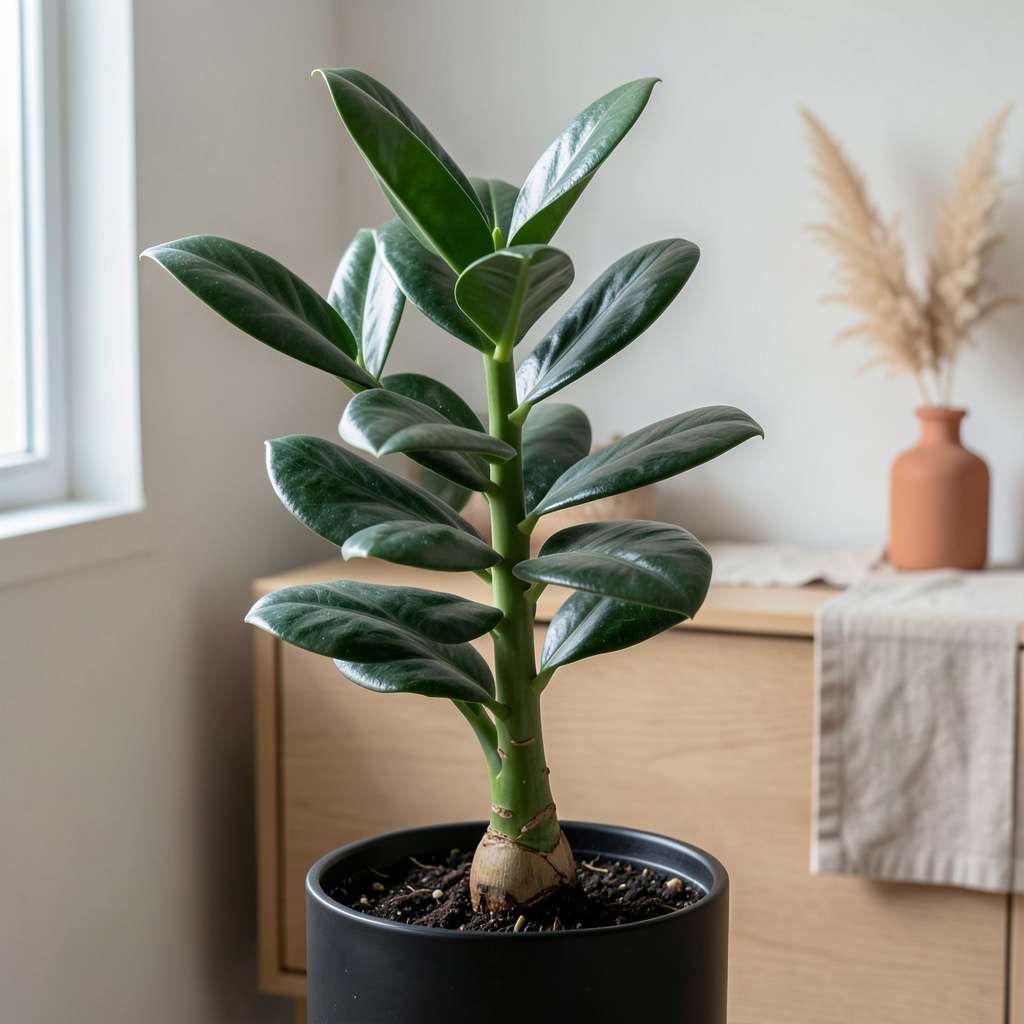
Yes, ZZ plants are toxic to cats due to calcium oxalate crystals that cause oral irritation, drooling, vomiting, and difficulty swallowing if ingested. Keep them out of reach or choose pet-safe alternatives.
I’ve seen firsthand how these glossy, low-maintenance plants can become silent hazards in homes with curious felines. The needle-like calcium oxalate crystals act like microscopic daggers when chewed, immediately triggering pain and inflammation in your cat’s mouth and throat. 🐱 What makes this especially concerning is that cats often can’t resist the plant’s dangling stems, and symptoms can escalate quickly from mild drooling to more serious gastrointestinal distress. As someone who’s helped many gardeners transition to pet-friendly houseplants, I always recommend checking the ASPCA’s toxic plant list before bringing any new greenery into a home with animals.
💡 In This Article
The toxicity in ZZ plants comes from insoluble calcium oxalate crystals called raphides. These microscopic, needle-shaped structures are concentrated in all parts of the plant, but particularly in the stems and leaves. When a cat bites into the plant, these crystals pierce the delicate tissues of the mouth, tongue, and throat, causing immediate irritation.
The body responds by releasing histamine, which triggers inflammation and the classic symptoms of drooling and pawing at the mouth.
What makes this especially problematic is the crystal’s physical structure. Each raphide measures about 1-2 micrometers in length—small enough to penetrate cells but large enough to cause mechanical damage. 🔥 The plant stores these crystals in specialized cells called idioblasts, which rupture upon chewing.
Within minutes, your cat may experience burning sensations, followed by swelling that can make swallowing difficult. The ASPCA notes that while rarely fatal, the discomfort can be severe enough to deter eating or drinking temporarily.
The symptoms typically follow a predictable progression. Initial signs like excessive drooling and lip smacking appear within 5-10 minutes of ingestion. This may escalate to vomiting (often containing plant fragments) within 30-60 minutes as the crystals irritate the stomach lining. 💫 Some cats develop temporary hoarseness from throat irritation.
The good news is that most cases resolve within 12-24 hours with supportive care, though persistent vomiting warrants veterinary attention to prevent dehydration.
Cats are particularly vulnerable because of their grooming habits and curiosity. The plant’s glossy leaves reflect light in ways that attract feline attention, and the dangling stems mimic prey. Unlike dogs that might chew and spit out irritating plants, cats often swallow fragments while grooming, prolonging exposure.
🐾 The ASPCA’s Animal Poison Control Center reports that ZZ plant cases spike during spring when cats become more active explorers and plants enter growth phases with higher crystal concentrations.
All parts of the ZZ plant contain these toxic crystals, but the stems hold the highest concentration—about 3-5 times more than the leaves. This is because the plant uses these crystals as a defense mechanism against herbivores, concentrating them in the most vulnerable parts.
Even the plant’s sap contains soluble oxalates that can cause skin irritation in sensitive cats. The toxicity remains whether the plant is grown indoors or outdoors, and interestingly, the crystals persist even in dried or wilted plant material.
Here’s what’s happening at the cellular level: when the crystals penetrate mouth tissues, they trigger an immune response called the complement cascade. This releases proteins that increase vascular permeability, causing the visible swelling. 💡 The pain receptors in the mouth (nociceptors) become hyperactive, which is why affected cats often rub their faces against surfaces.
Veterinary pathologists note that under microscope, the affected tissues show characteristic “needle track” patterns from the crystal penetration.
Symptoms typically develop within 5-10 minutes of ingestion. You’ll first notice excessive drooling and lip smacking, followed by vomiting (often with plant fragments) within 30-60 minutes. The rapid onset makes it easier to identify the cause.
First, remove any plant material from their mouth. Offer water or milk to help flush the irritants. Monitor for 12-24 hours—most cases resolve on their own. Contact your vet if vomiting persists or if your cat stops eating/drinking.
No, all parts contain toxic calcium oxalate crystals. The stems have the highest concentration (3-5x more than leaves), but even the sap can cause skin irritation. Even dried or wilted parts remain toxic.
Hanging helps, but determined cats can still reach dangling stems. Consider a closed terrarium or a room your cat can’t access. Remember that fallen leaves or pruned pieces can still pose risks.
The glossy leaves reflect light like prey, and dangling stems mimic movement. Cats are also attracted to the plant’s slight moisture content. Providing cat grass nearby can help redirect their chewing instincts.
