
Beautiful Plants For Your Interior
Beautiful Plants For Your Interior
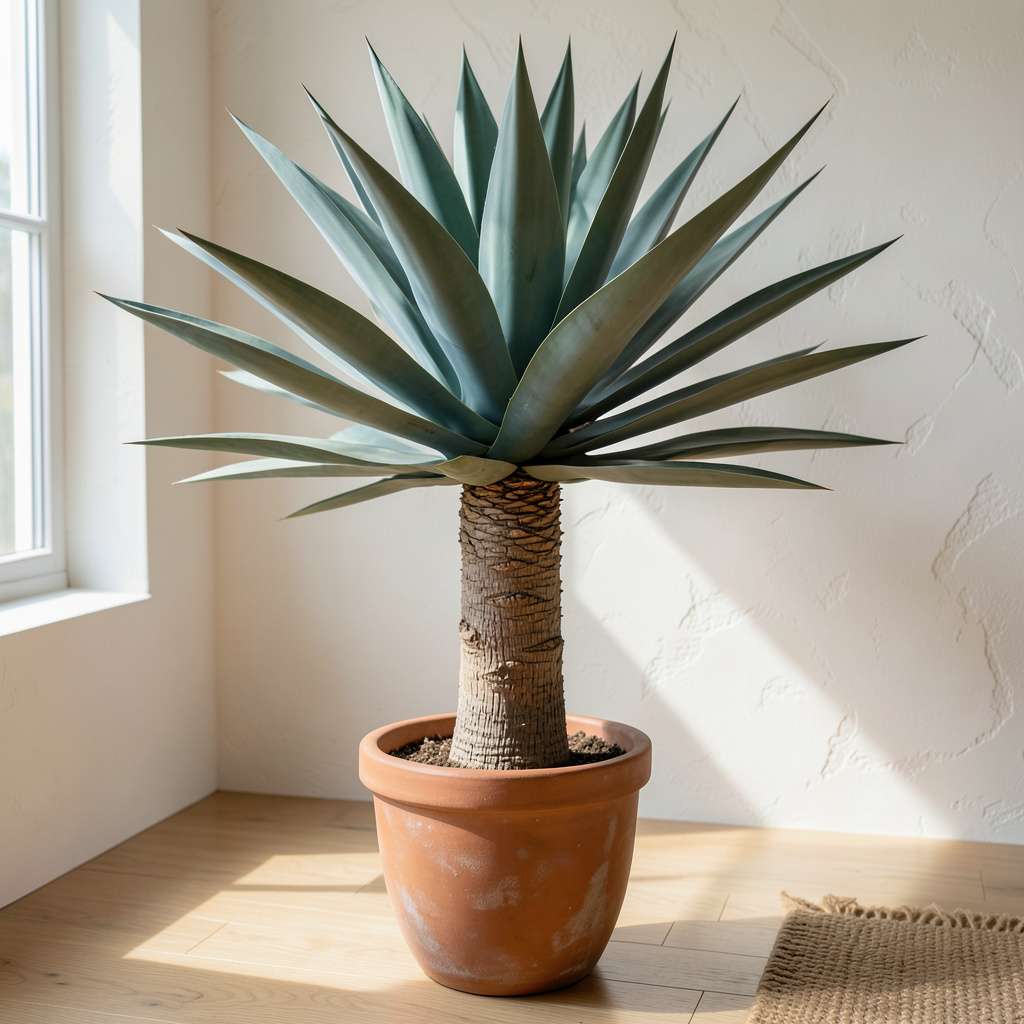
Yes, yucca plants are toxic to cats due to saponins, which cause vomiting, diarrhea, and drooling if ingested. The sharp leaves can also injure their mouth or digestive tract.
I’ve seen firsthand how curious cats can’t resist chewing on houseplants, and yucca is particularly dangerous because it contains steroidal saponins—natural compounds that disrupt feline digestion. 🐱 These chemicals create foam-like irritation in the stomach, leading to immediate discomfort. What makes yucca especially risky is its spiny, fibrous leaves, which can cause physical trauma as they pass through the digestive system.
The toxicity isn’t limited to just the leaves—every part of the plant contains these harmful compounds. Even small amounts can trigger symptoms within hours, which is why I always recommend keeping yuccas far from areas where pets roam freely. ✨
💡 In This Article
The danger starts with saponins—natural chemical compounds found throughout yucca plants. These steroidal glycosides act like soap when ingested, creating foam that aggressively irritates the stomach lining. In cats, this triggers an immediate inflammatory response, causing symptoms like excessive drooling, vomiting, and diarrhea within 2-12 hours.
The concentration is highest in the roots, but even small nibbles of leaves or stems contain enough to cause distress. 🔥
What makes yucca particularly hazardous is its dual threat: chemical toxicity plus physical danger. The leaves contain sharp, needle-like tips and fibrous edges that can lacerate a cat’s mouth, throat, or intestines. I’ve seen cases where curious pets ended up with oral ulcers or even intestinal blockages from swallowed leaf fragments.
The plant’s sap also contains calcium oxalate crystals, which add another layer of irritation similar to chewing on tiny glass shards. ✨
Comparing yucca to other toxic plants reveals why it’s especially problematic. Unlike lilies (which cause kidney failure) or aloe (which primarily causes vomiting), yucca combines gastrointestinal irritation with mechanical injury. The saponin concentration in yucca (2-5% of plant weight) is comparable to soapwort, another saponin-rich plant used historically for making soap.
This explains why even small exposures often require veterinary intervention. 💫
The toxicity affects dogs too, but cats are more vulnerable due to their smaller size and grooming habits. A cat that walks through yucca pollen then licks its paws can ingest enough saponins to cause symptoms.
The ASPCA lists yucca as toxic to both cats and dogs, with feline cases often requiring IV fluids and anti-nausea medication for recovery. What surprises many pet owners is that even dried yucca in arrangements remains toxic for months. 🌟
Here’s what’s happening at the cellular level: saponins disrupt cell membranes in the digestive tract, allowing stomach acids to leak into surrounding tissues. This creates chemical burns that explain the severe vomiting. The plant’s fibrous structure then acts like sandpaper on these damaged tissues, compounding the injury.
Unlike some toxins that affect specific organs, yucca’s danger comes from this multi-system assault on the entire digestive pathway. ⚡
Consider these key factors when assessing risk:
The takeaway? Yucca’s toxicity comes from its perfect storm of chemical irritants, physical hazards, and widespread distribution in both indoor and outdoor settings. Unlike seasonal plants that pose temporary risks, yuccas remain dangerous year-round, making them one of the most consistently problematic plants for cat owners. 💛
Remove any plant material from their mouth immediately and rinse with water. Call your vet or the ASPCA Poison Control at (888) 426-4435 right away—don’t wait for symptoms. Early treatment can prevent serious complications.
Most common varieties like Yucca aloifolia and Yucca filamentosa contain similar saponin levels. However, Spanish dagger (Yucca gloriosa) tends to have higher concentrations. All parts remain dangerous regardless of species.
Yes, dried yucca retains its toxicity for months. The saponins don’t degrade significantly when dried, so keep wreaths or arrangements out of reach. Even small amounts of dust from dried leaves can cause irritation.
With prompt treatment, most cats recover within 24-48 hours. Severe cases with intestinal damage may take up to a week. Vomiting typically subsides first, while diarrhea may persist slightly longer.
Cats are drawn to yucca’s movement in wind and its fibrous texture. To deter them, plant catnip or silver vine nearby as safe alternatives. Physical barriers like chicken wire around the base also help.
