
Beautiful Plants For Your Interior
Beautiful Plants For Your Interior
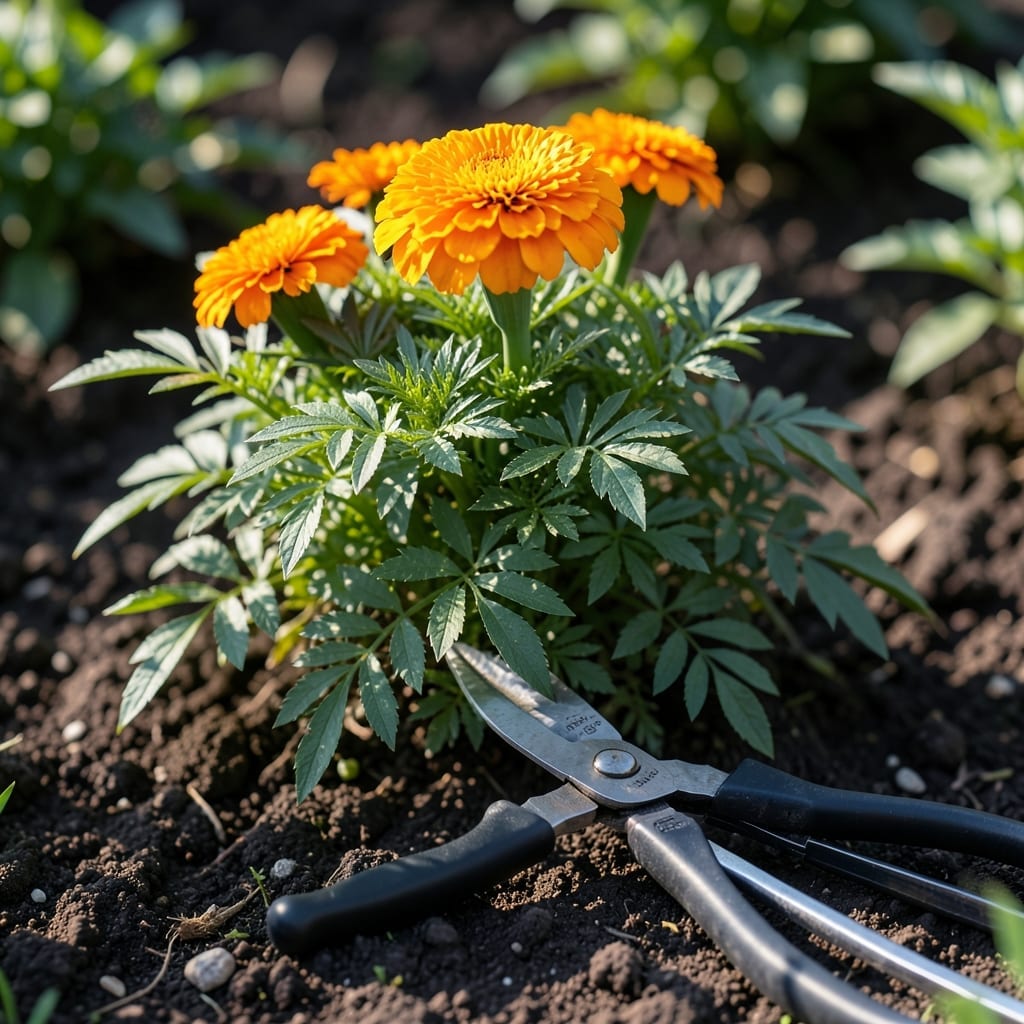
Yes, deadheading marigolds encourages more blooms by preventing seed formation. Regularly remove faded flowers to redirect the plant’s energy toward new growth and extended flowering.
I’ve found this simple practice keeps my marigolds blooming vibrantly all season long. It works by tricking the plant into focusing on new flower production rather than seed development, which naturally slows as blooms fade. 🌟
For best results, check your plants every 2-3 days and snip just above the next set of leaves. This method ensures continuous color without stressing the plant.
💡 In This Article
Here’s what’s happening at the cellular level: when a marigold bloom begins to fade, the plant starts diverting energy toward seed production. This process triggers the release of hormones that signal the flower to stop blooming.
By removing those spent blossoms, you interrupt this hormonal cascade, effectively telling the plant its reproductive mission isn’t complete yet.
The key factor is auxin, a growth hormone produced in developing seeds. High auxin concentrations inhibit the growth of lateral buds, which is where new flowers would form. Deadheading reduces auxin levels, allowing these dormant buds to activate. In French marigolds, this can increase bloom count by 30-40% over the season compared to unpruned plants.
This works because marigolds, like most annuals, are genetically programmed to reproduce before dying. When you remove the fading flower before seed set (typically 2-3 days after petals wilt), the plant responds by producing more blooms to ensure pollination.
The process is most effective during the plant’s active growing phase, from spring until the first frost. ✨
What most people don’t realize is that the timing matters as much as the technique. Removing flowers too early can prevent pollination, while waiting too long allows seed development to begin.
The sweet spot is when petals start to brown but before the center disk turns fully brown—this is when auxin production peaks but hasn’t yet suppressed new growth. 🔥
For maximum impact, focus on the outer blooms first, as these are typically the oldest. African marigolds, with their larger flower heads, may need deadheading every 4-5 days during peak bloom, while smaller French varieties can be maintained with weekly attention. This targeted approach ensures energy is consistently redirected toward fresh bloom production.
Check your marigolds every 2-3 days during peak season. African varieties may need attention every 4-5 days, while French types can often wait a week. Consistency matters more than perfect timing.
The plant will focus energy on seed production instead of new blooms. You’ll see fewer flowers and a shorter blooming season overall. It won’t harm the plant, but you’ll miss out on maximum color.
For French marigolds, clean pinching works fine. African marigolds have tougher stems, so use sharp shears. Always cut at a 45-degree angle above a leaf node to prevent water pooling.
Early morning is ideal when plants are hydrated. Avoid midday heat when plants are stressed. Evening works too, but morning gives the plant all day to recover.