
Beautiful Plants For Your Interior
Beautiful Plants For Your Interior
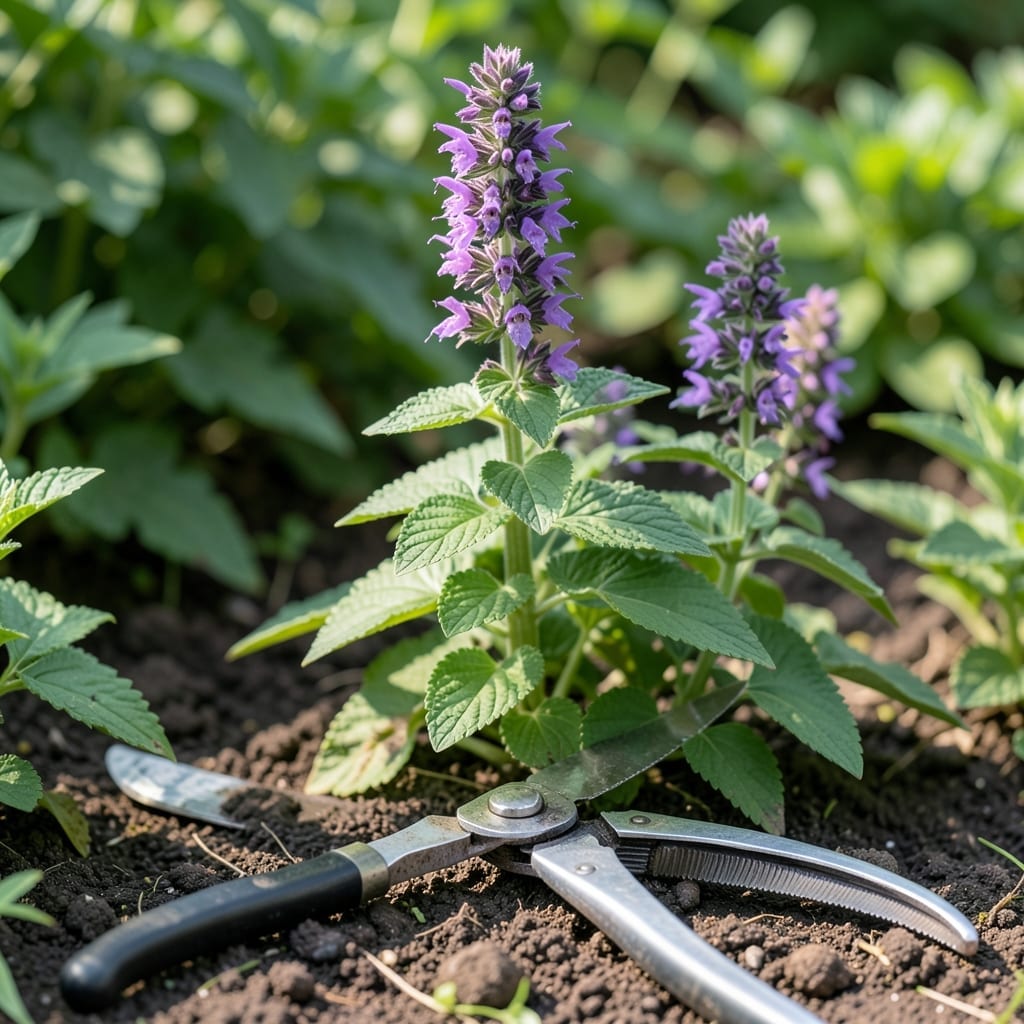
Yes, deadheading bee balm encourages more blooms and prevents self-seeding. Remove faded flowers just below the bloom cluster to promote continuous flowering throughout the growing season.
I make it a habit to trim spent blooms on my bee balm because it redirects the plant’s energy from seed production to new growth. This simple practice keeps the garden looking tidy while extending the flowering period well into late summer. 🌟
It also helps control the spread of this vigorous plant in my garden beds.
💡 In This Article
Deadheading works by interrupting the plant’s reproductive cycle. When you remove spent blooms, the bee balm no longer invests energy in seed production, redirecting those resources to new growth and additional flower production instead. This biological shift triggers the plant to produce more buds, often within 7-14 days of the initial pruning. 🔥
The process also prevents the development of seed heads, which can weigh down stems and create entry points for fungal diseases. Bee balm varieties like Monarda didyma are particularly susceptible to powdery mildew when air circulation is poor, and removing spent blooms improves airflow through the plant’s dense foliage.
This reduces humidity around the leaves by up to 30%, creating a less hospitable environment for pathogens. ✨
From a growth perspective, deadheading stimulates the production of lateral shoots. These new stems emerge from leaf axils below the cut, each capable of producing its own flower cluster. In my experience, properly deadheaded bee balm plants can produce 2-3 times more blooms over a growing season compared to unpruned specimens.
The plant essentially treats each deadheading as a signal to grow more vigorously. 💫
There’s also a practical benefit in garden management. Bee balm self-seeds prolifically, with a single plant potentially producing hundreds of seeds. Deadheading prevents this, which is particularly valuable for hybrid varieties that may not grow true from seed.
It maintains the genetic integrity of your carefully selected cultivars while preventing unwanted spread to other garden areas.
Nutrient allocation plays a role too. Seed production is energy-intensive, requiring significant amounts of phosphorus and potassium. By deadheading, you ensure these nutrients remain available for foliage growth and bloom development. This is especially important for bee balm growing in less fertile soils, where nutrient competition can limit flowering potential.
Skipping deadheading leads to seed production, which drains energy from new blooms. The plant may stop flowering early and self-seed aggressively throughout your garden. Expect 30-50% fewer flowers the following season.
Begin when 70% of flowers in a cluster fade, typically in early summer. This timing prevents seed formation while allowing the plant to redirect energy to new growth immediately.
Over-deadheading can stress the plant. Never remove more than 1/3 of the foliage at once. Focus only on spent blooms, leaving healthy leaves to support continued growth.
Use sharp bypass pruners or scissors for clean cuts. Dull tools crush stems, increasing disease risk. Always sterilize blades between plants to prevent spreading pathogens.