
Beautiful Plants For Your Interior
Beautiful Plants For Your Interior
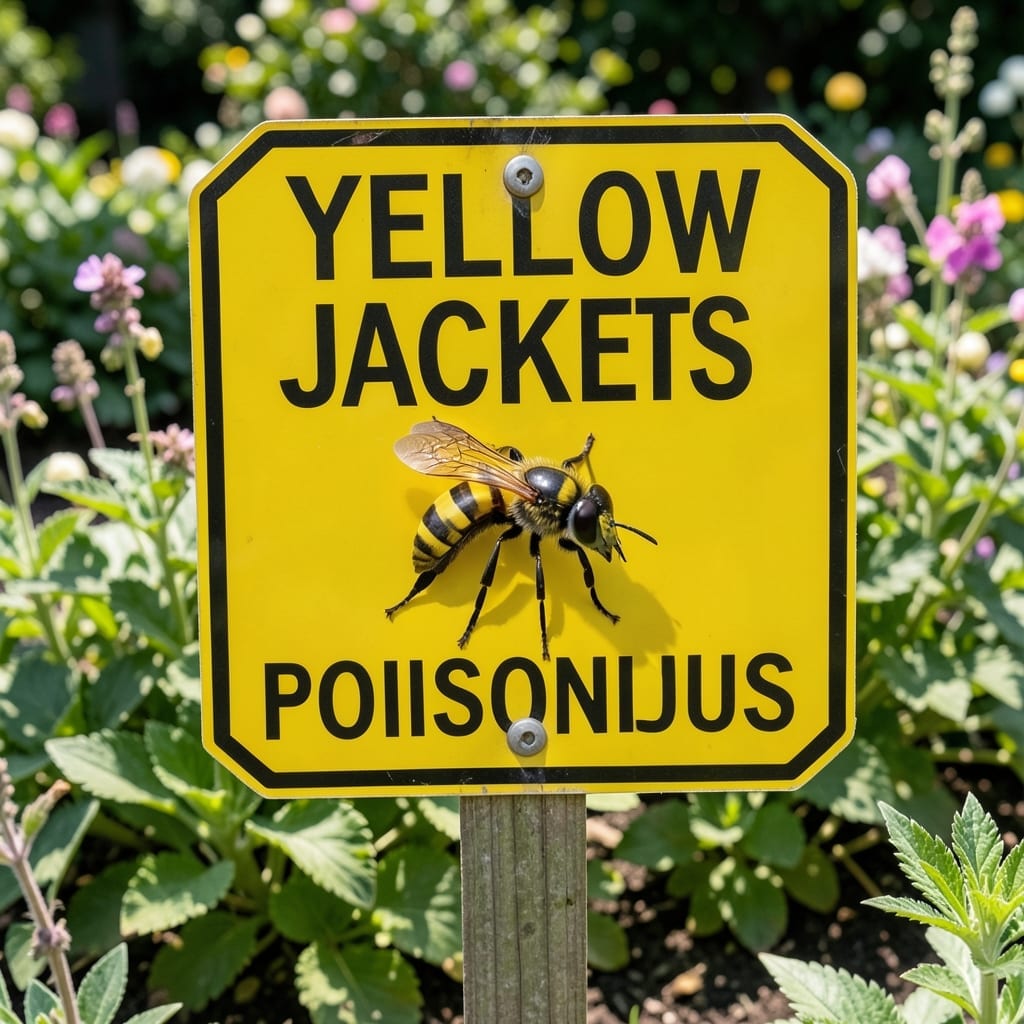
Yellow jackets are not poisonous but their venom can cause painful stings, allergic reactions, and in rare cases, life-threatening anaphylaxis in sensitive individuals.
What surprises many is that these insects deliver venom through their stingers, not poison through ingestion. 🔥 I’ve learned their venom contains proteins that trigger localized pain and swelling, while severe cases can disrupt breathing or circulation. Unlike true poisons that harm when swallowed, yellow jacket venom enters the bloodstream directly, which is why reactions vary so widely from person to person.
💡 In This Article
Yellow jacket venom contains a complex mix of proteins, peptides, and enzymes like phospholipase A2 and hyaluronidase. These compounds break down cell membranes and spread through tissues rapidly, causing immediate pain and inflammation. The venom also contains acetylcholine, which triggers an intense burning sensation at the sting site within seconds. 🔥
The immune system reacts to these foreign proteins by releasing histamine, leading to redness, swelling, and itching. For most people, this localized reaction peaks within 24-48 hours and subsides on its own. However, the venom’s antigen 5 protein is particularly potent, capable of provoking a systemic allergic response in sensitized individuals.
What makes yellow jacket stings especially concerning is their ability to sting repeatedly without losing their stinger. A single yellow jacket can inject venom multiple times, delivering up to 1.5-2 mg of venom per sting. This is why attacks by swarms can be dangerous, as the cumulative venom dose increases exponentially with each sting. ✨
In allergic individuals, the immune system overreacts by producing IgE antibodies specific to yellow jacket venom. This can lead to anaphylaxis, where blood pressure drops suddenly and airways constrict. Studies show that approximately 0.3-0.8% of the population may experience systemic reactions to insect stings, with yellow jackets being one of the most common culprits.
The severity of reactions often increases with repeated exposures. First stings typically cause only local pain, but subsequent ones may trigger more severe allergic responses as the immune system becomes sensitized. This is why entomologists recommend that people who’ve had previous allergic reactions carry epinephrine auto-injectors when spending time outdoors. 💫
Move away from the area to avoid more stings. Scrape off the stinger with a fingernail or card—never squeeze it. Wash the area with soap and cold water, then apply a cold compress.
Severe reactions include difficulty breathing, swelling of the face or throat, dizziness, or rapid pulse. If you experience any of these, seek emergency care immediately. Mild swelling and itching are normal.
The venom contains proteins that trigger immune responses. People with sensitized immune systems may develop stronger reactions over time. First stings often cause only local pain.
Avoid bright colors and strong perfumes. Cover food and drinks, and keep trash sealed. Regularly check your yard for nests and remove fallen fruit.