
Beautiful Plants For Your Interior
Beautiful Plants For Your Interior
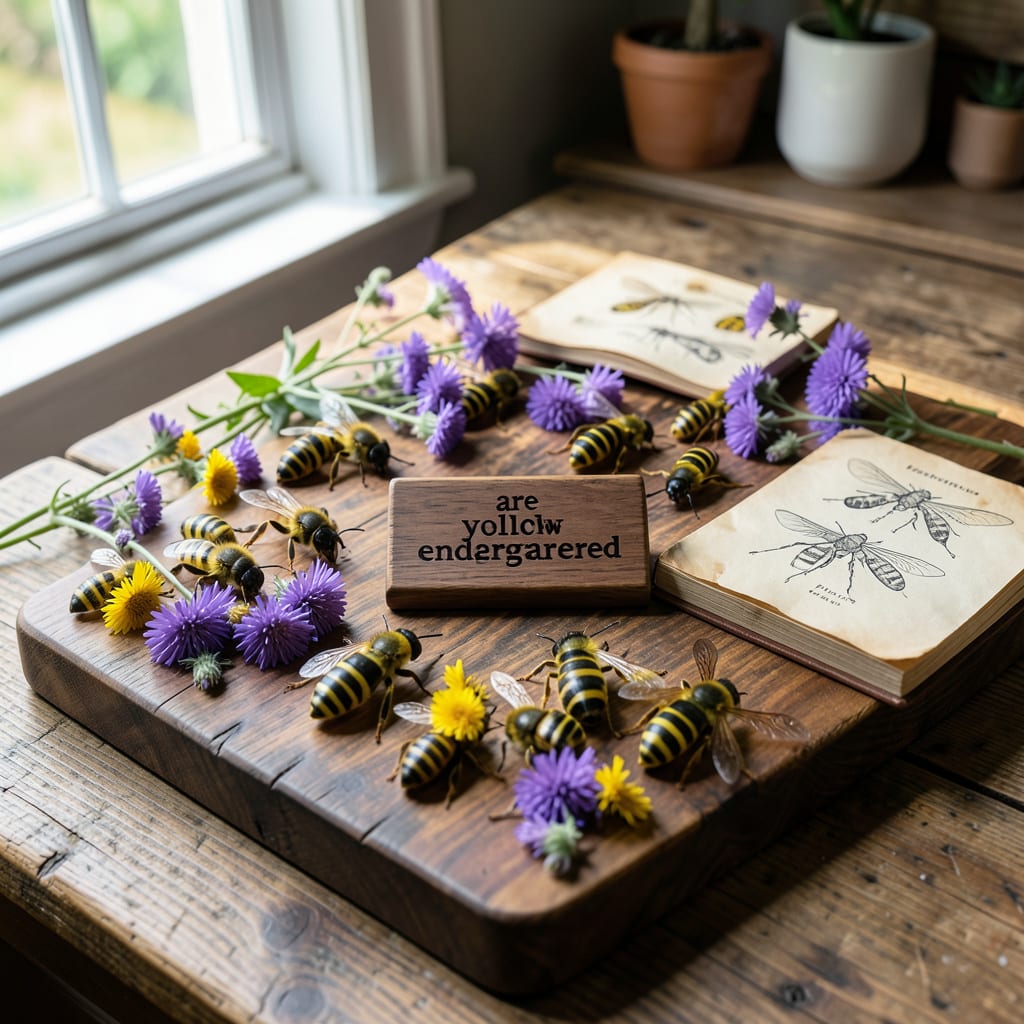
I get asked this every summer when yellow jackets show up at picnics and garden parties. No, they’re not endangered—far from it. These striped insects are thriving across North America, with populations that actually benefit from human activity.
In the garden, they’re both pest and pollinator. While they can damage fruit and disturb outdoor meals, they also hunt caterpillars and other pests that harm your plants. Their role in the ecosystem is more complex than their reputation suggests.
What they are is aggressive when threatened. A nest near your home or garden can become a real nuisance, especially in late summer when colonies peak. That’s when you’ll need a safe removal strategy.
The key is balance—appreciating their ecological role while protecting your space. Here’s what you need to know to coexist with these uninvited guests.
Yellow jacket populations face pressure from several key factors, though they are not currently endangered. Here’s why their numbers may dwindle in certain areas:
Harsh weather—like prolonged droughts or unseasonably cold snaps—can decimate colonies. Yellow jackets thrive in moderate climates, and extreme temperature swings disrupt nesting cycles, reducing survival rates for larvae and queens.
Urban expansion and agriculture shrink natural nesting sites. These wasps prefer underground burrows or wooded areas, but deforestation and pavement eliminate these habitats, forcing colonies to relocate or collapse.
Widespread pesticide use targets pests but also harms yellow jackets. Neonicotinoids and other chemicals weaken their immune systems, reduce foraging efficiency, and can kill entire colonies if nests are directly treated.
Fungal infections like Beauveria bassiana and parasitic flies (e.g., Sphecophaga spp.) specifically target yellow jackets. Outbreaks in dense colonies can spread rapidly, leading to localized population crashes.
Natural predators—bears, raccoons, and birds—raid nests for larvae and adults. While this is part of the ecosystem, human-altered landscapes can unbalance predator-prey dynamics, increasing vulnerability.
While yellow jackets aren’t currently endangered, their populations can decline due to habitat loss, pesticide use, and climate change. Here’s how to help stabilize their numbers and support their role in the ecosystem.
Yellow jackets thrive in undisturbed areas with access to food and nesting sites. Plant native flowers and avoid over-mowing lawns to provide foraging opportunities. Leave patches of bare soil or dead wood for nesting. If you’re managing a garden, reduce chemical pesticides and opt for organic pest control methods to protect these pollinators.
Pesticides are a major threat to yellow jackets and other beneficial insects. Switch to natural alternatives like neem oil or insecticidal soaps, and only apply treatments at night when yellow jackets are less active. If you must use chemicals, choose targeted products that minimize harm to non-pest species.
A diverse ecosystem helps yellow jackets and other insects survive. Create a pollinator-friendly space by planting a variety of flowers that bloom at different times of the year. Include water sources like shallow dishes with pebbles to give them a safe place to drink. Avoid monoculture lawns—they offer little food or shelter for insects.
💡 Pro Tip: If you encounter a yellow jacket nest, do not disturb it unless it poses a direct threat. These insects are aggressive when provoked, but they play a crucial role in controlling pest populations and pollinating plants. Call a professional for safe removal if necessary.
They’re not endangered or even threatened. In fact, most species are abundant and widespread, especially in North America where they thrive in human-altered environments.
Both. They pollinate plants but also prey on other insects. Their aggressive nature helps control pest populations like caterpillars that damage crops.
Human activity provides ideal conditions: food scraps, sugary drinks, and undisturbed nesting sites. Our garbage and outdoor spaces create perfect habitats for colony growth.
Only if located near high-traffic areas or if someone has allergies. Otherwise, they’re best left alone—they rarely sting unless provoked and serve important ecological roles.
