
Beautiful Plants For Your Interior
Beautiful Plants For Your Interior
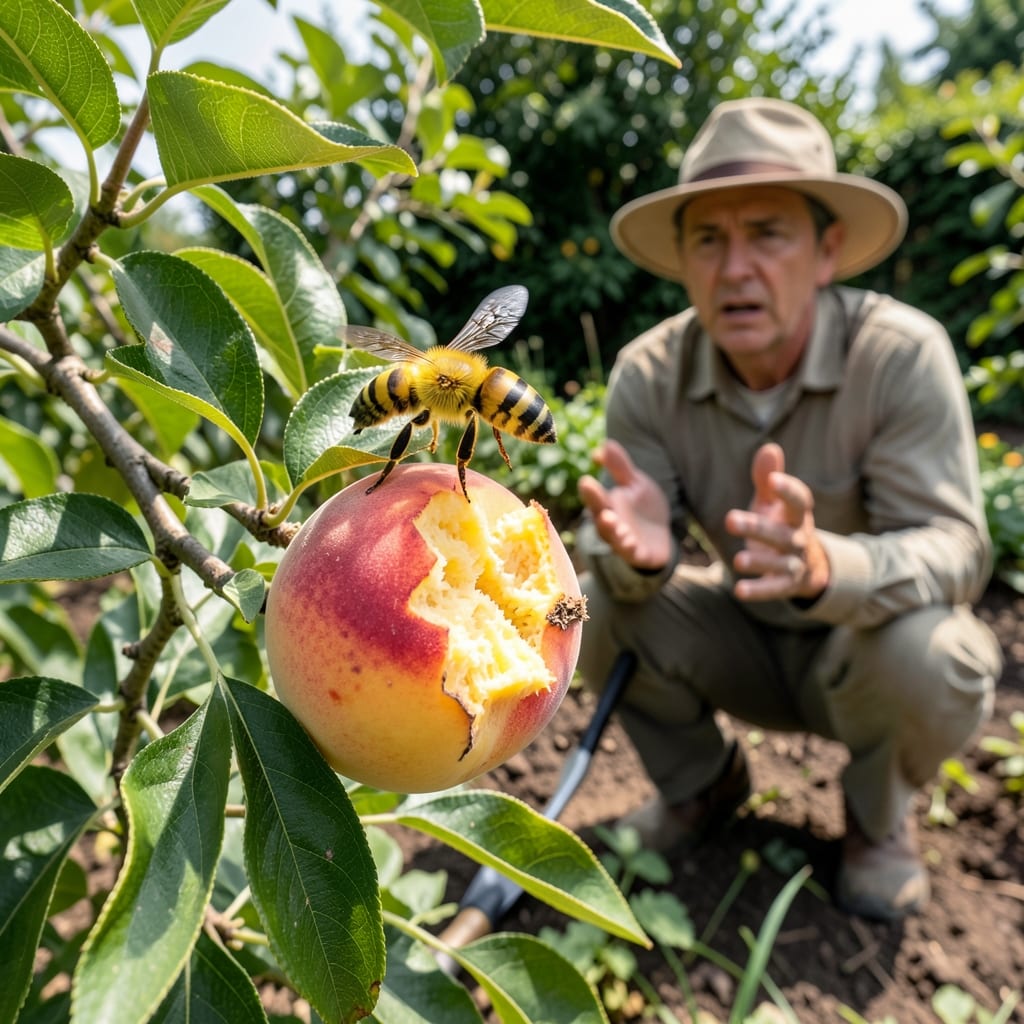
Yellow jackets can be beneficial by controlling pests but are aggressive and deliver painful stings, posing risks to humans, pets, and garden activities.
I see them as nature’s pest control agents—they hunt flies, caterpillars, and other garden nuisances with remarkable efficiency. Yet, their territorial nature and ability to sting multiple times set them apart from docile bees. 🔥 This duality means they can protect your plants one moment and disrupt outdoor activities the next, making careful coexistence essential.
💡 In This Article
Unlike honeybees that die after one sting, yellow jackets have smooth stingers that allow them to attack repeatedly. Their venom contains acetylcholine, which intensifies pain, and hyaluronidase, an enzyme that helps the venom spread faster through tissue.
This combination makes their stings not only more painful but also more medically concerning than many other stinging insects. 🔥
A single nest can house 1,000-4,000 workers at its peak, and these insects are fiercely protective of their homes. They’ll attack in swarms if they perceive a threat, with each wasp capable of delivering 5-10 stings in rapid succession.
The venom’s potency increases with each sting due to sensitization, meaning subsequent stings hurt more and may trigger stronger allergic reactions.
About 0.5-1% of the population experiences severe allergic reactions (anaphylaxis) to yellow jacket venom. Even without allergies, multiple stings can cause nausea, dizziness, and in rare cases, organ damage. Their aggression peaks in late summer and fall when food becomes scarce, making them more likely to sting without provocation during this period. ⚡
These wasps are particularly drawn to sweet substances and proteins, which is why they’re often found buzzing around picnic foods, sodas, and even pet food. Their scavenging behavior brings them into close contact with humans more frequently than other wasp species, increasing the likelihood of painful encounters.
What sets yellow jackets apart from paper wasps is their ground-nesting habit. They often build nests in abandoned rodent burrows, tree stumps, or dense shrubbery, making them harder to spot until it’s too late. This hidden nature means people or pets can accidentally disturb a nest, triggering a mass attack. ✨
Yes, they’re excellent pest controllers, hunting caterpillars, flies, and other insects that damage plants. This natural predation can reduce the need for chemical pesticides in your garden.
Their venom contains acetylcholine, which intensifies pain, and hyaluronidase, which spreads the venom faster. They can also sting repeatedly, unlike bees, making encounters more dangerous.
Cover food and drinks outdoors, clean up spills, and secure garbage. Avoid wearing bright colors or strong scents, which can draw them closer.
Stay at least 20 feet away and do not disturb it. Call a professional pest control service to safely remove it, especially if the nest is large.