
Beautiful Plants For Your Interior
Beautiful Plants For Your Interior
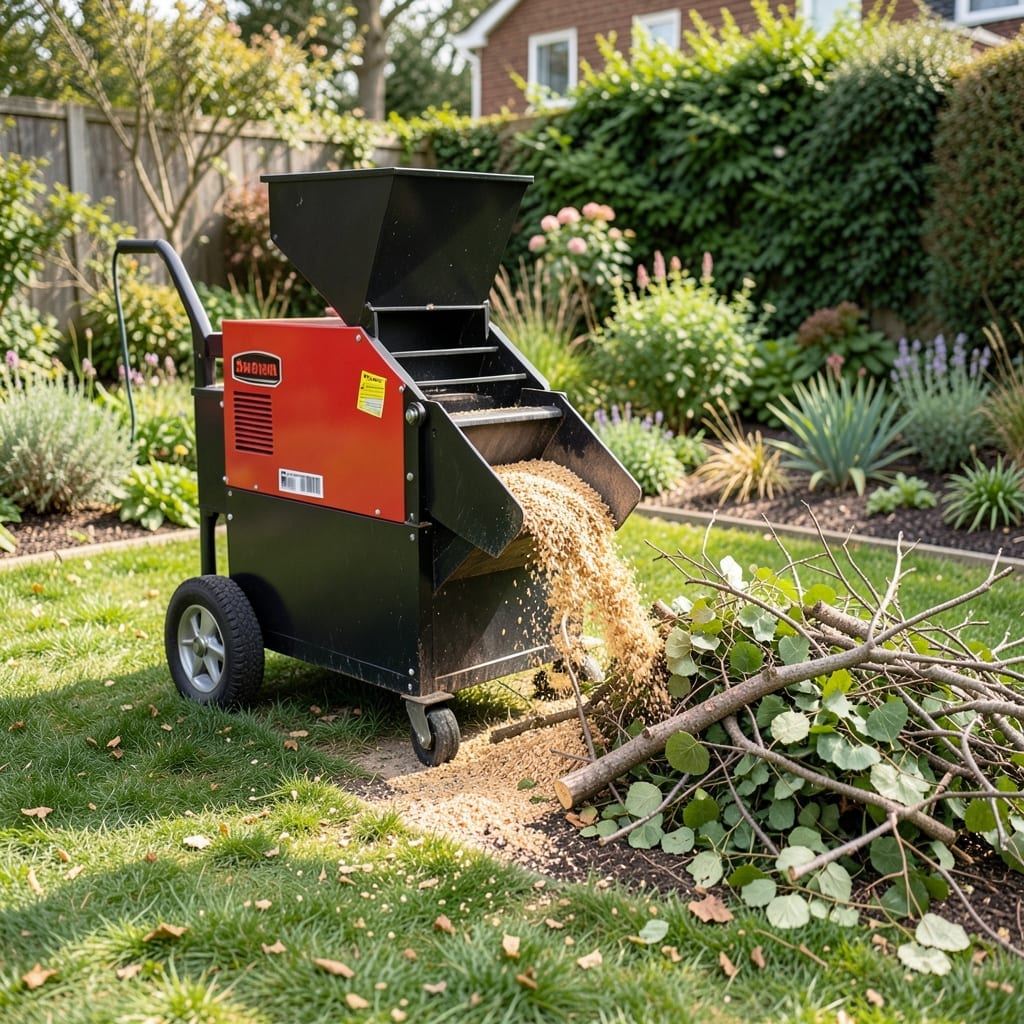
Wood chippers are worth it for frequent yard work, reducing branches and leaves into mulch for gardens, but may not justify the cost for occasional light use.
I’ve found that homeowners with large properties or regular landscaping needs see the biggest payoff, as they can turn yard waste into free nutrient-rich mulch for flower beds and gardens. For occasional users, renting or borrowing might be more practical, since quality models start around $200 and require maintenance. The real value comes from reducing landfill waste and cutting down on bagged mulch purchases over time. 🔥
💡 In This Article
The upfront cost of a quality wood chipper ($500-$2,500) can seem steep, but consider the long-term savings. Municipal yard waste disposal fees typically run $20-$50 per pickup, and with 12-20 pickups annually for active gardeners, that’s $240-$1,000 spent just on hauling away branches and leaves. 🌟
A chipper turns that waste into valuable mulch on-site. A single 10-inch diameter tree branch can produce 5-8 cubic feet of mulch—enough to cover 50-80 square feet of garden beds at 3-4 inches deep. Store-bought mulch costs $3-$6 per cubic foot, so producing your own pays for the machine quickly.
There’s also the time factor. Driving to a disposal site, waiting in line, and unloading takes 2-3 hours per trip. With a chipper, you process materials in your driveway in 30-60 minutes while creating a resource you’d otherwise purchase. This efficiency is a game-changer for maintaining large properties.
For serious gardeners, the numbers add up fast. One season of heavy pruning can generate 20-30 cubic yards of waste. Chipping that yourself saves $600-$1,800 in disposal fees alone, plus the $300-$600 you’d spend on equivalent mulch. The machine essentially pays for itself within 1-2 years of regular use. ✨
The environmental impact is another hidden benefit. Transporting yard waste to landfills contributes to emissions, while home chipping keeps carbon sequestered in your soil. Plus, fresh wood chips improve soil structure and moisture retention better than many commercial products.
If you process yard waste 2-3 times monthly, the savings on disposal fees and mulch purchases typically offset the investment within 1-2 years. Occasional users may find renting more cost-effective.
Regular blade sharpening and belt inspections are essential. Gas models need oil changes every 25-50 hours of use. Always clean the chute after each use to prevent jams and rust.
Most chippers handle green wood, but wet material can clog the machine. For best results, let branches dry for 24-48 hours or mix with dry wood. Avoid palms or vines—they can damage blades.
Feed chute kickback is the top hazard. Never wear loose clothing and always use the pusher tool—never your hands. Keep bystanders at least 15 feet away during operation.