
Beautiful Plants For Your Interior
Beautiful Plants For Your Interior
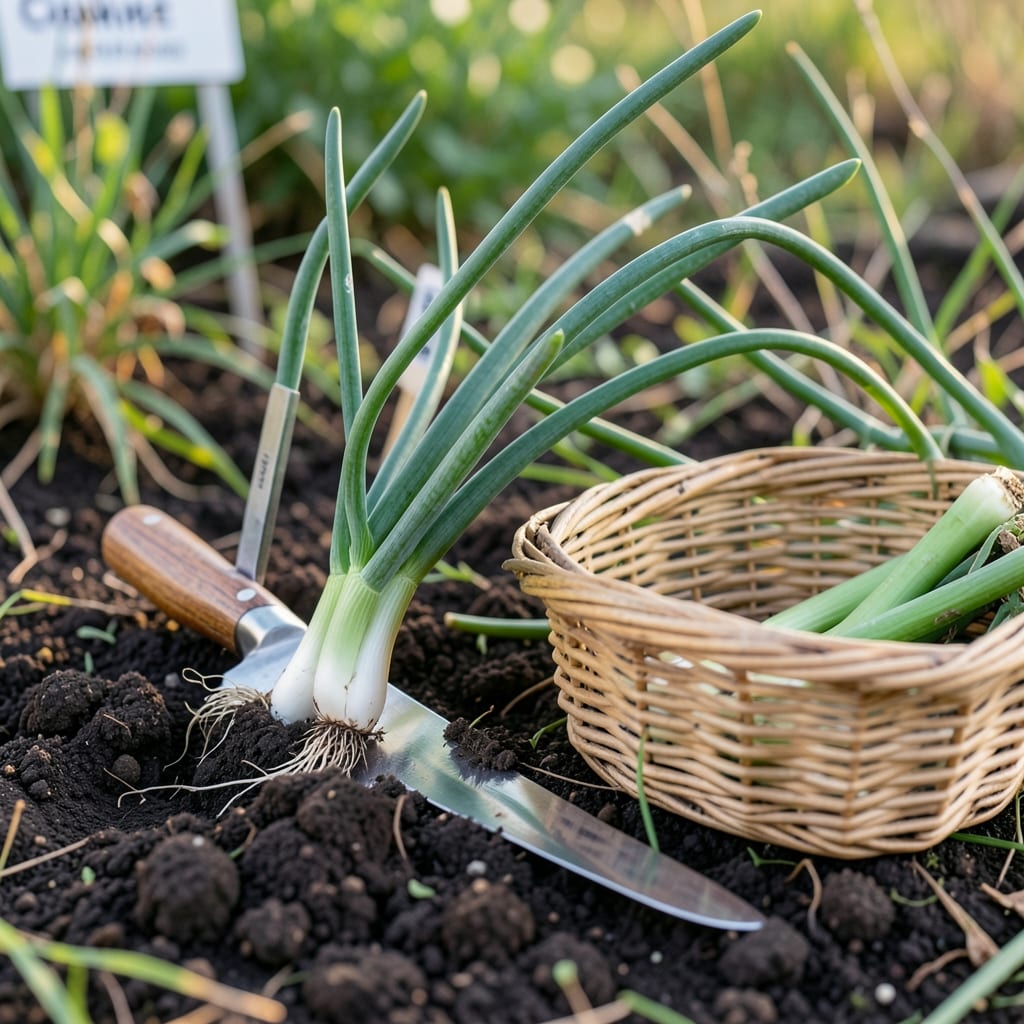
Wild green onions are edible if confirmed as true Allium species, but deadly look-alikes like crow poison and death camas grow in similar habitats. Never consume without 100% identification.
I take foraging safety seriously, and the scent test is my first line of defense. True Alliums smell distinctly like onions or garlic when crushed, while toxic mimics often have no smell or a soapy aroma. Even then, I double-check the hollow leaves and bulb structure before considering a taste. 🔥
Many tragic cases occur because people assume all wild plants with onion-like leaves are safe.
💡 In This Article
The most reliable method is the scent test. Crush a leaf between your fingers—true wild onions will release a pungent, unmistakable onion or garlic aroma. Toxic mimics like crow poison (Nothoscordum bivalve) and death camas (Zigadenus species) either have no scent or smell soapy, grassy, or bitter.
This olfactory difference comes from sulfur compounds unique to the Allium family. 🔥
Examine the leaves closely. Edible wild onions have hollow, cylindrical leaves that are round in cross-section. Dangerous look-alikes often have solid, flat, or V-shaped leaves. The bulb is another critical clue: true Alliums form a papery, onion-like bulb, while crow poison produces a solid bulb with a dark, fibrous coating. 🌟
Growth pattern matters too. Wild onions typically grow in clusters from a single base, with multiple shoots emerging from one root system. Death camas, however, often grows as single stems from separate bulbs. The height can also help—wild onions usually reach 12-24 inches, while death camas can grow taller with more grass-like foliage. ✨
For absolute certainty, dig up the entire plant. True wild onions will have that classic onion smell throughout the bulb, stem, and leaves. If any part lacks the onion aroma, discard the entire plant.
When in doubt, consult a local foraging expert or use a field guide with clear photographs of both edible and toxic species. 💫
Remember that some toxic plants can cause severe reactions even in small amounts. Death camas contains alkaloids that can be fatal if ingested, while crow poison may cause nausea, vomiting, and diarrhea. The risks simply aren’t worth it without 100% positive identification. Always err on the side of caution when foraging wild plants. ⚡
Crush a leaf or bulb between your fingers. True wild onions will smell strongly of onion or garlic. If there’s no scent or it smells soapy, discard it immediately. This scent test is the most reliable first check.
Look in moist, shady areas like forest edges or creek banks. Avoid roadside patches due to potential chemical contamination. Early spring is ideal for young, tender plants.
Store unwashed in a perforated plastic bag in the fridge for up to 1 week. For longer storage, chop and freeze in airtight containers for up to 6 months.
Crow poison and death camas are the deadliest. Both lack the onion scent and have solid or flat leaves. Death camas can be fatal if ingested, so never eat without 100% identification.