
Beautiful Plants For Your Interior
Beautiful Plants For Your Interior
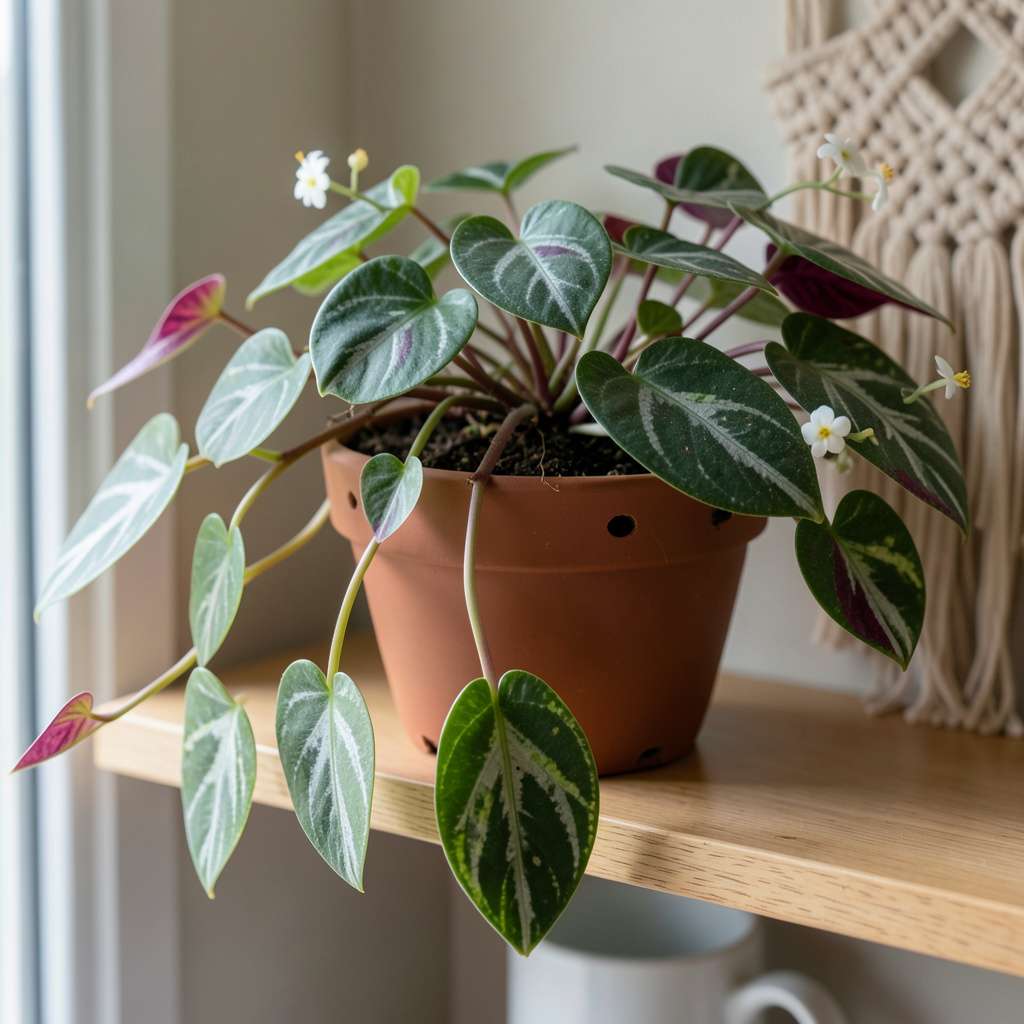
Yes, wandering jew plants (Tradescantia species) are toxic to cats due to compounds that irritate the mouth, skin, and digestive tract. Symptoms include drooling, vomiting, and skin irritation if ingested or touched.
I’ve seen firsthand how these vibrant plants can pose serious risks to curious felines. The sap contains microscopic needle-like crystals called calcium oxalates that physically damage tissues on contact. 🐾 What makes this particularly dangerous is that cats often groom their paws after touching the plant, spreading the irritants to their mouth and eyes. Even small exposures can lead to noticeable discomfort, which is why I always recommend keeping these plants well out of reach in homes with pets.
💡 In This Article
The danger in wandering jew plants comes from two primary compounds: calcium oxalate crystals and saponins. These microscopic needle-shaped crystals act like tiny glass shards when they come into contact with your cat’s mouth, throat, or skin. The crystals physically puncture cells, releasing inflammatory chemicals that trigger immediate pain and swelling.
This is why you’ll often see cats pawing at their mouths or drooling excessively after exposure.
The saponins compound the problem by disrupting cell membranes in the digestive tract. These soap-like molecules create foam when mixed with saliva, which can lead to vomiting and diarrhea. What’s particularly concerning is that these compounds are concentrated in the plant’s sap—just breaking a stem releases enough irritants to cause problems.
The leaves contain about 3-5% oxalates by weight, while the stems can have up to 8% in some varieties. ✨
Here’s what happens at the cellular level: When your cat bites into the plant, the calcium oxalate crystals embed in the mucosal lining of the mouth and throat. This triggers an immune response where mast cells release histamine, causing swelling and itching.
The saponins then interfere with the normal function of cell membranes, leading to leakage of cellular contents. This double assault explains why symptoms can appear within 5-10 minutes of exposure.
The plant’s defenses don’t stop there. Wandering jew also contains proanthocyanidins, which are tannin-like compounds that can bind to proteins in your cat’s mouth, creating that unpleasant astringent feeling. This is why cats often stop eating after the first bite—their bodies are trying to protect them from further damage.
The combination of these compounds makes wandering jew particularly hazardous compared to other common houseplants.
What many pet owners don’t realize is that the toxicity isn’t limited to ingestion. Simply brushing against the plant can transfer enough sap to cause skin irritation. The crystals can remain active even after the plant is cut, which is why I always recommend wearing gloves when handling wandering jew and washing hands thoroughly afterward.
The irritants can persist on surfaces for 24-48 hours, making cleanup crucial in homes with cats. 💫
The severity of reaction depends on several factors:
I’ve seen cases where cats developed temporary hoarseness from the throat swelling, which typically resolves within 12-24 hours with proper care. The good news is that while extremely uncomfortable, wandering jew toxicity is rarely fatal if treated promptly.
However, repeated exposures can lead to more severe reactions over time as the cat’s immune system becomes sensitized to the plant’s compounds. 🌟
Most cats show signs within 5-10 minutes of contact. The calcium oxalate crystals cause immediate irritation, while saponins may take slightly longer to trigger vomiting. Severe reactions typically develop within 30-60 minutes if a significant amount was ingested.
Single exposures rarely cause lasting problems, but repeated contact can sensitize your cat’s immune system. Chronic exposure might lead to oral ulcers or digestive tract inflammation. Most symptoms resolve completely within 24-48 hours with proper care.
Purple heart (Tradescantia pallida) contains higher oxalate levels than green varieties. The toxicity varies slightly between species, but all wandering jew plants should be considered dangerous. The purple varieties tend to cause more severe skin reactions due to their concentrated sap.
Wear gloves and long sleeves when handling. Double-bag all plant material and dispose in outdoor trash. Wash any tools or surfaces that contacted the plant with soapy water. Even dried leaves remain toxic for weeks, so thorough cleanup is essential.
Some cats learn after one unpleasant experience, but others remain curious. Bitter apple spray can help deter them, though you’ll need to reapply weekly. Physical barriers like hanging planters or closed doors are more reliable for persistent explorers.
