
Beautiful Plants For Your Interior
Beautiful Plants For Your Interior
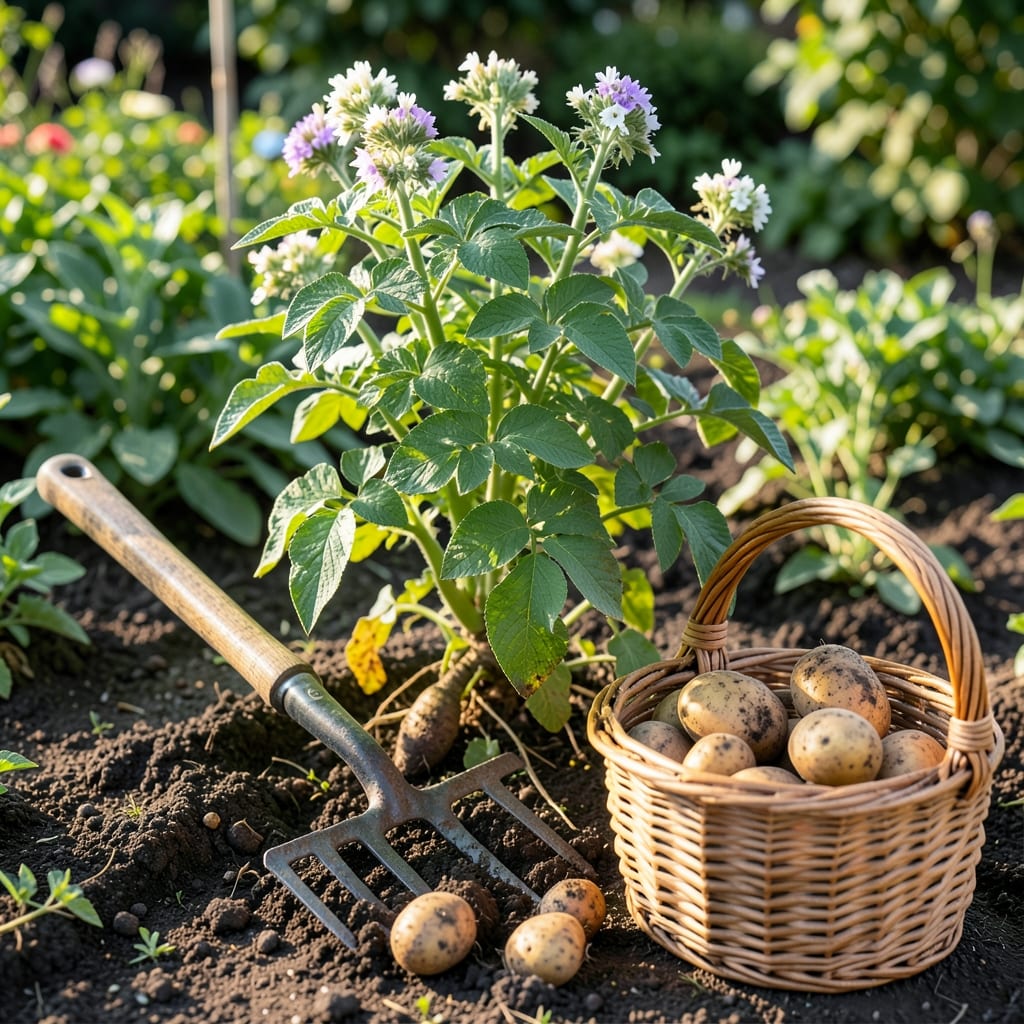
Botanically, tubers are plant storage organs like potatoes and yams, not true vegetables, though they are often categorized as such in culinary contexts for their edible uses.
I find this distinction fascinating because it highlights how we classify foods differently in the kitchen versus the garden. Tubers grow underground as thickened stems storing nutrients for the plant, while true vegetables can be leaves, roots, or even flowers. This is why we often see potatoes grouped with carrots in recipes despite their different botanical roles. 🌟
💡 In This Article
In botany, tubers are specialized underground stems that store energy for the plant. They develop from stem tissue, not root tissue like true roots such as carrots or beets. This distinction means tubers have nodes or “eyes” where new stems can sprout, a trait you can see clearly on a potato or jerusalem artichoke. 🔥
True vegetables, by contrast, encompass a broader category of edible plant parts. This includes leaves (spinach), stems (celery), flowers (broccoli), and even fruits used as vegetables like tomatoes. Vegetables don’t share the storage function that defines tubers, which exist specifically to power the plant during dormancy or regrowth.
Taxonomically, tubers belong to different plant families depending on the species. Potatoes are part of the Solanaceae (nightshade) family, while yams belong to Dioscoreaceae. This explains their different growth habits: potatoes form at the end of underground stems called stolons, while yams grow from actual root tissue that expands into a tuber-like structure.
The energy storage in tubers primarily comes from starch, with concentrations typically ranging from 15-25% by weight in potatoes. This high starch content gives tubers their characteristic mealy or waxy texture when cooked. In contrast, most vegetables have lower starch content and higher water content, usually above 85%. ✨
This botanical classification affects how tubers grow and reproduce. A single tuber can produce an entire new plant because it contains all the necessary nutrients and growth points.
This is why you can cut a potato with at least one “eye” and grow a new plant, whereas you can’t propagate a new carrot plant from just a carrot.
Culinarily, we group tubers with vegetables because of their similar uses in cooking. However, this practical classification doesn’t change their botanical identity. The USDA even categorizes potatoes as vegetables in dietary guidelines, despite their scientific classification as tubers. This dual classification system serves different purposes: one for cooking, one for plant science. 💫
Tubers are thickened underground stems that store nutrients, while true roots like carrots grow directly from the plant’s root system. Tubers have “eyes” or nodes that can sprout new plants.
This is why you can grow a new plant from a potato piece with an eye.
Culinarily, tubers like potatoes are grouped with vegetables because of their similar uses in cooking. This practical classification helps with meal planning and recipe organization.
It doesn’t change their botanical identity as storage stems.
Most tubers should be cooked first. Raw potatoes contain solanine, which can be toxic in large amounts. Sweet potatoes and yams may be eaten raw in small quantities but are harder to digest.
Cooking makes them safer and more digestible.
Keep them in a cool, dark, and dry place with good airflow. Avoid refrigerating potatoes as cold turns starch into sugar, affecting taste and texture.
Sweet potatoes prefer slightly warmer storage around 55-60°F.