
Beautiful Plants For Your Interior
Beautiful Plants For Your Interior
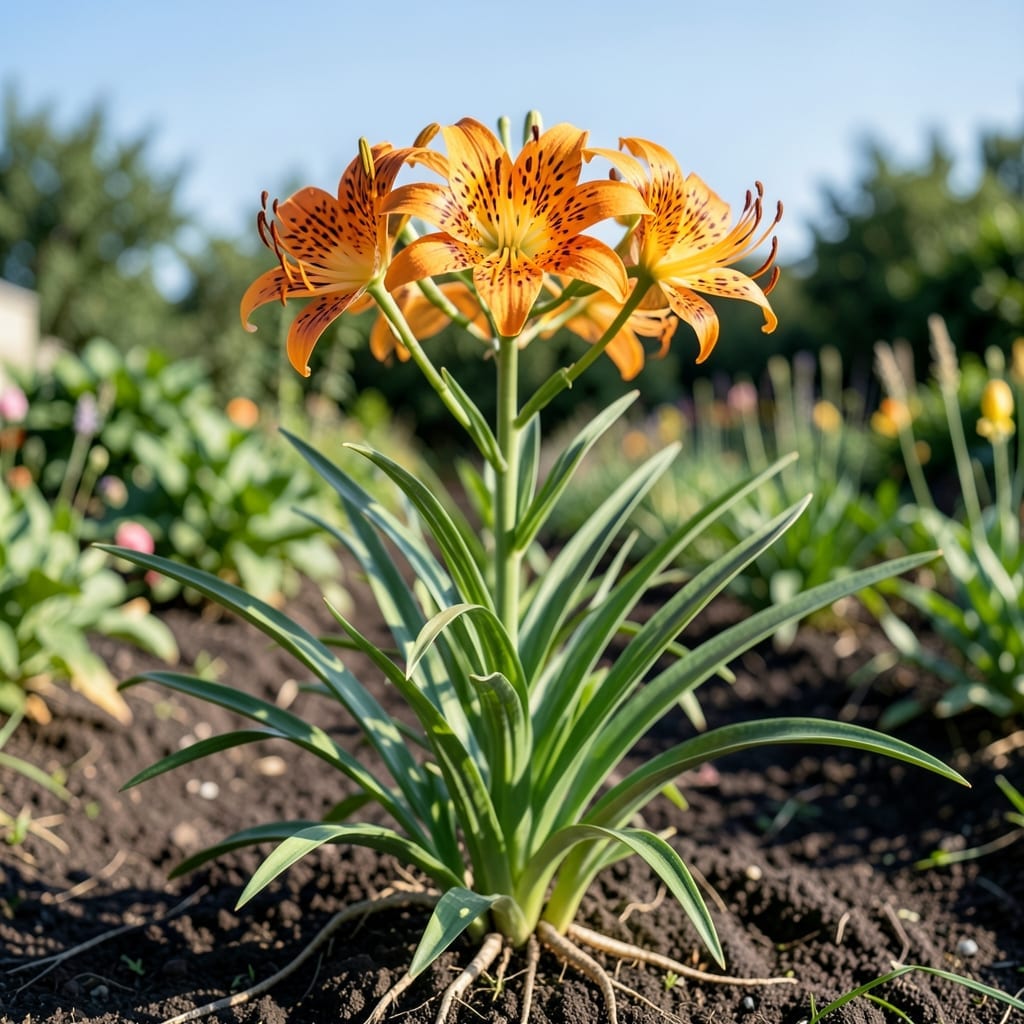
Tiger lilies can spread aggressively through bulb offsets and self-seeding, often outcompeting other plants in garden beds, but they are not classified as invasive in most regions.
I’ve seen these plants take over entire borders when left unchecked, thanks to their prolific bulb division and wind-dispersed seeds. 🔥 What makes them tricky is their ability to thrive in a variety of soils, but they rarely disrupt native ecosystems like true invasives do.
In my experience, their vigor is more about garden management than ecological harm.
💡 In This Article
These plants multiply through bulb offsets, producing 5-10 new bulbs annually from each mature one. The offsets form on underground stems called stolons, creating dense clusters that can crowd out neighboring plants within 2-3 growing seasons. 🔥
Self-seeding adds another layer of expansion. Each flower produces a seed pod containing 100-200 seeds that disperse via wind or water. Unlike some invasive species, tiger lily seeds have a relatively low germination rate of about 30-40%, which limits their spread compared to more aggressive plants.
The growth pattern follows distinct seasonal triggers. Bulb division occurs in late summer as the plant prepares for dormancy, while seeds typically germinate in spring when soil temperatures reach 55-60°F. This dual reproduction method ensures survival even if one pathway is disrupted.
Environmental conditions accelerate the process. In moist, well-drained soil with full sun, a single tiger lily can expand to a 3-foot diameter clump in just 3 years. The bulbs store energy efficiently, allowing rapid regrowth after winter dieback. ✨
What makes this different from true invasive species is the lack of ecosystem disruption. While they may dominate garden spaces, tiger lilies don’t typically outcompete native plants in wild settings or alter soil chemistry like some non-native invaders do.
A single bulb can produce 5-10 offsets annually, and in ideal conditions, a clump may reach 3 feet wide in just 3 years.
They can dominate nearby plants through bulb spread and self-seeding, but won’t disrupt ecosystems like true invasives. Regular thinning prevents overgrowth.
Install 6-inch-deep barriers or plant in sunk pots. Deadheading prevents seed dispersal, while annual thinning controls bulb multiplication.
They thrive in moist, well-drained soil with full sun. These conditions accelerate bulb division and seed germination, leading to faster expansion.
Only with sturdy companions. Avoid delicate perennials they might overwhelm. Raised beds or contained areas work best for mixed plantings.