
Beautiful Plants For Your Interior
Beautiful Plants For Your Interior
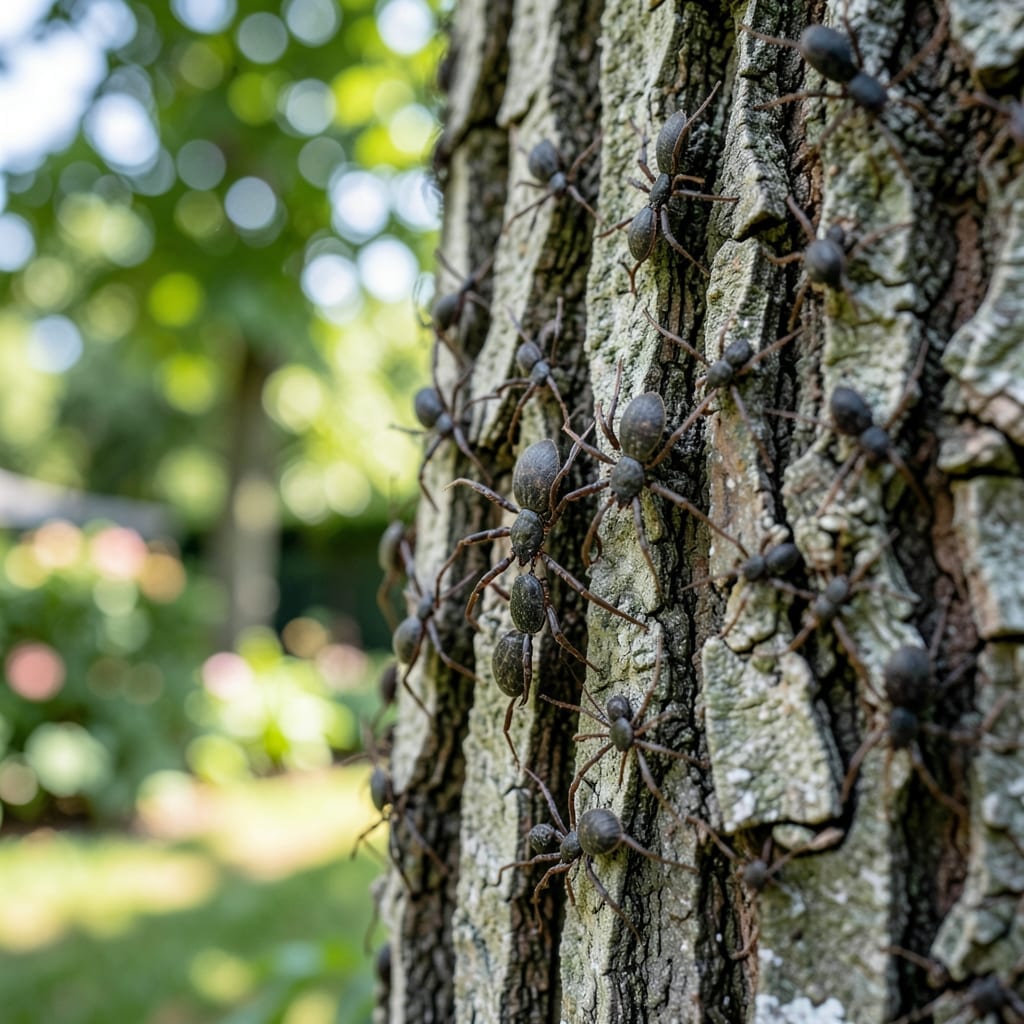
Ticks rarely live in trees but may climb low branches or tall grass to latch onto passing hosts. They prefer leaf litter, shrubs, and ground-level vegetation in wooded or grassy areas.
I’ve learned ticks rely on a behavior called questing, where they perch on low vegetation and wait for hosts. 🔥 This explains why they’re more common in brushy areas than high in trees. Their survival depends on moisture and shade, which ground-level environments provide far better than exposed branches.
💡 In This Article
Ticks thrive in humid, shaded environments where they can avoid desiccation. Leaf litter, tall grass, and shrubs provide the ideal microclimate with 85-95% humidity and temperatures between 40-90°F, which are critical for their survival. These areas also offer abundant hosts like small mammals and birds.
Their upward movement is driven by a behavior called questing. Ticks climb to the tips of low vegetation (1-3 feet high) and extend their front legs, waiting to latch onto passing hosts. This strategy maximizes their chances of finding a meal without expending much energy. 🔥
Trees, however, are poor habitats for ticks due to exposure to wind and sun, which dry them out quickly. While some species like the lone star tick may occasionally climb higher, they rarely establish permanent residence above 4-5 feet. Their bodies lose moisture rapidly in such exposed conditions.
Most tick species, including deer ticks and dog ticks, prefer ground-level zones. They burrow into soil or leaf debris during dry periods, emerging only when humidity rises. This ground-focused lifestyle explains why they’re rarely found in tree canopies but abundant in forest undergrowth.
What’s fascinating is their ability to detect hosts through vibrations, body heat, and carbon dioxide. This sensory adaptation is finely tuned for ground-level hunting, where hosts are most likely to pass within reach. Trees simply don’t provide the same advantages for their survival strategy. ✨
Ticks typically climb 1-3 feet up low vegetation like grass or shrubs. While some species may reach 4-5 feet in ideal conditions, they rarely go higher due to moisture loss.
Trees expose ticks to wind and sun, causing rapid dehydration. They need 85-95% humidity and shade to survive, which ground-level areas provide better.
It’s extremely unlikely. Ticks don’t jump, fly, or drop from heights. They attach when hosts brush against low vegetation where they’re questing.
Look in leaf litter, tall grass, and shrub edges. They avoid open lawns and prefer moist, shaded spots near wooded areas.