
Beautiful Plants For Your Interior
Beautiful Plants For Your Interior
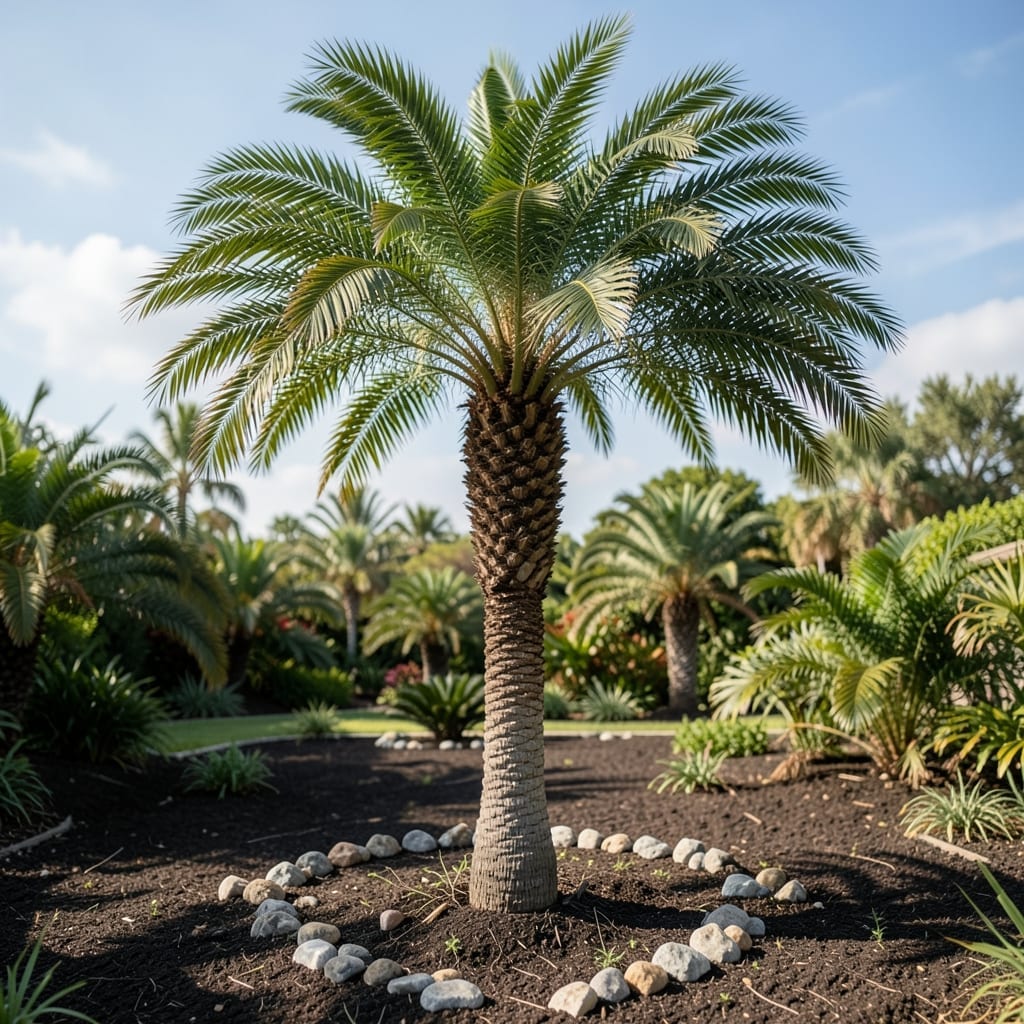
No, palm trees cannot naturally grow in Ohio due to its cold winters. Only cold-hardy varieties like the needle palm might survive in protected microclimates with heavy mulching.
Ohio’s USDA zones 5-6 bring harsh winters that most palms can’t endure, as they need consistent warmth above 10°F to thrive. I’ve seen even hardy varieties struggle without heavy winter insulation. 🌟
For that tropical look, gardeners often choose yucca or hardy banana plants, which handle Ohio’s climate far better than true palms.
💡 In This Article
Ohio sits in USDA hardiness zones 5-6, where winter temperatures frequently drop below 0°F. Most palm species require minimum temperatures above 10-15°F to survive, making Ohio’s climate fundamentally incompatible. The cellular structure of palm fronds can’t withstand freezing, causing irreversible damage to their vascular systems. 🔥
Even the hardiest palms like needle palm (Rhapidophyllum hystrix) need protection. In Ohio, they’d require heavy mulching with at least 6-12 inches of organic material, plus burlap wraps around trunks. Without this, the crown often freezes solid, killing the tree from the top down.
The growing season is another hurdle. Palms need 200+ frost-free days annually to establish roots, but Ohio averages only 150-180 days. This stunts growth and prevents new shoots from maturing before winter. The state’s humid continental climate also brings temperature swings that stress tropical plants.
Soil conditions compound the problem. Ohio’s clay-heavy soils drain poorly in winter, increasing root rot risk for palms that already struggle with cold. The lack of consistent warmth means palms can’t photosynthesize efficiently, leading to weak, stunted growth even if they survive winter. ⚡
Microclimates near Lake Erie offer slightly better odds, with temperatures averaging 5°F warmer than inland areas. But even here, only the most cold-tolerant palms with extensive protection might persist for a few years before succumbing to an inevitable harsh winter.
Most palms die below 10-15°F, though hardy types like needle palm may tolerate -5°F with protection. Even these need heavy mulch and trunk wrapping to survive Ohio winters.
Yes! Container-grown palms can be moved indoors when temperatures drop below 20°F. Choose smaller varieties like needle palm and ensure they get bright light during winter months.
Ohio’s clay-heavy soil drains poorly, causing root rot in palms that dislike wet roots. Amend with compost or use raised beds to improve drainage for any tropical plants.
No native palms exist in Ohio. The state’s cold winters prevent any palm species from growing naturally in the wild or without extensive human intervention.