
Beautiful Plants For Your Interior
Beautiful Plants For Your Interior
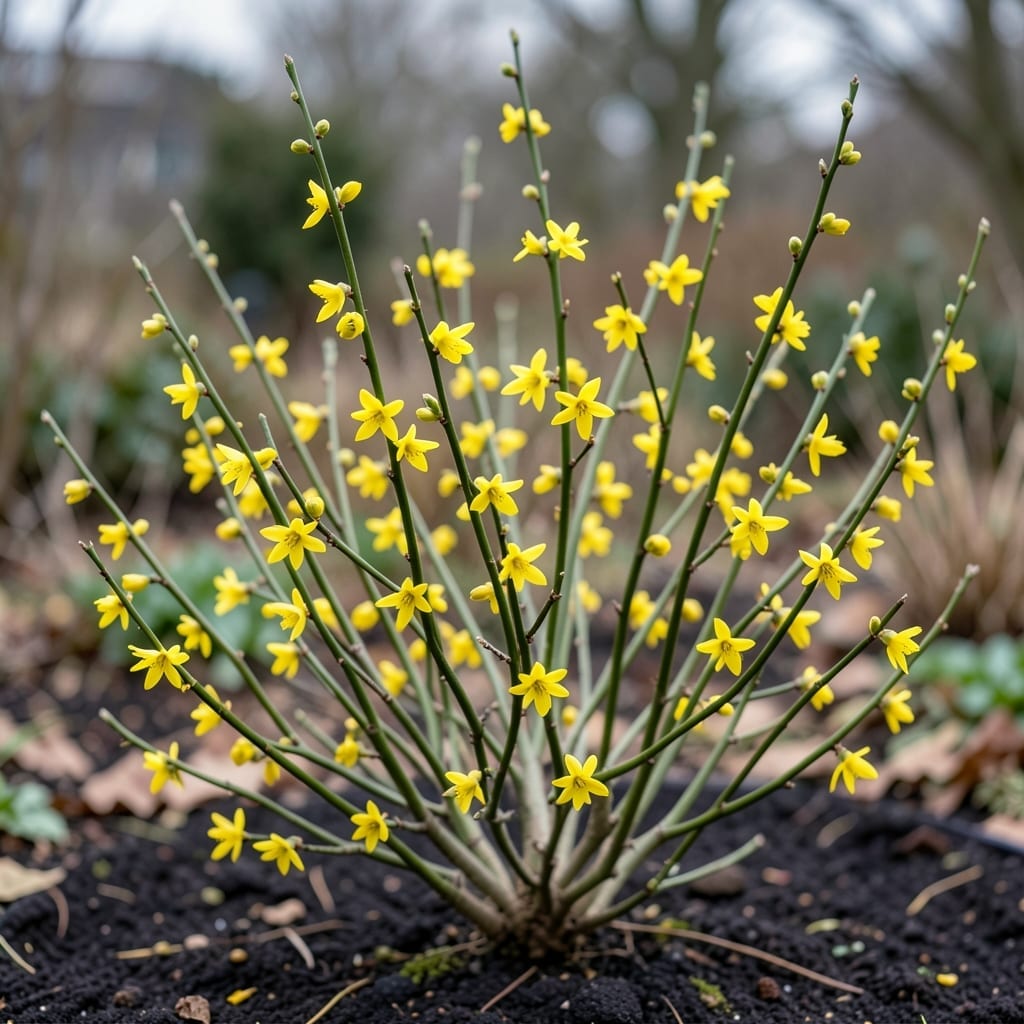
Yes, winter doesn’t have to mean a dull, colorless garden—there are stunning flowers that brave the cold to bring life to your outdoor space even in the chillest months.
I’ve discovered that Winter Jasmine 🌼 is one of the most resilient options, thriving in USDA zone 6 and blooming from December to March. It’s proof that nature doesn’t take a break when temperatures drop.
These cold-hardy varieties defy the season, offering cheerful blooms when you least expect them. Whether you’re a seasoned gardener or just starting out, there’s a winter flower perfect for your space.
Learn how to transform your garden into a winter wonderland with these hardy, beautiful plants.
I love how winter gardens can still burst with color. Even in the coldest months, hardy flowers like hellebores and snowdrops defy the frost to bring life to your landscape.
These cold-weather champions thrive in USDA zones 4-9 and often bloom when temperatures dip below freezing. Their resilience makes them perfect for adding year-round interest to your garden. 🌱
| Variety | Notes |
|---|---|
| Hellebores | Zones 4-9, blooms Dec-Mar, shade-tolerant |
| Winter Jasmine | Zones 6-10, yellow flowers, needs support |
| Snowdrops | Zones 3-8, first to bloom, moist soil |
| Camellias | Zones 7-10, evergreen shrub, partial shade |
| Winter Aconite | Zones 4-8, bright yellow, naturalizes well |
I’ve found that hellebores are among the easiest to grow. They’re deer-resistant and thrive in shady spots where other plants struggle. Their nodding flowers come in shades of white, pink, or purple. 🌷
Snowdrops are another favorite. These delicate white bell-shaped flowers often push through snow, earning their name. They prefer moist but well-drained soil and multiply over time.
For a pop of color, winter jasmine is unbeatable. Its bright yellow blooms appear on bare stems from December to March. It’s a climbing shrub that needs support but rewards with abundant flowers.
Camellias offer both flowers and foliage. These evergreen shrubs produce stunning blooms in pink, red, or white and thrive in partial shade. They’re ideal for warmer winter zones. 🌿
Don’t overlook winter aconite. This low-growing perennial spreads quickly, forming a golden carpet in late winter. It’s perfect for rock gardens or woodland settings.
When planting, I always add a 2-3 inch mulch layer to protect roots from freeze-thaw cycles. This simple step helps ensure your winter bloomers return year after year.
Remember, early spring is the best time to plant these varieties. This gives them time to establish roots before winter. With proper care, they’ll reward you with years of winter color. ✂️
I love how winter-blooming flowers can transform a dreary landscape into a vibrant display. With the right care, these cold-hardy varieties will thrive even in frost and snow. It’s all about timing and protection.
Start by planting in well-draining soil to prevent root rot during thaw cycles. A thick layer of mulch acts like a blanket, shielding roots from temperature swings. This simple step makes a huge difference.
I always water my winter flowers in the morning so the soil can absorb moisture before nighttime freezes. This prevents ice crystals from forming around the roots, which can damage the plant.
For potted winter bloomers, move them to a sheltered spot like a porch or against a south-facing wall. This protects them from harsh winds and freezing temperatures while still giving them access to sunlight.
Don’t forget to monitor for pests even in winter. Some insects, like aphids, remain active in milder climates and can stress your plants. A gentle spray of water can dislodge them without chemicals.
With these simple but effective steps, your winter garden can stay colorful and healthy all season long. A little effort goes a long way in keeping those blooms vibrant. 🌱